
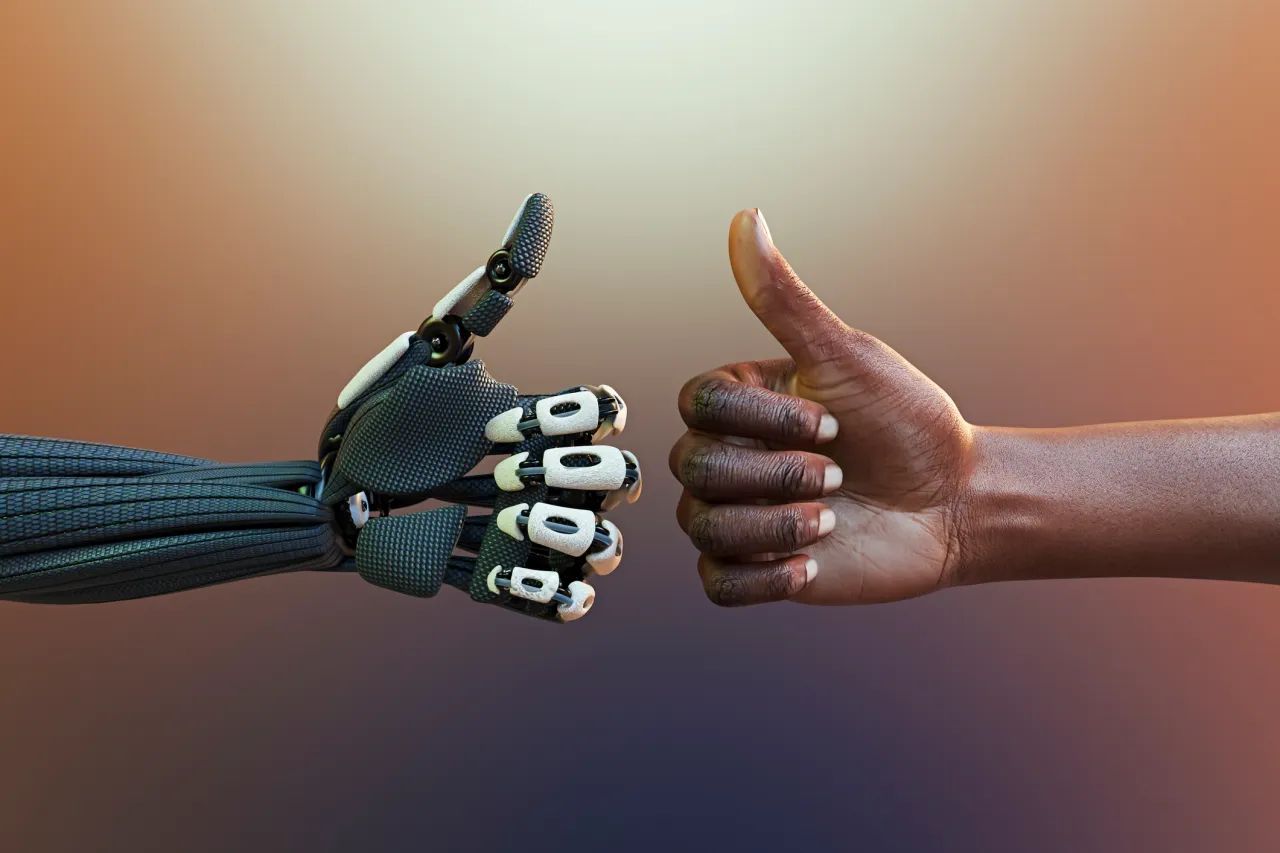
 Household robotics startup Sunday achieved unicorn status in March 2026, raising $165 million in Series B funding at a $1.15 billion valuation, led by Coatue Management. This milestone signals investor conviction that physical AI—robots operating autonomously in unstructured home environments—is transitioning from research labs to consumer markets.\n\n## Why Sunday Matters\n\nSunday’s robotics aren’t specialized industrial robots confined to factories. They’re general-purpose household robots designed to perform everyday tasks: cleaning, organizing, light repairs, and assistance for elderly residents. The challenge of building robots functioning in unstructured human environments is exponentially harder than industrial robotics.\n\nSunday has solved several critical challenges: real-time 3D mapping and navigation in dynamic indoor environments, dexterous hand systems capable of grasping diverse objects, integration with large language models enabling natural language instruction, and efficient battery systems enabling 6-8 hour operational windows.\n\n## Market Opportunity\n\nThe household robotics market is enormous. An estimated 1.5 billion households globally need assistance with cleaning, organization, and maintenance. Even capturing 5-10% of developed market households represents a $50+ billion addressable market.\n\n## Investment Rationale and Competitive Landscape\n\nCoatue’s investment reflects convictions about hardware AI inflection, supply chain normalization, consumer willingness to adopt robotics, and talent convergence among roboticists and AI researchers. Sunday competes against Tesla’s Optimus and Boston Dynamics’ Atlas, with competitive advantage likely from superior software and AI rather than hardware.\n\n## Implications and Timeline\n\nSunday’s success validates venture capital conviction in physical AI, likely attracting more capital to robotics companies globally and in India. Initial deployments are expected in affluent markets by 2027-2028, with realistic mass market adoption timelines of 5-8 years. The broader humanoid and general-purpose robotics trend suggests physical AI is transitioning from research to commercialization faster than anticipated.

Technology & Electronics
Robotics and Humanoid AI—Sunday Reaches Unicorn Status with $165M Series B



Related Articles







Leave a comment