

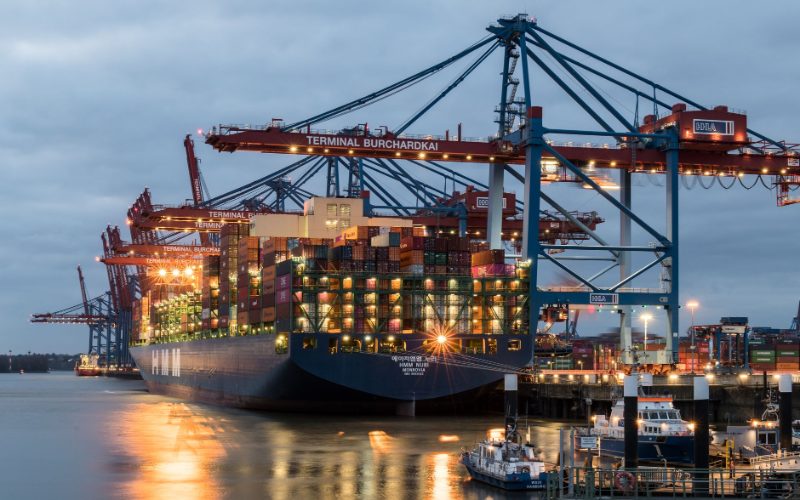
A major pillar of the current US tariff architecture, Section 122 authority, is set to expire on July 24, 2026, unless Congress acts to extend it, forcing the Trump administration to rebuild its tariff wall using Sections 301 and 232 instead. The looming Section 122 tariff expiry adds fresh uncertainty to global trade policy just as several bilateral negotiations, including with India, remain in progress.
Alongside the Section 122 deadline, the US Trade Representative has confirmed it will not renew the United States-Mexico-Canada Agreement (USMCA) in its current form, instead entering a review process that runs for up to ten years before the pact would lapse in July 2036 absent a new agreement. The administration has also opened a Section 301 investigation into Germany over pharmaceutical pricing practices.
How Does the Section 122 Tariff Expiry Change US Trade Policy?
Section 122 has been one of the legal bases the administration used to impose broad tariff measures without extended congressional review. With that authority lapsing on July 24, 2026, trade lawyers expect the administration to lean more heavily on Section 301 (unfair trade practice investigations) and Section 232 (national security tariffs) to maintain existing tariff levels on key trading partners, a shift that typically involves longer investigation timelines and narrower product scope.
What Do Trade Economists and Global Businesses Say?
Trade policy analysts tracking the tariff wall reconstruction note that reliance on Section 301 and 232 could make US tariff policy more sector-specific and litigation-prone compared to the broader Section 122 measures. Businesses with cross-border Canada and Mexico supply chains are watching closely after the administration’s earlier threats of a 35% tariff on Canada and a 30% reciprocal tariff on Mexico, both later delayed, as signals of how aggressively the new legal tools might be used.
Market and Trade Reaction
Currency and equity markets in Canada and Mexico have shown sensitivity to each tariff threat and delay cycle over the past year, with the Mexican peso and Canadian dollar both experiencing volatility around key deadline dates. Global supply chain-dependent sectors, including autos and electronics, continue to price in policy uncertainty as the USMCA review process begins.
What Happens Next?
Congress would need to act before July 24, 2026 to extend Section 122 authority; absent that, expect fresh Section 301 and 232 actions to fill the gap. The USMCA’s decade-long review clock is now running, with the first formal review checkpoint expected within the next year, while the Section 301 investigation into Germany’s pharmaceutical pricing continues separately.
Frequently Asked Questions
What happens when Section 122 tariff authority expires?
Once Section 122 authority lapses on July 24, 2026, the US administration is expected to rely on Sections 301 and 232 to maintain tariffs, both of which require sector-specific investigations rather than the broader authority Section 122 provided.
Is the USMCA being cancelled?
Not immediately. The USTR has said it will not renew USMCA in its current form and has instead entered an annual review process lasting up to ten years, with the agreement lapsing in July 2036 only if no new deal is reached.
Why did the US investigate Germany under Section 301?
The USTR opened a Section 301 investigation into Germany on June 18, 2026, to examine whether alleged underpayment for innovative pharmaceutical products is unreasonable or restricts US commerce.






Leave a comment