

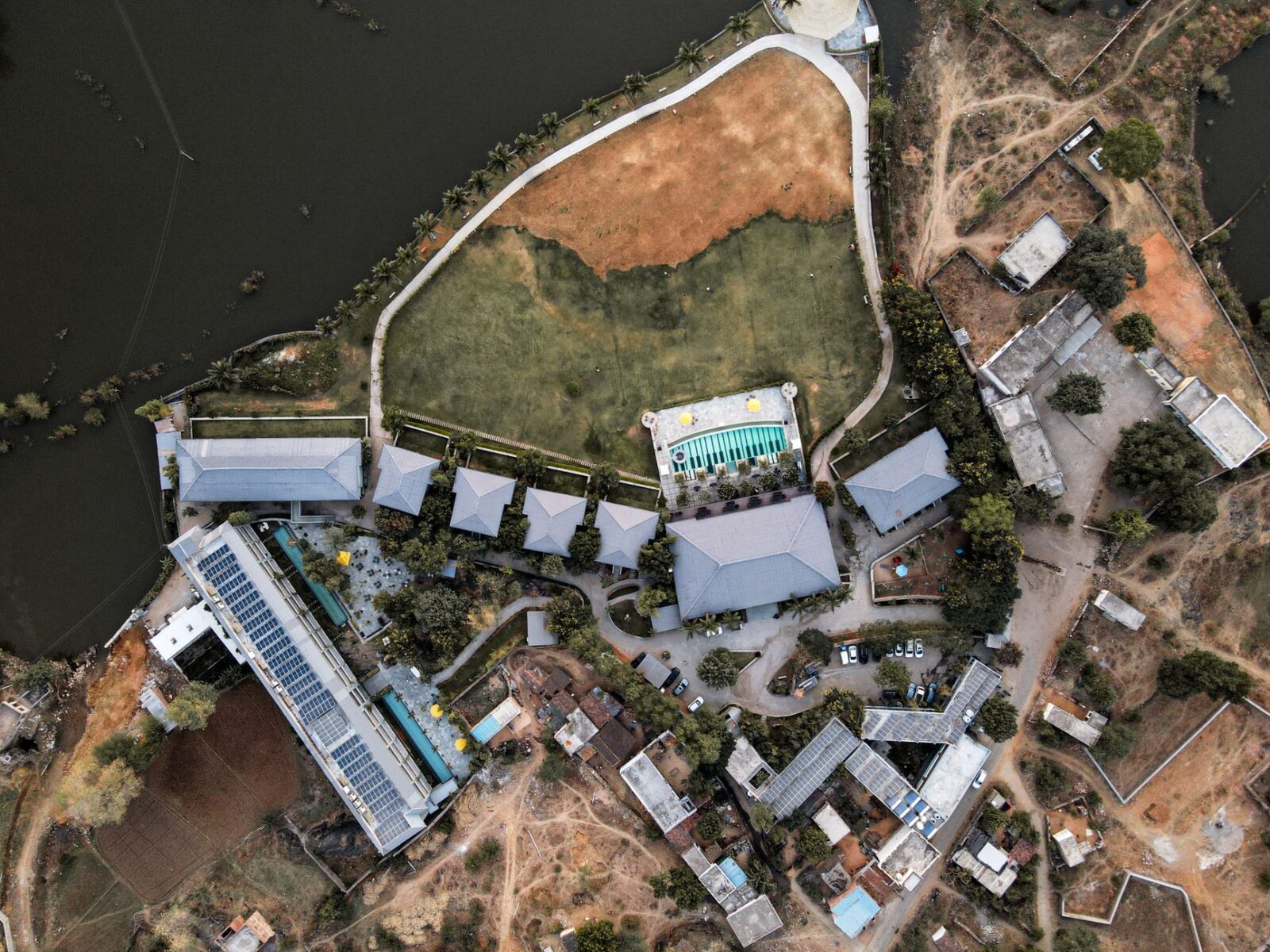
India is set to add over 70,000 new hotel rooms by 2030 as listed hotel operators accelerate expansion plans to meet surging domestic tourism demand — with Tier 2 and Tier 3 cities, pilgrimage destinations, and emerging leisure markets driving the majority of new supply, according to data from JLL Hotels and Skift Research published in mid-2026. India’s hotel rooms expansion reflects a hospitality sector entering its strongest growth cycle in over a decade, backed by rising middle-class incomes, improving infrastructure, and 4.1 billion domestic tourist visits recorded in 2025.
India’s hospitality market is expected to reach $31 billion by 2029, up from $24.6 billion in 2024 — a 26% expansion in five years. This growth is not concentrated in metro cities: it is spreading rapidly into regional India, where branded hotel supply has historically been severely underdeveloped relative to travel demand, creating significant opportunity for both domestic chains and international brands entering the market through franchise and management agreements.
Where Will India’s 70,000 New Hotel Rooms Be Located?
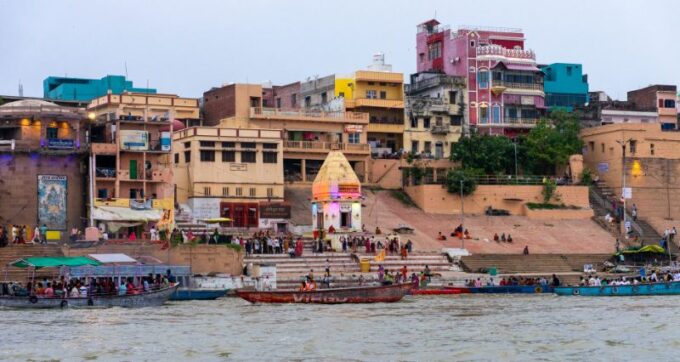
The 70,000 new hotel rooms pipeline is concentrated in three distinct market types. First, emerging leisure and adventure destinations — Lakshadweep, Kedarnath, Varanasi, Hampi, Coorg, Spiti Valley, and Jim Corbett — where a combination of improved connectivity and rising aspirational domestic travel is driving demand for branded accommodation. Second, pilgrimage markets: the Char Dham Yatra, Shirdi, Tirupati, and Vaishno Devi collectively attract over 100 million visitors annually, but branded hotel supply at these destinations is still thin relative to visitor volumes. Third, Tier 2 business cities — Indore, Coimbatore, Bhubaneswar, Lucknow, Chandigarh, and Nagpur — where IT and manufacturing growth is creating sustained corporate travel demand. Franchise deals with international brands including Radisson, Wyndham, and Cygnett are accelerating the entry of branded hotels into these markets through the Franchise 100 initiative.
Which Hotel Groups Are Adding the Most Rooms in India?
IHCL leads the expansion with 645 hotels in its current portfolio and a target of 700 by 2030, predominantly through its mid-market Ginger and Gateway brands. Marriott International has over 175 hotels in India and is adding 50+ properties in the next three years, focusing on its Fairfield, Courtyard, and Four Points brands in Tier 2 cities. Radisson Hotel Group has committed to 250 hotels in India by 2027 as part of its Asia-Pacific growth strategy. OYO, which has restructured under CEO Ritesh Agarwal following its 2025 profitability milestone, is expanding its premium Townhouse brand aggressively in Tier 2 and Tier 3 markets, adding 500+ properties annually. Minor Hotels, Lemon Tree Hotels, and Apeejay Surrendra Park Hotels are all executing multi-city expansion plans targeting the upper-midscale and upscale segments in cities where supply-demand gaps are largest.
Industry Reaction and Expert Commentary
JLL Hotels India Managing Director Jaideep Dang said the 70,000 new room pipeline represents “the most sustained construction and signing cycle India’s hotel industry has ever seen — and demand growth is keeping pace.” HICSA (Hotel Investment Conference South Asia) 2026 highlighted regional India as “the defining theme of the decade,” with delegates noting that RevPAR growth in Tier 2 cities is outpacing metros for the third consecutive year. Tourism Minister Gajendra Singh Shekhawat announced at HICSA that the government’s Swadesh Darshan 2.0 scheme has already developed 76 tourism circuits, with hospitality infrastructure development embedded in the plan for the first time. India’s aviation expansion — with 30 new airports inaugurated or under construction — is directly enabling hotel demand in previously inaccessible markets like Lakshadweep and the Northeast.
What Happens Next for India’s Hotel Industry Through 2030?
Beyond the 70,000 room pipeline already announced, analysts expect a second wave of signings in 2027–2028 as infrastructure projects (new expressways, regional airports, and coastal tourism circuits) open markets currently considered too remote for branded hotels. The government’s target of 100 million foreign tourist arrivals by 2030 — up from approximately 10 million in 2024 — will provide an additional demand overlay on top of the dominant domestic travel story. Hotel technology investment is also accelerating: AI-powered revenue management systems, contactless check-in via DigiYatra-linked hotel integration, and IoT-enabled room management are being deployed across new and existing properties, improving both guest experience and operational efficiency. India’s hospitality sector in 2026 is not just building rooms — it is building a world-class travel destination that matches the ambition of its economic moment.
Frequently Asked Questions
How many hotel rooms will India add by 2030?
India’s listed hotel operators are expected to add over 70,000 new hotel rooms by 2030, according to JLL Hotels and Skift Research data from 2026. This expansion is concentrated in Tier 2 cities, emerging leisure destinations, and pilgrimage markets, rather than metros. The expansion is driven by 40% year-on-year growth in domestic tourist visits, rising middle-class incomes, and improving transport infrastructure.
What is the size of India’s hospitality market?
India’s hospitality market was valued at $24.6 billion in 2024 and is expected to reach $31 billion by 2029. The market is growing at approximately 5% annually in USD terms, with RevPAR (Revenue Per Available Room) growing at 8–10% annually in rupee terms for listed hotel operators. IHCL, Marriott, Radisson, and Lemon Tree are the leading chains by portfolio size in India’s organised hotel market.
Which cities in India have the highest hotel demand growth?
Tier 2 and Tier 3 cities are seeing the fastest hotel demand growth in India in 2026. Indore, Coimbatore, Bhubaneswar, Chandigarh, Lucknow, and Nagpur are among the top business travel markets with strong demand and limited branded supply. Leisure markets like Varanasi, Shirdi, Lakshadweep, and Kedarnath are seeing exponential growth driven by domestic pilgrimage and experiential travel. These markets are outpacing Mumbai, Delhi, and Bengaluru in RevPAR growth rates for the third consecutive year.










Leave a comment