

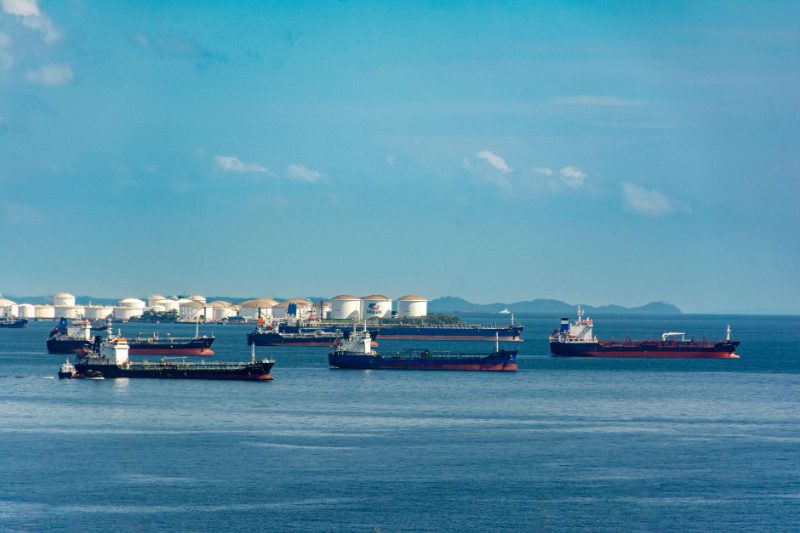
India settled $15 billion, or roughly ₹1.38 lakh crore, worth of merchandise imports using rupee settlement between March and May 2026, according to trade data reviewed by officials. The surge was driven primarily by a sharp increase in Russian crude oil purchases invoiced and paid for in domestic currency, pushing rupee-denominated transactions to 7.1% of India’s total imports over the period.
The rise in rupee settlement volumes reflects the continued expansion of India’s local-currency trade settlement mechanism, first scaled up in response to dollar-clearing constraints on Russian trade following Western sanctions. Indian refiners have increasingly used rupee-rouble and rupee-based payment channels to keep discounted Russian crude flowing despite sanctions-related banking friction.
How Does Rupee Settlement Affect India’s Import Bill?
By settling a growing share of crude oil imports in rupees rather than dollars, Indian refiners reduce their exposure to dollar liquidity constraints and currency conversion costs tied to sanctioned Russian banking channels. The $15 billion in rupee-settled imports over just three months signals that local-currency trade has moved from a workaround mechanism to a structurally significant share of India’s energy import bill, now accounting for 7.1% of total imports.
What Do Trade and Banking Officials Say?
Banking officials involved in structuring rupee-vostro account arrangements note that the mechanism has matured considerably since its introduction, with more banks now offering rupee settlement windows for oil trade. Energy sector analysts point out that discounted Russian crude remains commercially attractive for Indian refiners even after adjusting for the operational complexity of non-dollar settlement, sustaining demand for the rupee payment route.
Market and Trade Reaction
The growing rupee settlement volume comes even as India’s overall merchandise trade deficit widened sharply to $30.43 billion in June 2026, a 59% year-on-year jump driven by strong growth in imports of crude oil, electronics, machinery, and precious metals. Currency traders note that increased rupee invoicing for oil imports provides some cushioning against dollar demand pressure, though the widening trade deficit continues to weigh on the rupee’s broader trajectory.
What Happens Next?
Refiners and trade officials are expected to continue expanding rupee settlement infrastructure, including additional vostro account tie-ups with Russian and other trading-partner banks, as India seeks to reduce dollar dependency in strategic import categories. Analysts will be watching whether the 7.1% rupee-settlement share continues climbing as a share of total imports through the remainder of FY27.
Frequently Asked Questions
What is driving India’s rupee settlement of imports?
A surge in Russian crude oil purchases paid for in rupees rather than dollars is the primary driver, as Indian refiners use rupee-vostro arrangements to navigate sanctions-related banking constraints on Russian trade.
How much of India’s imports are now settled in rupees?
Rupee-settled imports reached $15 billion between March and May 2026, accounting for 7.1% of India’s total merchandise imports during that period.
Does rupee settlement affect India’s trade deficit?
Rupee settlement does not directly reduce the trade deficit, which widened 59% year-on-year to $30.43 billion in June 2026, but it does reduce India’s reliance on dollar liquidity for oil imports.










Leave a comment