

India is moving to ease e-commerce FDI rules, allowing international platforms greater flexibility to boost cross-border trade in a policy reform projected to unlock as much as $200 billion in annual merchandise exports. The relaxation targets long-standing restrictions on foreign direct investment in inventory-based e-commerce models that have limited how global marketplaces operate in India.
The reform is aimed squarely at India’s small and medium exporters, who trade officials say have struggled to access global buyers directly due to regulatory friction around foreign-backed e-commerce platforms operating cross-border logistics and payment infrastructure in India. By easing these FDI rules, the government hopes to plug Indian manufacturers more directly into global e-commerce supply chains.
How Will Easier E-Commerce FDI Rules Boost Exports?
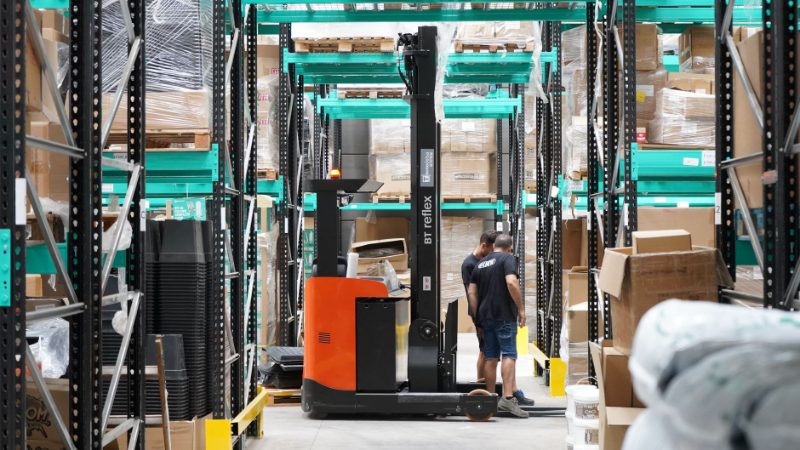
Easing e-commerce FDI rules is expected to allow international platforms to invest more freely in Indian warehousing, fulfillment, and cross-border payment infrastructure, reducing the logistics and compliance costs that have historically kept small exporters out of global e-commerce channels. Officials estimate the reform could unlock $200 billion in annual merchandise exports over time, as more manufacturers, particularly in textiles, handicrafts, and light engineering goods, gain direct access to international consumers through global marketplaces.
What Do Industry Bodies Say About the FDI Reform?
Export promotion councils have welcomed the relaxed e-commerce FDI rules as a long-requested reform, noting that Indian MSME exporters have historically lost market share to competitors in China and Southeast Asia who benefit from more integrated cross-border e-commerce ecosystems. Some domestic retail associations have flagged concerns about competitive pressure on local retailers from a more liberalized foreign e-commerce presence, a debate that has accompanied earlier rounds of India’s e-commerce FDI policy changes.
Market and Trade Reaction
Logistics and warehousing companies with e-commerce fulfillment exposure have drawn investor attention following the policy signal, as easier FDI norms are expected to accelerate capital investment in cross-border fulfillment infrastructure. The reform also comes as India pursues export diversification following its recent free trade agreements with the UK and EFTA nations, reinforcing a broader push to reduce reliance on any single export market or channel.
What Happens Next?
The Department for Promotion of Industry and Internal Trade is expected to notify detailed rules clarifying permitted FDI structures and compliance requirements for cross-border e-commerce platforms in the coming months. Exporters and logistics players will be watching for specifics on inventory-based versus marketplace-based investment limits, which have historically been the most contentious part of India’s e-commerce FDI framework.
Frequently Asked Questions
What changes are being made to India’s e-commerce FDI rules?
India is relaxing restrictions on foreign direct investment in e-commerce, giving international platforms more flexibility to invest in warehousing, fulfillment, and cross-border payment infrastructure to support Indian exporters.
How much export growth could the reform unlock?
Officials project the eased e-commerce FDI rules could unlock up to $200 billion in additional annual merchandise exports by connecting more Indian manufacturers to global e-commerce buyers.
Which exporters benefit most from easier e-commerce FDI rules?
Small and medium exporters in sectors like textiles, handicrafts, and light engineering goods are expected to benefit most, as they gain easier access to global marketplaces and cross-border logistics infrastructure.












Leave a comment