


India’s automotive retail sales jumped 28.6% year-on-year in the July 1-23 period, with growth recorded across every vehicle segment, according to a report from Choice Institutional Equities cited by industry publications on July 27-28, 2026. The surge builds on an already record-setting June, when FADA data showed overall retail registrations rising 21.83% to a record 25.57 lakh units, the best June ever recorded for the Indian auto industry.
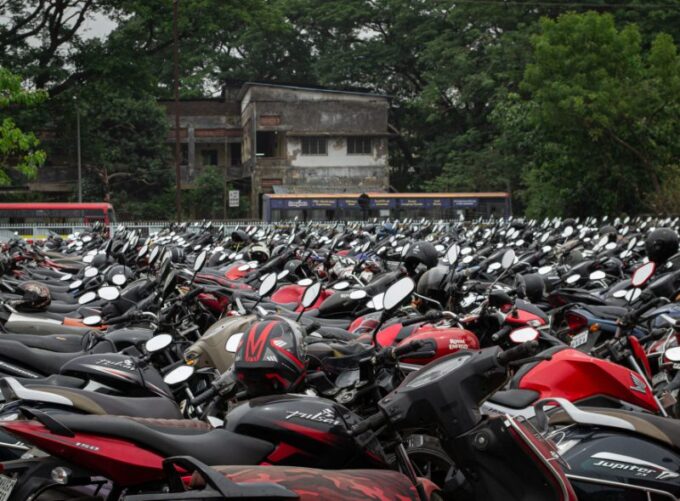
The July numbers show two-wheeler sales growing 31% year-on-year, passenger vehicle sales rising 20.6%, commercial vehicle sales up 27.3%, three-wheeler sales up 18.1%, and the tractor segment leading all categories with 36.8% year-on-year growth. The breadth of the expansion across every segment marks one of the strongest monthly performances the industry has posted in recent years.
Why Is India’s Automotive Sector Seeing Such Strong Growth in July 2026?
Analysts attribute the sharp year-on-year jump partly to a low base effect from July 2025, when sales were comparatively weaker, combined with genuinely improved underlying demand drivers. Steady consumer sentiment, a wave of recent model launches, strong EV adoption, softer interest rates and improved vehicle affordability following GST rationalisation have all been cited as factors supporting the across-the-board growth in July.
What Does This Mean for the Broader Automotive Supply Chain?
Sustained double-digit growth across two-wheelers, passenger vehicles, commercial vehicles and tractors points to broad-based strength through the automotive value chain, from component suppliers to dealerships and financiers. Strong tractor growth in particular signals healthy rural demand, which typically has knock-on benefits for two-wheeler sales and consumer durables in rural markets. The scale of growth also comes as manufacturers like Maruti Suzuki implement fresh price hikes, suggesting the market currently has enough underlying demand strength to absorb rising vehicle costs without a significant slowdown.
Market Reaction and Industry Response
Dealer associations and industry trackers have welcomed the July numbers as confirmation that the record momentum from June has carried into the new fiscal quarter, rather than proving to be a one-off spike. FADA and equity research desks are watching closely to see whether the full-month July figures, once finalised, sustain the 28-29% growth rate seen in the first three weeks, or moderate as the month progresses.
The strength in commercial vehicle sales is particularly notable given ongoing global commentary in the segment, with one major electric commercial vehicle manufacturer separately announcing plans to expand manufacturing capacity around the same period. Hero MotoCorp, TVS Motor and Bajaj Auto have also reported export milestones for FY26, even as they flagged geopolitical tensions, input cost inflation and supply-chain risks as watch points for FY27, adding a note of caution to an otherwise strong growth narrative.
What Happens Next?
Full July 2026 retail registration data from FADA is expected in the first week of August, which will confirm whether the strong early-month trend held through month-end. Industry watchers will also be tracking how manufacturers balance the current price hike cycle, led by Maruti Suzuki’s latest increase, against sustained demand strength, as well as export performance from two-wheeler majors Hero MotoCorp, TVS Motor and Bajaj Auto heading into FY27.
Frequently Asked Questions
How much did India’s automotive retail sales grow in July 2026?
India’s automotive retail sales grew 28.6% year-on-year in the July 1-23 period, according to a report from Choice Institutional Equities, with growth recorded across every vehicle segment.
Which vehicle segment grew the fastest in July 2026?
The tractor segment led all categories with 36.8% year-on-year growth, followed by two-wheelers at 31%, commercial vehicles at 27.3%, passenger vehicles at 20.6% and three-wheelers at 18.1%.
What is driving the strong growth in India’s auto retail sales?
Analysts point to a low base from July 2025, steady consumer sentiment, recent model launches, strong EV adoption, softer interest rates and improved affordability following GST rationalisation as the key growth drivers.












Leave a comment