

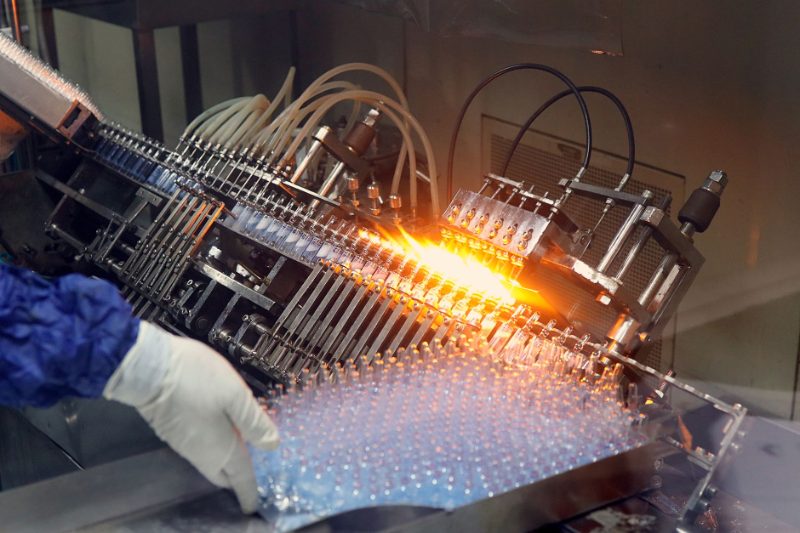
A 100% Section 232 tariff on patented pharmaceutical products and their active pharmaceutical ingredients takes effect in the United States on 31 July 2026, marking one of the most aggressive trade actions yet on the global pharmaceutical industry. The tariff applies to large pharmaceutical companies first, with smaller manufacturers facing the same rate from 29 September 2026.
President Trump signed the underlying proclamation on 2 April 2026 under Section 232 of the Trade Expansion Act of 1962. The tariff structure is tiered: companies with a Commerce Department-approved onshoring plan will pay a reduced 20% rate from 29 September 2026 through April 2030, while companies with both an onshoring agreement and a signed Most Favored Nation pricing deal with the Department of Health and Human Services qualify for a 0% rate from 31 July 2026 through January 2029.
How Will the Pharma Tariff Affect Global Drug Supply Chains?
The 100% Section 232 tariff applies specifically to patented pharmaceutical products and their active pharmaceutical ingredients, not to generics or biosimilars, which remain expressly excluded. This distinction matters enormously for exporting nations: countries whose pharmaceutical trade with the US is dominated by branded, patent-protected drugs face the full force of the tariff, while those exporting mostly generic medicines are largely shielded from the headline rate. Multinational drugmakers with patented US-bound products now face a stark choice between absorbing the tariff, securing an onshoring agreement, or renegotiating pricing under the MFN framework.
What Do Trade Analysts Say About the Pharma Tariff?
Trade lawyers and pharmaceutical industry analysts describe the tariff as a deliberate lever to force manufacturing back onshore rather than a pure revenue measure, pointing to the steep discount offered to companies that commit to US-based production. Analysts covering the sector note that the tiered structure effectively gives large multinational pharma companies until September before the full weight of the tariff applies to all firms uniformly, creating a narrow window for negotiation. Global trade bodies have warned that stacking tariffs on patented medicines risks raising costs for US patients in the near term, even as the policy aims to rebuild domestic pharmaceutical manufacturing capacity.
Market and Trade Reaction
Pharmaceutical stocks with significant patented-drug exposure to the US market have been volatile in the run-up to the 31 July deadline, as investors price in the cost of either tariff absorption or onshoring commitments. Currency and bond markets have shown a more muted reaction, since the tariff is sector-specific rather than economy-wide, but analysts are watching for second-order effects on US drug pricing and on countries with large patented-pharma export bases to the US.
What Happens Next?
Large pharmaceutical companies named in Annex III of the presidential proclamation face the 100% rate, or reduced rates if qualifying, starting 31 July 2026, while all other manufacturers get until 29 September 2026 before the same tiered structure applies to them. Companies seeking the reduced 20% or 0% rates must have Commerce-approved onshoring plans and, where applicable, signed MFN pricing agreements in place before their respective deadlines. Markets will be watching for the first wave of onshoring agreements to be disclosed in the coming weeks.
Frequently Asked Questions
What is the Section 232 pharma tariff rate?
The tariff imposes a 100% duty on patented pharmaceutical products and their active pharmaceutical ingredients, effective 31 July 2026 for large companies and 29 September 2026 for all others.
Are generic drugs affected by the pharma tariff?
No. Generic pharmaceuticals and biosimilars are expressly excluded from the Section 232 tariff, which applies only to patented, branded products and their APIs.
How can companies reduce the pharma tariff rate?
Companies with a Commerce-approved onshoring plan pay a reduced 20% rate, and those with both an onshoring plan and a signed MFN pricing agreement with HHS qualify for a 0% rate.







Leave a comment