

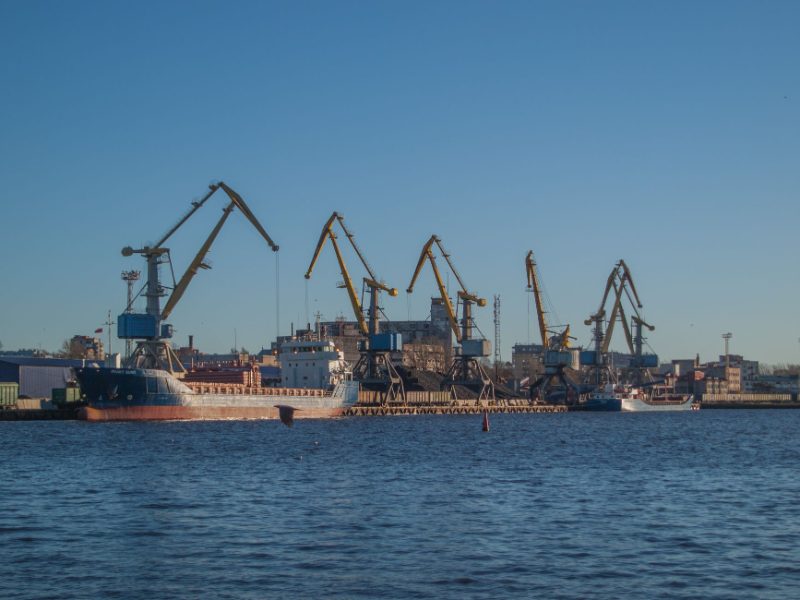
The Karnataka cabinet approved two port and shipbuilding ventures worth a combined Rs 7,247 crore under a public-private partnership framework on September 22, 2026, marking one of the state’s largest maritime infrastructure investments this year. The approvals cover a new deep-water port at Manki in Uttara Kannada district and a greenfield shipyard at Gangolli Beach in Kundapura.
The larger of the two, the Manki Port project, carries an investment of Rs 6,925 crore and will be developed on a design-build-finance-operate-transfer (DBFOT) basis with a 45-year concession period. Its first phase is designed to handle 15 million tonnes of cargo annually, with the capacity to berth vessels of up to 180,000 deadweight tonnes, among the larger capacities on India’s western coast.
What Cargo Will the New Manki Port Handle?
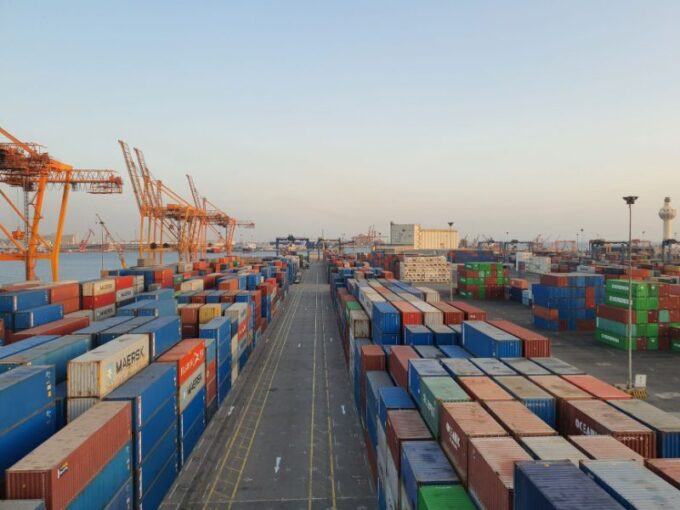
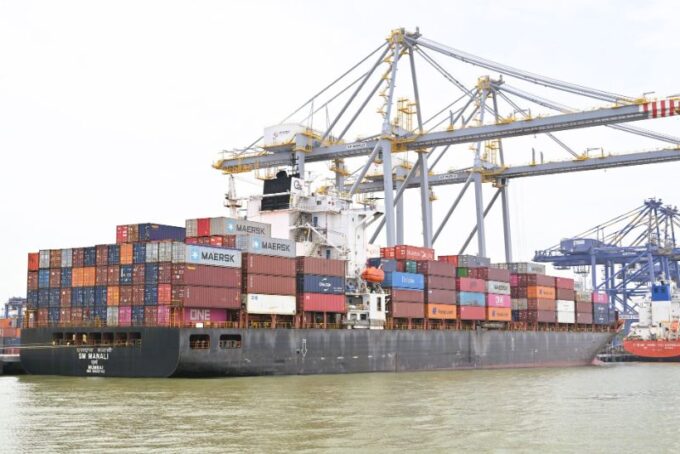
Phase one of the Manki port is designed around bulk cargo including coal, iron ore, limestone, fertilisers, petroleum products, containers and steel, positioning it to serve both the mining belt of northern Karnataka and industrial units along the coast. An optional second phase envisages either additional port capacity or a shipyard capable of producing 0.3 to 0.5 million gross tonnes of vessels annually, giving the state flexibility to scale the site based on demand. The 45-year DBFOT concession structure shifts construction and operating risk to the private developer while allowing the state to retain long-term ownership of the underlying port asset.
What Does the Gangolli Shipyard Add to Karnataka’s Trade Capacity?
The second project, a Rs 322 crore greenfield shipyard at Gangolli Beach in Kundapura, is designed to produce three handysize vessels annually. Handysize ships are among the most widely used bulk carriers in coastal and short-sea trade, and a dedicated shipyard on Karnataka’s coast is expected to reduce dependence on shipbuilding capacity concentrated in other states. Trade analysts say the combined port-and-shipyard approach signals an effort to build an integrated maritime cluster along the Uttara Kannada and Udupi coastline rather than standalone cargo-handling infrastructure.
Market and Trade Reaction
Logistics and EPC contractors active in Karnataka’s coastal belt are expected to compete for construction contracts once bids are floated for the Manki port, while shipping lines serving the west coast are watching for how the added 15 MTPA capacity will affect freight routing once operational. Industry bodies representing mining and steel exporters in northern Karnataka welcomed the port’s cargo profile, noting that additional deep-water capacity could ease congestion at existing ports like New Mangalore and Karwar during peak export seasons.
What Happens Next?
The state government is expected to invite private developers to bid for the Manki port concession in the coming months, with detailed project reports and environmental clearances to follow before construction begins. The Gangolli shipyard’s greenfield status means land allocation and coastal regulation zone clearances will be among the first steps, a process that typically takes several months in India’s coastal states.
Frequently Asked Questions
What did the Karnataka cabinet approve on September 22, 2026?
The cabinet approved two port and shipbuilding projects worth Rs 7,247 crore combined: a Rs 6,925 crore deep-water port at Manki in Uttara Kannada and a Rs 322 crore shipyard at Gangolli Beach in Kundapura.
How much cargo will the Manki port handle?
The first phase of Manki port is designed for 15 million tonnes of cargo annually, handling coal, iron ore, limestone, fertilisers, petroleum products, containers and steel, with vessels up to 180,000 deadweight tonnes.
What is the concession structure for the Manki port project?
The project will be developed under a design-build-finance-operate-transfer (DBFOT) model with a 45-year concession period awarded to a private developer.








Leave a comment