

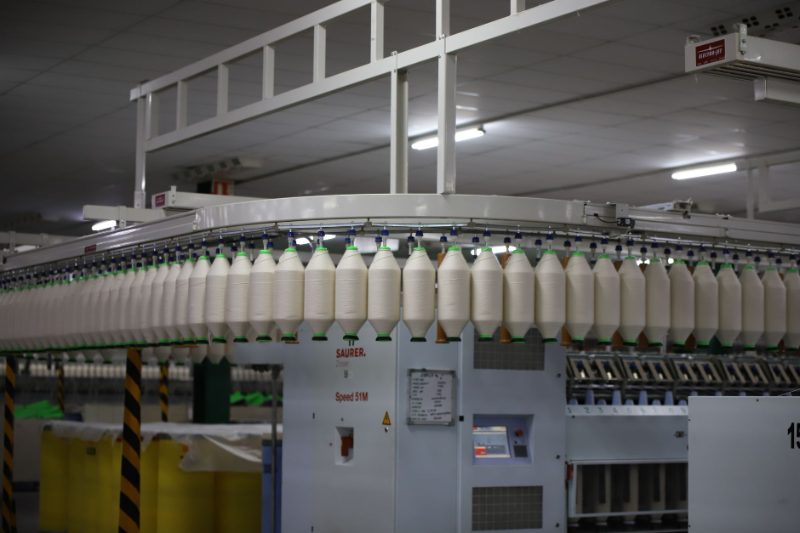
Uttar Pradesh’s textile and apparel exports rose 10% to touch Rs 35,000 crore in FY26, according to state industry data released this week, reinforcing the state’s position as one of India’s largest textile-exporting hubs alongside Tamil Nadu and Gujarat. The growth was led by garment clusters in Noida and Kanpur alongside the Bhadohi carpet belt, which together account for the bulk of the state’s outbound textile shipments.
The rise comes even as national textile and apparel exports have shown mixed monthly trends through 2026, with August shipments nationally up 16.1% even as April recorded a 3.4% decline in the same category. State officials say Uttar Pradesh’s steadier growth reflects a diversified product mix spanning home furnishings, carpets, hosiery and readymade garments, which has cushioned the state’s export base from single-category swings.
Which Product Categories Drove UP’s Export Growth?
Home textiles and carpets from the Bhadohi cluster, garments from the Noida-Ghaziabad hub, and hosiery products from Kanpur were the largest contributors to the Rs 35,000 crore export tally. Industry associations say the state’s carpet exports in particular have benefited from steady demand in the United States and Europe, even as overall global apparel demand has been uneven through the year. State textile department officials noted that value-added categories, finished garments and made-up textiles rather than raw yarn or fabric, accounted for a growing share of the export basket.
What Do Industry Bodies Say About the Growth?
Exporter associations in Noida and Kanpur said the 10% rise reflects both new buyer relationships secured over the past year and steady execution on existing export orders, though they cautioned that rising input costs and global freight volatility remain a concern heading into the next fiscal year. Trade body representatives pointed to continued demand from the United States and the European Union as the main external driver, alongside incremental gains in West Asian markets. Some exporters flagged that compliance costs tied to evolving global sustainability standards, including carbon-related import measures being rolled out by the European Union, are becoming a larger factor in cost planning for textile shipments to Europe.
Market and Trade Reaction
Textile machinery suppliers and yarn manufacturers serving Uttar Pradesh’s export clusters are expected to see steady order flow if the growth trend extends into the current fiscal year. Logistics providers handling containerised cargo out of the state’s inland container depots have also reported firmer volumes tied to the garment and carpet export pipeline. State officials said the export performance strengthens the case for continued investment in textile parks and common effluent treatment infrastructure needed to support further capacity expansion.
What Happens Next?
The state textile department is expected to release a fuller sector-wise breakdown of FY26 export performance in the coming weeks, alongside plans for incentives aimed at sustaining the growth into FY27. Industry watchers will be tracking whether the momentum in carpet and garment exports can offset any slowdown in yarn and fabric shipments, which have been more exposed to global commodity price swings.
Frequently Asked Questions
How much did Uttar Pradesh’s textile exports grow in FY26?
Uttar Pradesh’s textile and apparel exports rose 10% to reach Rs 35,000 crore in FY26, according to state industry data.
Which regions in UP drove the export growth?
Garment hubs in Noida and Kanpur, along with the Bhadohi carpet cluster, were the largest contributors to the state’s textile and apparel export growth.
What challenges do UP textile exporters face going forward?
Exporters have flagged rising input costs, global freight volatility, and compliance costs linked to sustainability and carbon-related import measures in markets like the European Union as key challenges.











Leave a comment