

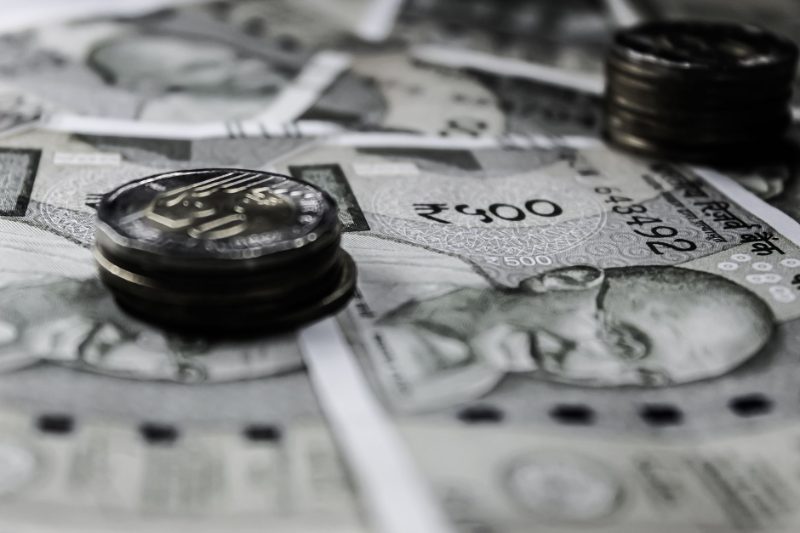
The Indian rupee closed at 95.59 against the US dollar on September 22, 2026, appreciating 0.23 rupees from the previous close of 95.82 and marking its fifth consecutive session of gains. The rally was driven primarily by falling crude oil prices and dollar sales by state-run banks on behalf of the Reserve Bank of India, according to currency dealers.
Brent crude fell 1.5% to $98.8 a barrel during the session, pulled lower by reports that Iran could reopen the Strait of Hormuz if US military pressure eases, a development that directly benefits oil-importing economies like India. A broader recovery across Asian currencies also supported the rupee’s advance, dealers said, as risk sentiment improved on the prospect of de-escalation in the Gulf.
What Is Driving the Rupee’s Five-Session Rally?
HDFC Securities currency analyst Dilip Parmar said the rupee “surged following a sharp decline in crude oil prices, driven by reports that the Strait of Hormuz could soon reopen.” Since India imports the vast majority of its crude oil needs, falling oil prices directly ease pressure on the country’s import bill and current account, a relationship that has repeatedly shown up in rupee trading this year. Traders also pointed to sustained dollar-selling intervention by state-run banks, widely believed to be acting on the RBI’s behalf, as a factor smoothing the currency’s advance.
How Does This Fit Into the Rupee’s 2026 Trend?
Despite the recent gains, the rupee remains down 5.98% for the calendar year and has depreciated 4.83% since the onset of the US-Iran conflict earlier in 2026, underscoring how much ground the currency has had to claw back. On a financial-year basis, the rupee is down a more modest 0.82%, reflecting the volatility induced by the Gulf standoff over the past several months. Currency desks pegged near-term support for the rupee at 95.40 and resistance at 96.10, levels traders will watch closely if Hormuz-related headlines continue to move oil prices.
Market and Trade Reaction
India’s 10-year bond yield eased 4 basis points to 7.01% alongside the rupee’s advance, while banking system liquidity remained in surplus at approximately Rs 4.91 trillion. The overnight weighted average call rate held flat at 5.24%, suggesting money markets were largely unaffected by the currency move. Exporters in IT services and pharmaceuticals, sectors sensitive to rupee strength, are watching the trend closely since a sustained appreciation could pressure margins on dollar-denominated contracts.
What Happens Next?
Currency traders say the rupee’s near-term path will hinge heavily on how the Iran-US negotiations over the Strait of Hormuz progress, given the direct link between Gulf oil-supply risk and crude prices. Any signal of a stalled settlement, or renewed military escalation, could quickly reverse the currency’s five-session gain. The RBI’s intervention pattern through state-run banks will also remain a factor traders track for signs of the central bank defending specific support and resistance levels.
Frequently Asked Questions
Why did the rupee gain for a fifth straight session?
The rupee gained on falling crude oil prices, driven by reports Iran could reopen the Strait of Hormuz, combined with dollar sales by state-run banks believed to be acting on the RBI’s behalf.
What is the rupee’s performance so far in 2026?
Despite the recent rally, the rupee remains down 5.98% for calendar year 2026 and has depreciated 4.83% since the US-Iran conflict began, though it is down a smaller 0.82% on a financial-year basis.
What are the key support and resistance levels for the rupee?
Currency dealers have pegged near-term support at 95.40 per dollar and resistance at 96.10, levels likely to be tested depending on how Strait of Hormuz negotiations evolve.











Leave a comment