

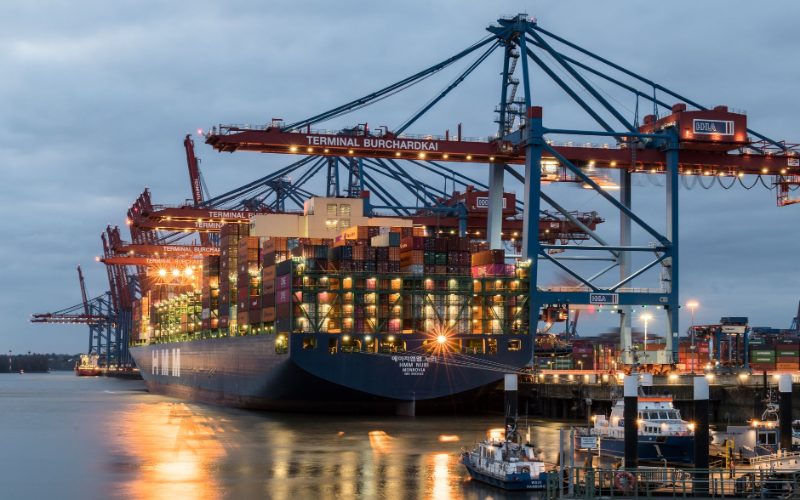
The United States and China have released reciprocal product lists worth $30 billion each for tariff cuts, following last week’s Trump-Xi summit — the first meeting between the two leaders since 2015 that took place in Washington. The lists cover 1,619 categories of US goods entering China and 77 categories of Chinese goods entering the United States, marking a concrete step toward de-escalating a trade conflict that saw US tariffs on Chinese goods peak at 145% last year.
Under the agreement, more than 90% of the listed products will be subject to most-favoured-nation tariff rates, effectively rolling back the punitive tariffs both sides imposed during the escalation. The deal follows the establishment of a bilateral Board of Trade in May 2026 and extends the original trade truce, which had been set to expire on November 10, 2026, through January.
Which Products Are Covered by the Tariff Cuts?
US goods gaining access to China under most-favoured-nation rates include agricultural commodities, personal care products, timber, medical equipment and coal. Chinese goods benefiting from reduced US tariffs include fireworks, tableware, glass products, wooden Christmas ornaments and soccer balls. Strategically sensitive sectors — semiconductors, electric vehicles and batteries — have been explicitly excluded from the deal, reflecting continued US-China friction over technology and industrial policy even as trade tensions ease on consumer and agricultural goods.
What Do Trade Economists Say About the Deal?
“This is a positive outcome for these affected products compared to a smaller tariff cut,” said Lynn Song, chief economist at ING Bank, characterising the deal as an incremental but meaningful de-escalation rather than a comprehensive resolution of US-China trade tensions. Analysts note that with China’s trade surplus running at roughly $800 billion through August 2026 — after a record $1.2 trillion surplus in 2025 — the pressure for further rebalancing measures on both sides remains high, even as this deal signals a period of relative trade détente ahead of the APEC summit in Shenzhen in November and the G20 summit in Florida in December.
Market and Trade Reaction
US exports to China totalled roughly $68 billion in the first seven months of 2026, while Chinese exports to the US reached about $270 billion over the first eight months, underscoring the scale of the trade relationship even amid tariff disputes. Commodity and consumer-goods exporters on both sides are expected to benefit most directly from the tariff relief, while global supply chains for excluded strategic goods — chips, EVs and batteries — remain subject to elevated tariffs and export controls. Third-country exporters, including in India and Southeast Asia, will be watching closely for any diversion of trade flows as US-China tariff differentials narrow on the newly covered product categories.
What Happens Next?
The extended trade truce runs through the original January deadline period, with both governments expected to use the APEC summit in Shenzhen in November and the G20 summit in Florida in December as checkpoints for further negotiation. Businesses on both sides will be monitoring implementation of the new tariff schedules, while excluded strategic sectors remain a flashpoint that could resurface in future rounds of talks.
Frequently Asked Questions
What is the size of the US-China tariff deal?
Each country published a product list worth $30 billion, covering 1,619 categories of US goods for China and 77 categories of Chinese goods for the US, with more than 90% set to receive most-favoured-nation tariff treatment.
Which products are excluded from the deal?
Strategically sensitive categories — semiconductors, electric vehicles and batteries — are excluded from the tariff-cut lists, reflecting continued US-China tension over technology and industrial policy.
When does the extended trade truce expire?
The original truce was set to expire on November 10, 2026, but has been extended through January, with the APEC summit in Shenzhen and the G20 summit in Florida seen as key upcoming checkpoints.











Leave a comment