

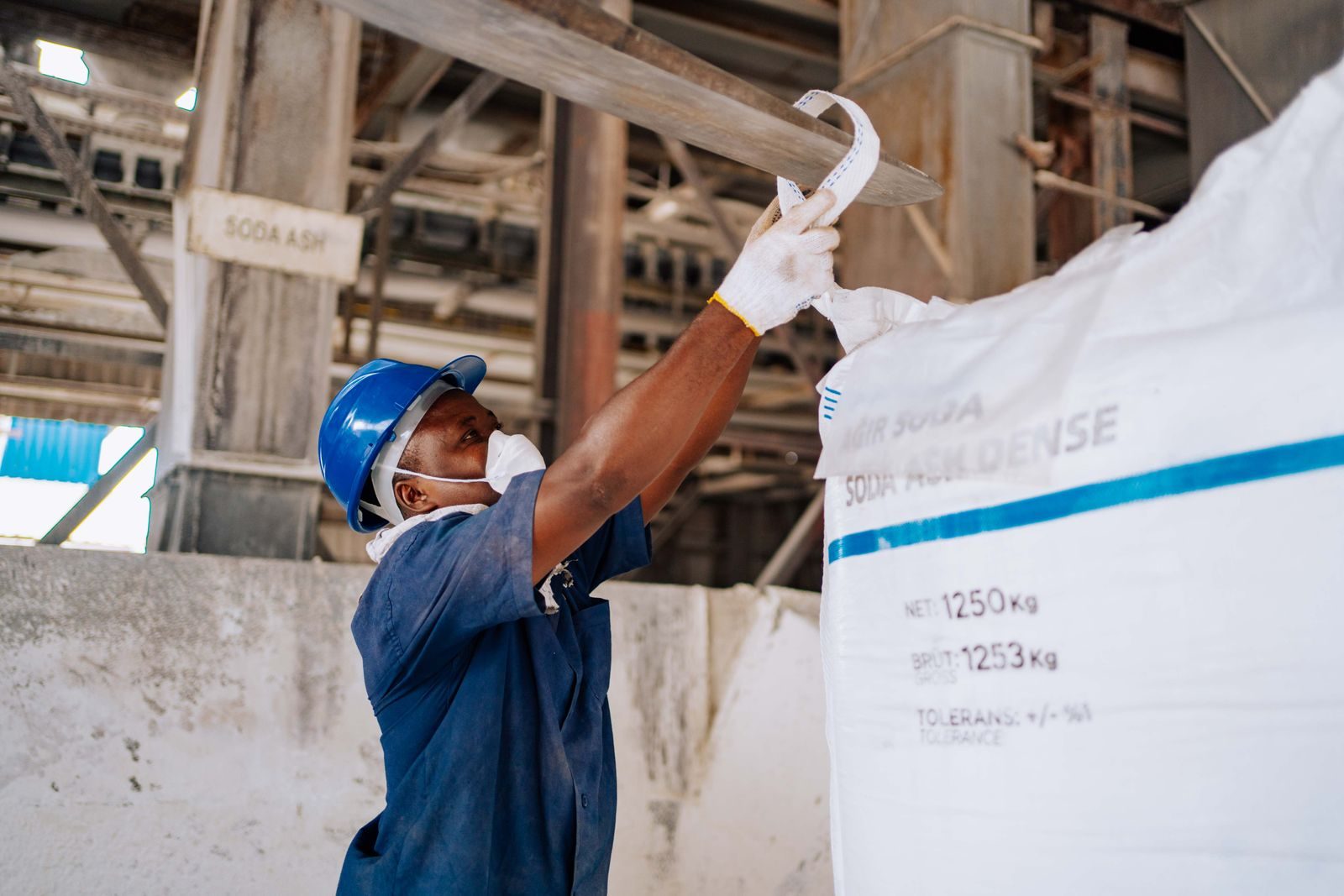
India’s trade remedies authority has recommended a soda ash import quota for two years to shield domestic manufacturers. The Directorate General of Trade Remedies (DGTR) proposed annual caps of 754,992 tonnes in year one and 792,740 tonnes in year two, according to a Business Standard report of 9 November 2026. The proposal awaits government approval.
DGTR cited the threat of serious injury to domestic producers after a sharp rise in overseas shipments. The recommendation is part of final findings released the week before the report. The year-two cap is 5% higher than year one, providing for gradual liberalisation.
Why Is DGTR Recommending a Soda Ash Import Quota?
DGTR concluded that serious injury to the domestic industry was “clearly imminent”, even though producers remained profitable. Domestic production and sales had recovered, capacity utilisation improved and employment reached its highest level, the report said.
The authority pointed to import growth. Imports rose 89% in 2023-24, from 517,653 tonnes in 2022-23 to 979,996 tonnes, and annualised imports for January to September 2025 were about 1.01 million tonnes. Landed import prices fell 39% while domestic selling prices fell 34%.
How Are the Quotas Split Across Countries?
Year-one allocations, in tonnes, are: United States 159,388; Turkey 128,697; Kenya 121,847; European Union 117,179; Iran and UAE combined 110,948; Russia 70,289; and China 46,487. The quotas will be split into quarterly tranches.
The restrictions cover natural and synthetic soda ash in light and dense forms. Exemptions include imports from certain developing countries that meet applicable thresholds, and eligible imports under the Advance Authorisation Scheme for physical exports.
What Does It Mean for Chemical Producers and Users?
The application came from the Alkali Manufacturers Association of India (AMAI), filed for DCW Limited, GHCL Limited, Nirma Limited, RSPL Limited and Tata Chemicals Limited. They had sought restrictions for four years; DGTR proposed two. DGTR said the period would let makers carry out adjustment plans such as cost reductions, higher capacity utilisation, debottlenecking and capacity expansion.
Soda ash is used in glass, detergents, sodium silicate and chemicals. User industries warned that restrictions could hurt availability, raise costs and disrupt production. The Department of Chemicals and Petrochemicals told the investigation that restrictions were unlikely to harm users, citing domestic capacity and planned additions. DGTR held that the measure serves the public interest and provided for exemptions and supply monitoring.
Market Reaction and Industry Response
Beyond the user-industry warnings and the department’s view noted above, no separate market reaction or trade-body comment was found in the source reviewed.
What Happens Next?
The quota proposal needs government approval before it takes effect. The source did not give a date for a decision. DGTR drivers cited for the import surge were weaker European demand after the Russia-Ukraine war, additional US capacity and falling export prices.
Frequently Asked Questions
How large is the proposed soda ash import quota?
DGTR proposed 754,992 tonnes in year one and 792,740 tonnes in year two.
Who asked for the restrictions?
The Alkali Manufacturers Association of India, filing for DCW, GHCL, Nirma, RSPL and Tata Chemicals.
Is the quota in force?
No. It is a DGTR recommendation that awaits government approval.
Source: Business Standard, 9 November 2026.








Leave a comment