

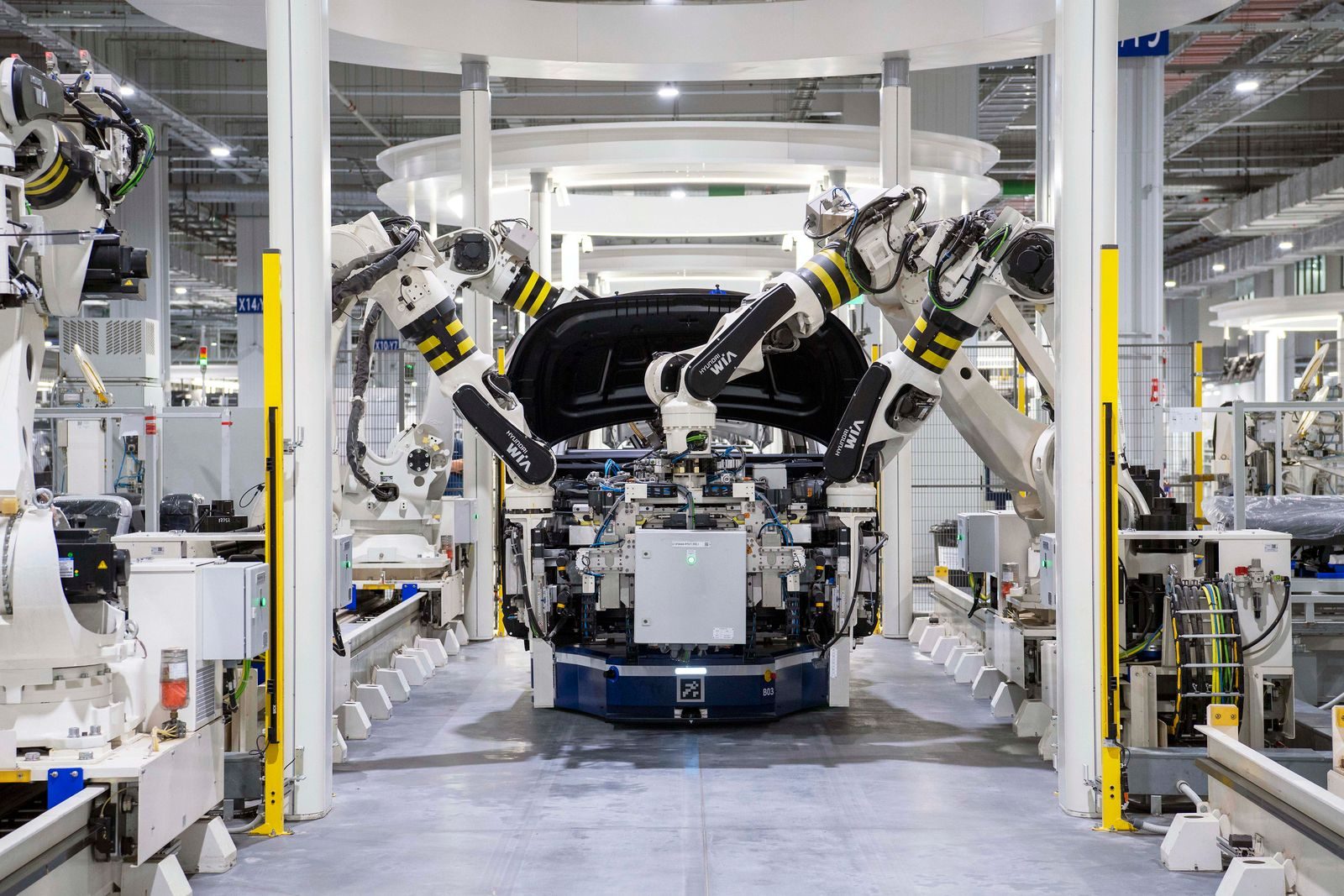
Tata Motors PV capex for FY27 will be equivalent to 6-7% of revenue, Tata Motors Passenger Vehicles (TMPV) told analysts on its Q2 FY27 earnings call, Autocar Professional reported on 20 November 2026. The company did not give an absolute capex figure and said spending will rise over the next 18-24 months as it enters its next phase of capacity expansion.
Capex in the first half of FY27 was Rs 2,700 crore, broadly similar to the same period last year. The comments came from managing director and CEO Shailesh Chandra and CFO Dhiman Gupta.
Why Is Tata Motors PV Capex Rising Now?
Demand is running ahead of production. Q2 FY27 volumes were about 2 lakh units, the highest quarterly figure the company has recorded and up 40% year-on-year, with a domestic market share of 14.3%. October 2026 brought record monthly volumes of 75,000 units and a 14.8% share.
The Sierra has sold more than 70,000 units during the year and its capacity is being scaled up. Demand for the Aeris compact sedan exceeds available capacity: TMPV supplied about 4,000 units in the first month and aims to raise monthly capacity to 5,000 units before expanding further based on demand.
Electric vehicles are also capacity-constrained. Q2 FY27 was the highest-ever quarter for EV volumes, with average monthly offtake of about 16,000 units. EVs made up 23% of domestic volumes and the company’s EV market share rose to 43%. TMPV plans to lift monthly EV production from about 16,000 to about 20,000 units over the next two to three months through internal measures and supplier-side additions.
What the PLI Accruals and Commodity Costs Mean for Carmakers
TMPV booked about Rs 831 crore in Production Linked Incentive (PLI) accruals in H1 FY27, of which about Rs 530 crore came in Q2. It expects at least a similar quarterly accrual rate in the second half. Chandra said about 40% of the current portfolio is covered under the PLI scheme; two more models have Automotive Certification and are awaiting Techno-Commercial Approval for inclusion.
The PLI scheme is scheduled to expire in 2028. To prepare, TMPV has a 12-18-month cost-reduction programme with deeper cuts than usual on its internal combustion engine portfolio, a more aggressive cost target for the next 24 months, and plans for gradual price rises on models with pricing headroom. Management expects these steps to offset the PLI benefit.
Higher steel, rubber and copper prices and foreign exchange movements pressured margins in H1. Price increases and cost reductions offset about 40% of the commodity cost increase year to date, and the business absorbed the rest. Three rounds of price increases, in April, July and September, raised prices by about 1.7% on average across the ICE and EV ranges.
Market Reaction and Industry Response
The reports did not cite any share price movement, analyst comment or trade-body response. H1 free cash flow was positive at about Rs 2,000 crore, helped by favourable working capital movements and receipt of the previous year’s PLI cash release.
What Happens Next?
TMPV said commodity pressure is likely to stay elevated in Q3, with further increases expected in some raw materials, and it is considering more price increases in Q3 and Q4. EV output is targeted to reach about 20,000 units a month within two to three months.
Frequently Asked Questions
How much is Tata Motors PV spending on capex in FY27?
The company guided to 6-7% of revenue and did not disclose an absolute figure. H1 FY27 capex was Rs 2,700 crore.
How much PLI incentive did Tata Motors PV accrue?
About Rs 831 crore in H1 FY27, including about Rs 530 crore in Q2.
What is Tata Motors’ EV market share?
The company said its EV market share rose to 43% in Q2 FY27, with EVs forming 23% of its domestic volumes.
Source: Autocar Professional, 20 November 2026 (two reports on the TMPV Q2 FY27 earnings call).












Leave a comment