

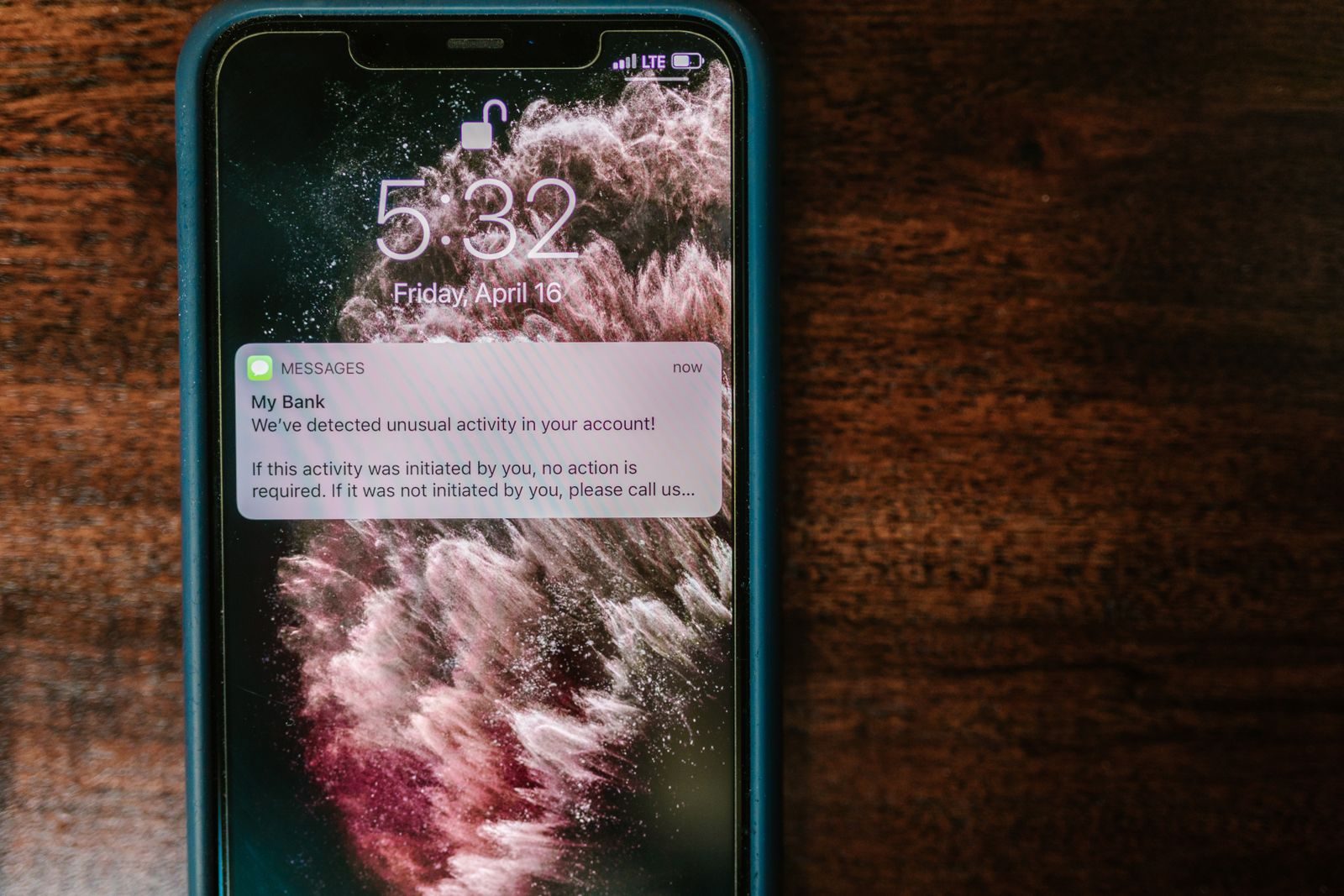
The Reserve Bank of India has proposed a “stop switch” that would let bank customers instantly block all outgoing digital debits from their account if they suspect fraud. The RBI stop switch is part of a draft released on November 23, 2026, that also lets customers set their own transaction limits, disable payment channels and nominate a trusted person to approve large transfers.
The draft amendment directions on additional preventive safeguards for electronic banking transactions follow public feedback on an RBI discussion paper issued on April 9. Comments are due by December 14, 2026. The proposals would apply to commercial banks, small finance banks, payments banks, regional rural banks, local area banks, and urban and rural cooperative banks, Business Today reported.
How Would the RBI Stop Switch Work?
The stop switch would immediately block all future customer-initiated outward debits. It would also block new payment mandates or standing instructions and registration on new third-party UPI apps. Incoming credits, ongoing recurring mandates, liens and bank recovery debits such as loan instalments would not be affected. Customers could reactivate after authentication.
Banks would have to let customers disable and re-enable one or more digital payment channels, and set limits per transaction, per beneficiary and per day for each channel, plus an overall daily limit. For cards, customers could switch domestic and international use on or off and set limits for PoS, ATM, online and contactless transactions.
Digital payment channels would be disabled by default for new customers and enabled only with explicit consent and authentication. For new fund-transfer channels, banks would set a risk-based ceiling for the first 24 hours after activation.
What Is the Trusted Person Mechanism?
Under the voluntary trusted person mechanism (TPM), a customer could nominate someone aged 18 or above to approve electronic fund transfers above a threshold the customer sets. The trusted person would have one hour to approve; if they reject it or do not respond, the transaction is declined. A 24-hour cooling-off period would apply before the mechanism is activated. UPI, merchant payments and recurring payments are excluded.
The trusted person would only authenticate transactions. They would not become a joint holder, nominee or signatory, and could not see balances or account details, Business Standard reported.
Compared with the April discussion paper, the draft drops the proposed one-hour delay for certain high-value transfers and the annual credit ceiling.
Market and Trade Reaction
No reaction from banks or industry bodies was reported in the sources reviewed.
What Happens Next?
After the consultation closes on December 14, the RBI will issue final directions. Business Standard reported that changes to the definition of bank negligence would take effect on January 1, 2027, and the other safeguards on July 1, 2027, or earlier if banks adopt them. Banks would need to offer the controls through branches, ATMs, internet and mobile banking, and IVR.
Frequently Asked Questions
What is the RBI stop switch?
It is a proposed facility that would let customers instantly block all customer-initiated outgoing debits from their account, while incoming credits continue.
When are comments on the RBI draft due?
Comments are due by December 14, 2026.
Does the trusted person mechanism apply to UPI?
No. UPI, merchant payments and recurring payments are excluded from the trusted person mechanism.
Source: Business Standard, November 23 and 24, 2026; Business Today, November 23, 2026.















Leave a comment