

The Supreme Court of India on 26 November 2026 ordered that front-of-pack warning labels on packaged food must carry a separate hexagon for each nutrient of concern, rather than one combined symbol. Each hexagon must cover 4% to 5% of the pack’s principal display panel and carry the words “HIGH FAT”, “HIGH SUGAR” or “HIGH SALT”, LawBeat reported.
A bench of Justice JB Pardiwala and Justice K Vinod Chandran gave the directions in the case 3S and Our Health Society v. Union of India & Ors. Reuters described the ruling as a new setback for the food industry.
What do the new front-of-pack warning labels require?
According to LawBeat, the court directed the Union Government and the Food Safety and Standards Authority of India (FSSAI) to enforce front-of-package nutrition labelling. The key directions are:
- A separate hexagonal warning for each nutrient of concern. A product high in both sugar and salt would carry two hexagons.
- Each hexagon must include a standard pictogram of the nutrient and the words “HIGH FAT”, “HIGH SUGAR” or “HIGH SALT”.
- Each hexagon must cover 4% to 5% of the principal display panel.
- FSSAI must prescribe a font size that keeps the text prominent under normal purchase and use conditions.
- Warning thresholds must be evidence-based and calculated on total sugars and saturated fat, not on added sugar and added fat.
- The Food Safety and Standards (Labelling and Display) Regulations, 2020 must be implemented strictly, “in letter and spirit”.
On thresholds, the court said limits set too low would put a warning on nearly every product and cause label fatigue, while limits set too high would let most products escape labelling. No numeric thresholds were reported.
Justice Pardiwala said: “We couldn’t have pronounced on any better day than constitution day because it talks about right to health.”
What the ruling means for food packaging and label printing
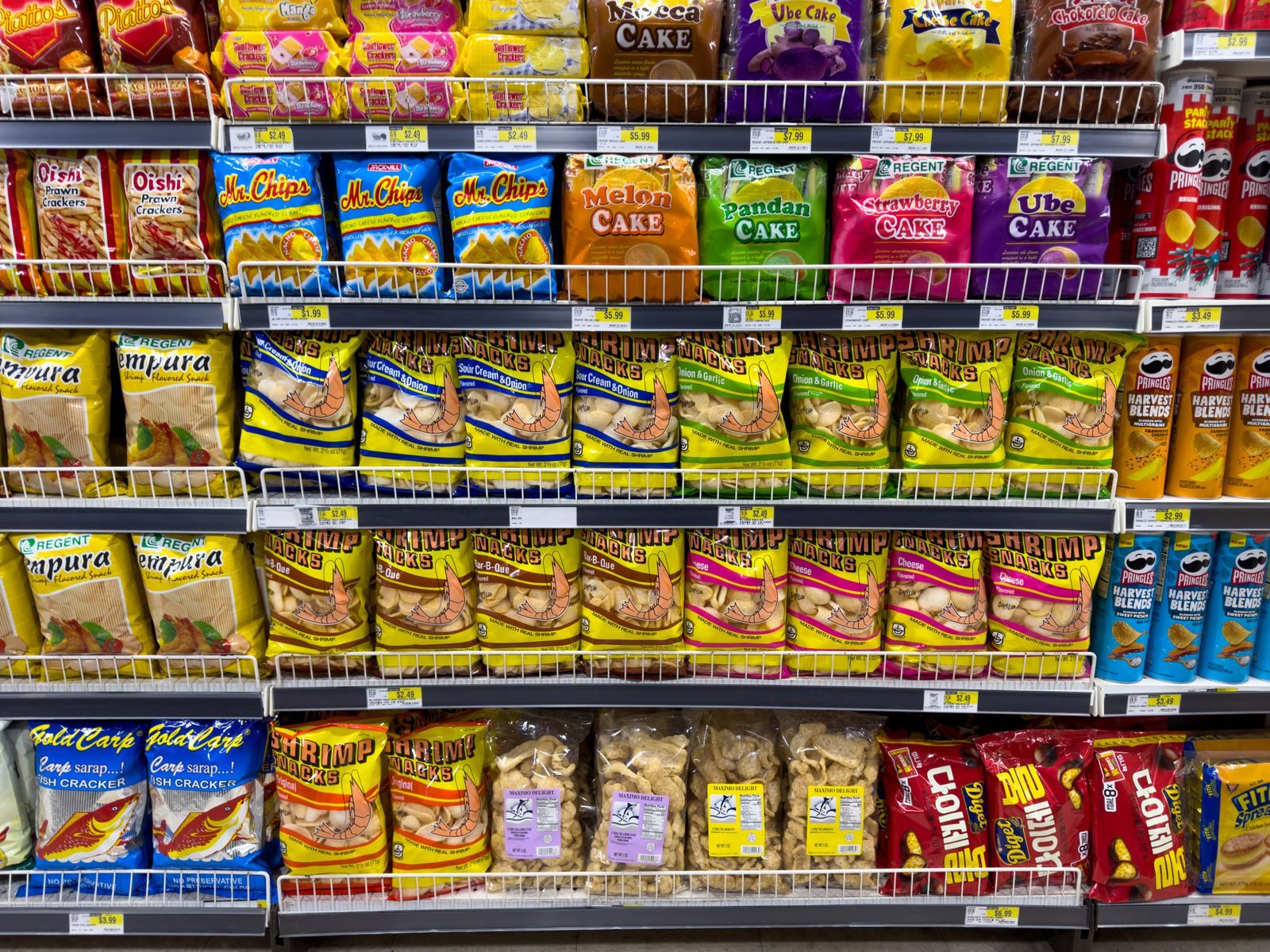
Because each warning has a fixed share of the principal display panel, brand owners will need room on the front of their packs for one, two or three hexagons, depending on a product’s nutrient profile. The size and font rules mean the warnings cannot be shrunk into a corner of the design.
The issue of packaging stock has already been raised in the case. In its affidavit, FSSAI proposed a single-phase rollout, sought four months to finalise draft regulations and proposed a 365-day voluntary implementation period. It said this period was needed to avoid “commercial hardships to the FBOs” (food business operators), which had pre-packaged material already printed in bulk.
Market Reaction and Industry Response
No statement from packaged food companies, packaging converters or their trade bodies on the judgment was found in the sources reviewed at the time of writing. LawBeat did not report separate industry arguments in the case.
What Happens Next?
The matter will be listed again after ten weeks, when FSSAI must file an affidavit on the progress of its draft new regulations, LawBeat reported. The final rules, including nutrient thresholds and font sizes, will decide how many products need warnings and how far pack artwork must change.
Background: the court reserved its orders on 28 September. On 30 January 2026, FSSAI had filed a compliance affidavit saying it would conduct further research and map a representative sample of packaged foods.
Frequently Asked Questions
What did the Supreme Court order on front-of-pack labels?
It ordered a separate hexagonal warning for each nutrient of concern, high fat, high sugar or high salt, with each hexagon covering 4% to 5% of the principal display panel.
Which nutrients will the warning thresholds be based on?
Thresholds must be based on total sugars and saturated fat rather than added sugar and added fat, along with salt.
When will the case be heard next?
It will be listed after ten weeks, when FSSAI must report progress on its draft regulations.
Source: LawBeat, 26 November 2026; Reuters (via Emirates 24|7), 26 November 2026.














Leave a comment