

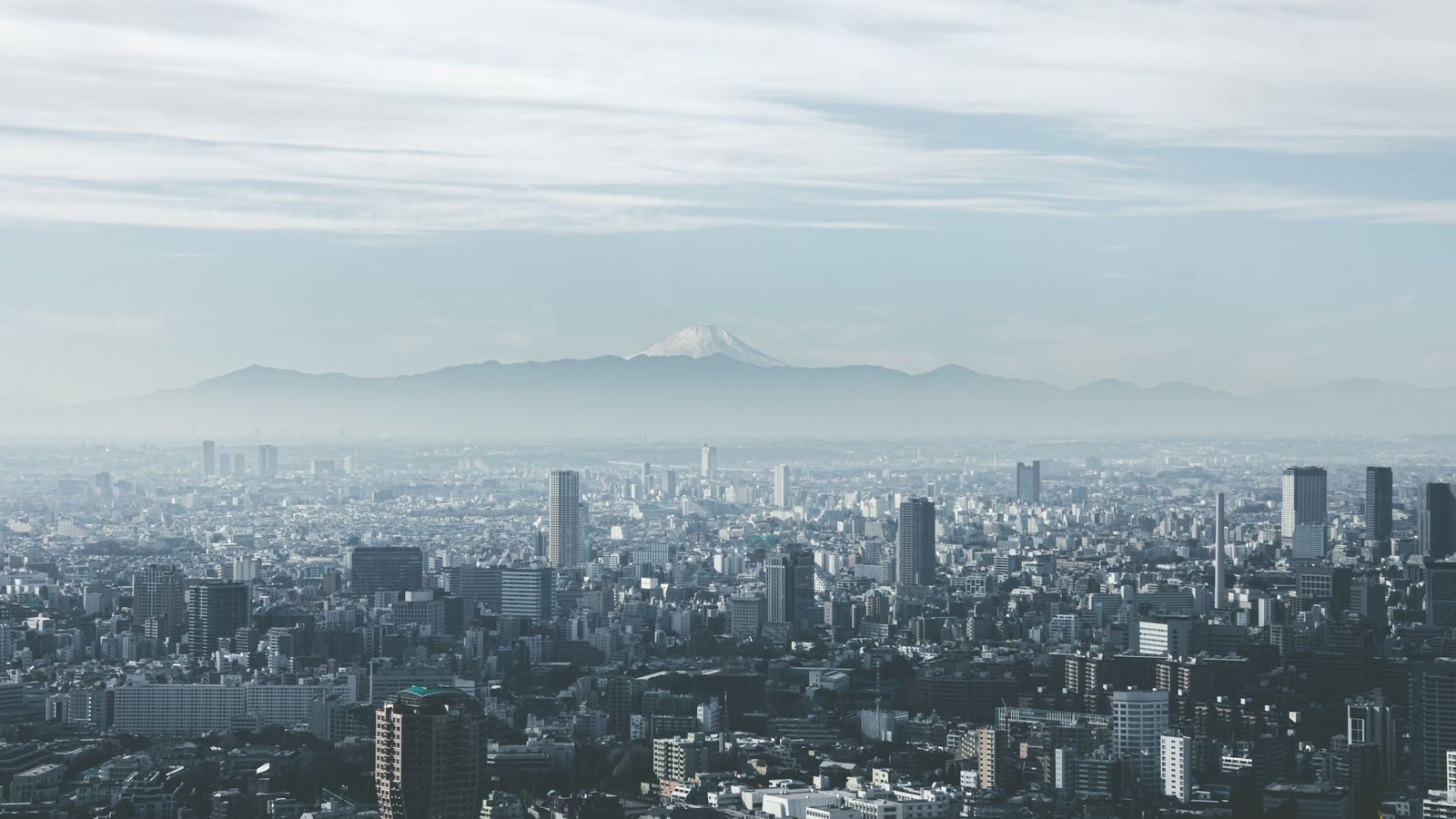
Tokyo core inflation rose to 2.9% year-on-year in November 2026 from 2.6% in October, the fastest pace in 16 months, according to preliminary data released on Friday, 27 November. The rise in Tokyo core inflation strengthens the case for a Bank of Japan (BOJ) interest rate hike at its December meeting.
The core consumer price index, which excludes fresh food but includes fuel, came in slightly below the 3.0% median market forecast, Reuters reported. Data from Japan’s Ministry of Internal Affairs and Communications showed core inflation in the capital has stayed above the BOJ’s 2% target for three straight months. Tokyo prices are seen as a leading indicator of nationwide trends.
What pushed Tokyo inflation higher?
The rise was partly due to the end of government utility subsidies, but prices also increased across food, daily necessities and hotel charges, Reuters said. Electricity bills rose 9.5% and city gas charges 13.7%, according to Xinhua, and nine of the ten major categories surveyed rose from a year earlier. Higher energy costs linked to Middle East tensions and a weak yen raising import prices also added to pressure.
An index excluding both fresh food and fuel, which the BOJ watches as a better gauge of trend inflation, rose 2.5% in November after 2.6% in October.
What it means for Bank of Japan rates
The BOJ’s policy rate stands at 1.25% after a hike in September. It held rates in October but said underlying inflation has roughly reached its 2% target. A majority of analysts polled by Reuters expect a hike in December and another by end-March.
BOJ board member Naoki Tamura said on Thursday the bank “must respond swiftly to signs of an inflation overshoot.” Masato Koike, senior economist at Sompo Institute Plus, expects core inflation to accelerate because of higher energy prices tied to the Middle East conflict. His baseline is a hike next month, though he said the BOJ could skip December if market instability over AI and chip prospects persists.
Market and Trade Reaction
No specific market reaction to the Tokyo data was found in the reports reviewed. Reuters noted that a weak yen is raising import costs and adding to inflation pressure in Japan.
What Happens Next?
The BOJ’s two-day policy meeting ends on 18 December, the same day Japan releases its nationwide November CPI. Markets expect a rate hike at that meeting.
Frequently Asked Questions
What was Tokyo core inflation in November 2026?
2.9% year-on-year, up from 2.6% in October and the fastest pace in 16 months.
What is the Bank of Japan’s current policy rate?
1.25%, after a hike in September 2026.
When is the next BOJ policy decision?
The two-day meeting ends on 18 December 2026.
Source: Reuters (via Investing.com), 27 November 2026; Xinhua, 27 November 2026.





Leave a comment