

India’s railway infrastructure expansion is creating rising demand for high-performance rail coatings, particularly those meeting Research Designs and Standards Organisation specifications for extreme environments. The Chenab Bridge project, often described as one of India’s most demanding engineering achievements, has intensified focus on protective coatings capable of withstanding harsh weather, UV exposure, and long-term corrosion stress.
Rail bridges face unique coating challenges. In addition to environmental corrosion, they are exposed to vibration stress, thermal cycling, and continuous operational load. Coatings must therefore deliver strong adhesion, flexibility, and crack resistance, ensuring long-term integrity under structural movement.
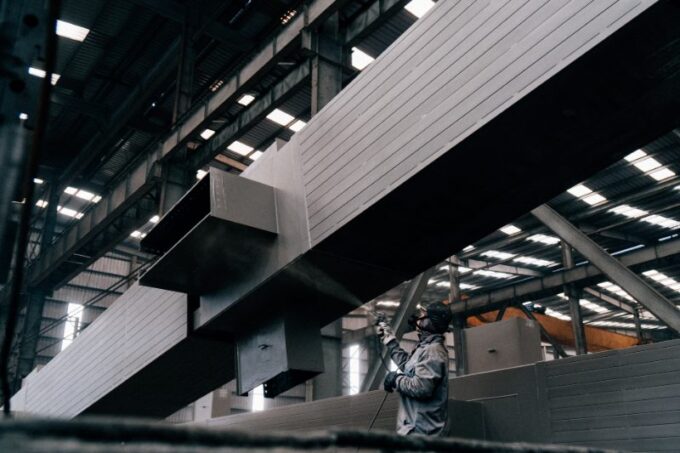
RDSO specifications require rigorous testing for salt spray resistance, impact tolerance, abrasion durability, and long-term weatherability. Protective coating systems often include zinc-rich primers for cathodic protection, epoxy intermediate coats for barrier resistance, and polyurethane or polysiloxane topcoats for UV stability.
The Chenab Bridge has set a new benchmark because of its extreme climatic exposure, including high winds, seasonal snow conditions, and temperature variation. Coating systems used in such projects must ensure long maintenance intervals, as repainting in remote high-altitude environments is costly and operationally difficult.
For Indian coatings manufacturers, meeting railway standards is becoming a strategic growth pathway. As freight corridors and high-speed rail projects expand, demand for certified rail coatings is expected to rise sharply.
The rail coatings segment represents a high-volume, high-accountability market. Manufacturers that achieve consistent compliance and performance reliability will gain long-term institutional contracts and strengthen their position in infrastructure coatings.










Leave a comment