

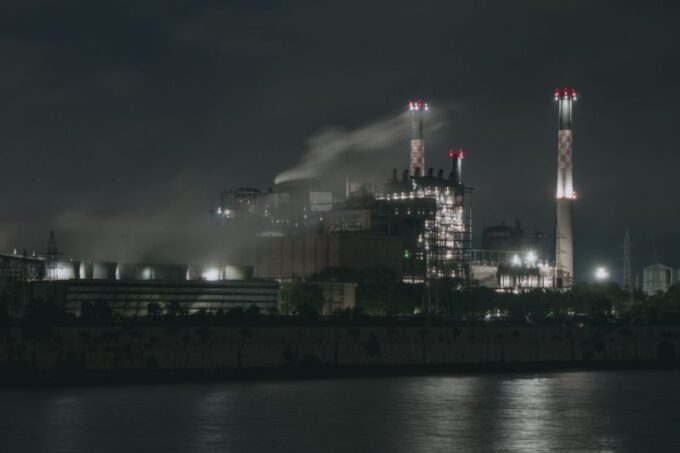
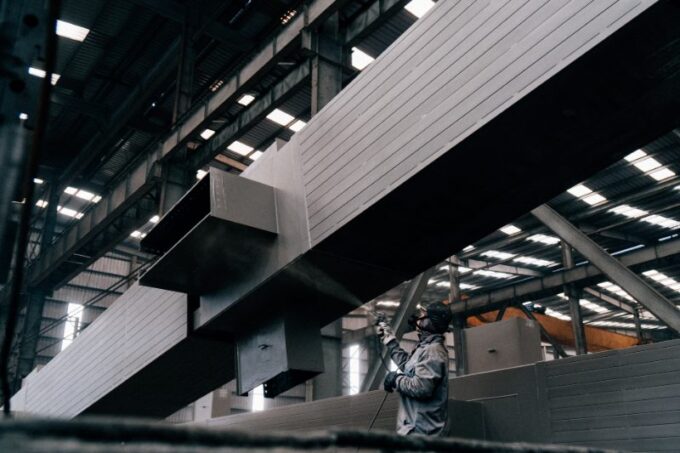
Automotive paint finishing lines are energy hogs. Industrial coating application must be baked in massive ovens — typically at 120 to 160 degrees Celsius for 20 to 30 minutes. For a factory painting 500 vehicles daily, these ovens consume megawatts of electricity continuously. Over decades of factory operation, energy consumption for paint curing exceeds all other manufacturing processes combined.
Low-temperature curable paints represent breakthrough technology. New formulations cure effectively at 60 to 80 degrees Celsius, reducing energy consumption by 40 to 50 percent. For a major automotive facility, this translates to electricity savings of Rs 10 to 20 crore annually recovering paint material cost premiums within months.
The chemistry involves specialised polymers and crosslinkers that react efficiently at lower temperatures — isocyanate-based polyurethane systems dominate, but emerging chemistries using different curing mechanisms are expanding options. Government policies amplify the incentive — environmental compliance regulations increasingly require industrial energy consumption reduction. Low-temperature curable paints provide direct pathway to compliance while improving economics. The adoption curve is accelerating.







Leave a comment