

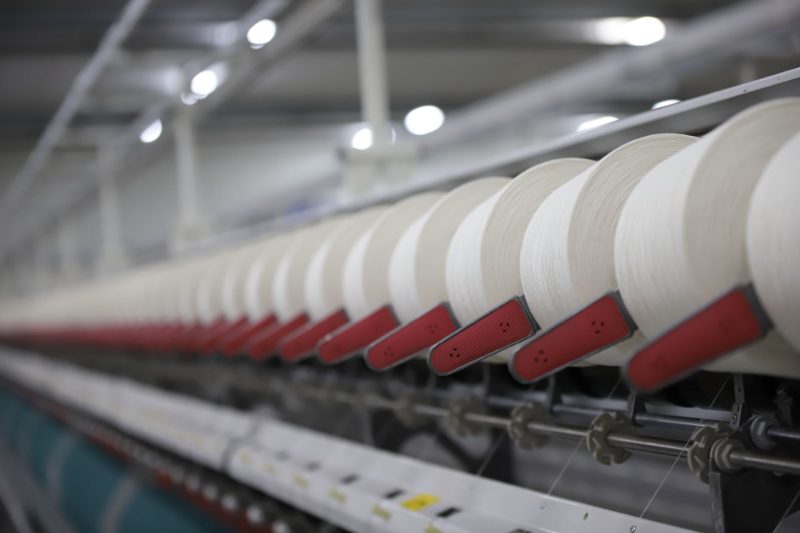
India’s cotton import duty suspension, which scraps the 11% customs levy on raw cotton imports from June 1 through October 31, 2026, is delivering direct cost relief to spinning mills and textile exporters nationwide. The move has already lifted textile stocks, with Gokaldas Exports gaining 6% to Rs 734.8 and Arvind Ltd touching a 52-week high of Rs 502.8 as investors price in lower input costs.
The Centre’s decision to suspend the cotton import duty, announced by the finance ministry, follows an earlier temporary waiver that ran from August 19 to September 30, 2025, when the same 11% duty plus the Agriculture Infrastructure and Development Cess were dropped to zero. This time the government has extended the window to five months, giving mills in Tiruppur, Coimbatore, and Ichalkaranji greater room to plan raw cotton procurement. The policy comes as domestic cotton prices remain under pressure from dry weather concerns in central and northern growing regions, even as global cotton futures hover near 77.72 US cents a pound as of early July 2026.
Why Did India Suspend the Cotton Import Duty?
The government has stated the cotton import duty suspension is “necessary in the public interest,” aimed at protecting textile jobs and export competitiveness at a moment when Indian apparel makers were already absorbing steep US tariffs of up to 50% before the recent interim trade framework cut that rate to 18%. By removing the duty, the Centre is allowing spinning mills to import premium extra-long-staple cotton varieties more cheaply, easing a supply gap left by uneven domestic output. Cotton output has been squeezed by concerns over a possible Super El Niño pattern, with India expected to see below-average rainfall in key sowing regions over the coming weeks, a risk that has kept domestic mills cautious about relying solely on local supply.
What Does This Mean for the Textile Supply Chain?
For spinning mills, the cotton import duty suspension translates directly into lower input costs at a time when cotton yarn prices in South India have shown a mixed trend, with Tiruppur rates recently easing on cautious buying even as fibre costs stayed elevated. Lower-cost imported cotton helps mills stabilize yarn pricing for downstream garment exporters, who are simultaneously benefiting from the tariff cut in the US market. Analysts expect the combined effect of cheaper cotton and lower export tariffs to show up in margins first at composite players like Arvind and Gokaldas Exports, and later at pure-play spinners who supply yarn to weaving and knitting units across Gujarat, Tamil Nadu, and Punjab.
Market Reaction and Industry Response
The stock market response was immediate and broad-based: KPR Mill, Indo Count Industries, and Gokaldas Exports all rallied as much as 9% in the sessions following the announcement, according to trading data. Brokerage Motilal Oswal has flagged that Gokaldas Exports’ core earnings margin, which stood at 9.7% in the third quarter of fiscal 2026, could climb to the early double digits in fiscal 2027 as both the tariff relief and cotton cost savings compound. Industry voices, including trade bodies representing Tiruppur’s knitwear exporters, have welcomed the move but cautioned that the relief is temporary and tied to an October 31 expiry, urging the government to consider a longer-term duty structure to give mills confidence for multi-year contracts.
What Happens Next?
The key date to watch is October 31, 2026, when the current cotton import duty suspension is set to lapse unless extended. Mills and trade bodies are expected to lobby for either a further extension or a permanent restructuring of the duty, especially if domestic cotton output disappoints due to weather-related sowing delays. Meanwhile, the upcoming Bharat Tex 2026 expo in New Delhi from July 14-17, featuring more than 1,600 exhibitors and 7,000 international buyers, will be a key forum where mills and global buyers discuss sourcing commitments shaped by both the cotton duty relief and the improved US tariff regime. Cotton sowing progress reports over the next four to six weeks will also be closely tracked, since a weak monsoon could offset some of the cost benefits the duty suspension is meant to deliver.
Frequently Asked Questions
What is the India cotton import duty suspension?
It is the government’s decision to remove the 11% customs duty on raw cotton imports from June 1 to October 31, 2026, allowing textile mills to import cotton without the standard tariff to ease raw material costs.
Which companies benefited most from the cotton import duty suspension?
Gokaldas Exports, Arvind Ltd, KPR Mill, and Indo Count Industries all saw stock gains following the announcement, with Gokaldas rising 6% to Rs 734.8 and Arvind touching a 52-week high of Rs 502.8.
When does the current cotton import duty suspension expire?
The suspension is set to expire on October 31, 2026, after which the government will decide whether to extend the waiver, restructure the duty, or reinstate the previous 11% rate.









Leave a comment