

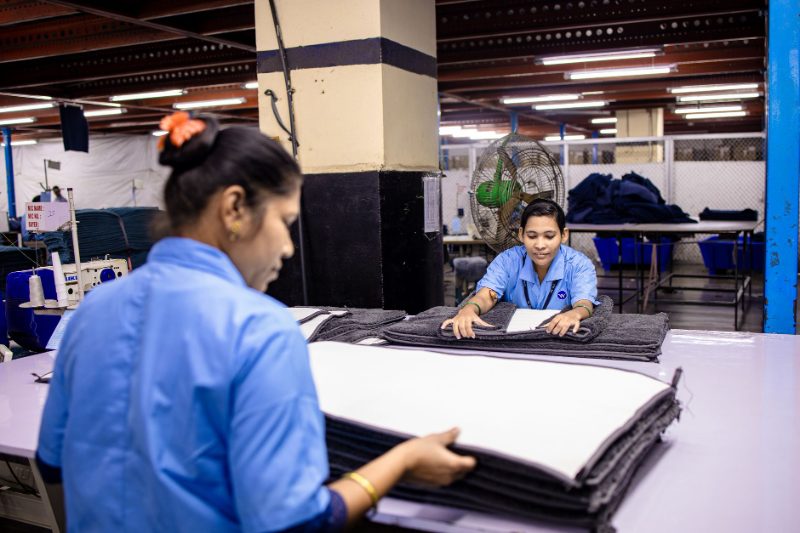
India’s textile tariff cut to 18% under a new interim trade framework with the United States has triggered a sharp rally in exporter stocks, with Gokaldas Exports and Arvind Ltd jumping as much as 7% in a single session. The reduction, down from a punitive 50% duty imposed earlier, puts Indian apparel and made-ups exporters on near-equal footing with rivals in Vietnam and Bangladesh, who face effective US tariffs of around 19-20%.
The interim framework was unveiled last week between New Delhi and Washington, and it directly targets the tariff overhang that had squeezed Indian textile exporters through much of fiscal 2026. Gokaldas Exports shares climbed 6.5% to trade at Rs 832.1 apiece, while Arvind Ltd, which supplies global retailers including Gap Inc, surged nearly 7% to Rs 393.90. The US is India’s single largest textile export market, making the tariff reduction a direct earnings lever for Bengaluru-based Gokaldas and Ahmedabad-headquartered Arvind alike.
Why Did the India Textile Tariff Cut Happen Now?
The tariff cut follows months of negotiation as India pushed to protect its roughly $32.63 billion textile and apparel export sector, of which ready-made garments alone account for $14.53 billion, or 45% of the total, based on FY26 data covering April to February. Washington’s earlier 50% duty on Indian textile shipments had made Indian goods less competitive against Bangladesh and Vietnam, prompting buyers to shift sourcing. Brokerage Motilal Oswal noted that India’s normalized tariff rate now narrows the gap with these competing hubs to just 1-2 percentage points, restoring India’s cost advantage in categories like woven bottoms, denim, and home textiles.
What Does This Mean for the Broader Textile Sector?
The India textile tariff cut has implications well beyond Gokaldas and Arvind. A Bloomberg-compiled equal-weight gauge of eight listed textile exporters has climbed more than 30% so far in 2026, even as the benchmark Nifty 50 index has declined about 8% over the same period. Indo Count Industries, which supplies bed linen to Walmart and Target, has soared 54% year-to-date, while SP Apparels has gained 60%. Supply chains centered in Tiruppur, Ludhiana, and Ahmedabad are expected to see renewed order inflows as US buyers reassess sourcing allocations previously diverted to Southeast Asia during the high-tariff period.
Market Reaction and Industry Response
Institutional investors have moved quickly to capture the rally, with SBI Funds Management and Quant Mutual Fund both raising stakes in textile companies in recent months. Motilal Oswal has initiated coverage on Gokaldas Exports with a Buy rating and a target price of Rs 1,110, and on Arvind with a target of Rs 670, implying further upside from current levels. Industry body the Confederation of Indian Textile Industry (CITI) has welcomed the tariff reduction as a stabilizing factor, though it has also flagged that a full trade agreement, rather than an interim framework, is needed to lock in long-term certainty for exporters planning capacity expansion.
What Happens Next?
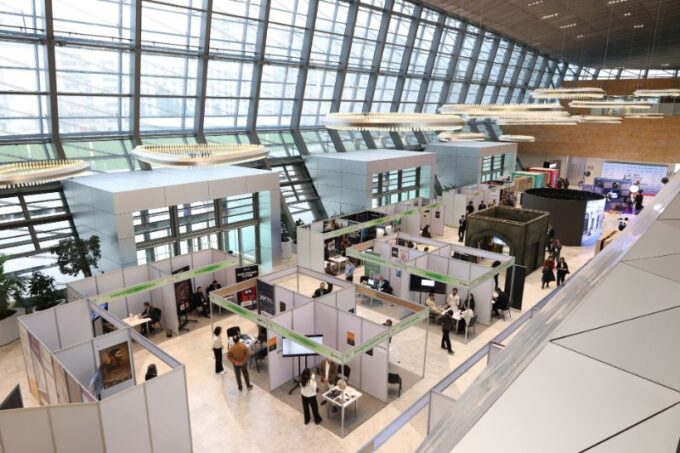
Attention now turns to whether the interim framework converts into a comprehensive India-US trade agreement, which negotiators are reportedly still finalizing. Separately, India is set to implement its trade accord with the UK this month and is in the final stages of concluding a deal with the European Union, both of which could compound tariff advantages for Indian exporters. Analysts will watch Gokaldas Exports’ fiscal 2027 margins closely, with expectations that core profit margins could rise to early double digits from 9.7% in the third quarter of fiscal 2026, as lower tariffs and cheaper cotton work through the cost base simultaneously. The Bharat Tex 2026 expo in New Delhi from July 14-17, drawing over 1,600 exhibitors and 7,000 international buyers, is likely to be the next major venue where deal-driven sourcing commitments get formalized.
Frequently Asked Questions
What is the new US tariff rate on Indian textile exports?
Under the interim trade framework, the US has cut reciprocal tariffs on Indian textiles, apparel, and made-ups to 18%, down from a previous rate of around 50% on certain categories.
Which Indian textile stocks rallied the most after the tariff cut?
Gokaldas Exports and Arvind Ltd led gains, rising up to 7% in early trade, while Indo Count Industries and SP Apparels have posted year-to-date gains of 54% and 60% respectively on broader trade-deal optimism.
How does the India textile tariff cut affect competitiveness against Bangladesh and Vietnam?
The 18% rate brings India roughly on par with Bangladesh and Vietnam, which face effective tariffs of about 19-20%, reversing a competitive disadvantage that existed when Indian goods faced 50% duties.







Leave a comment