

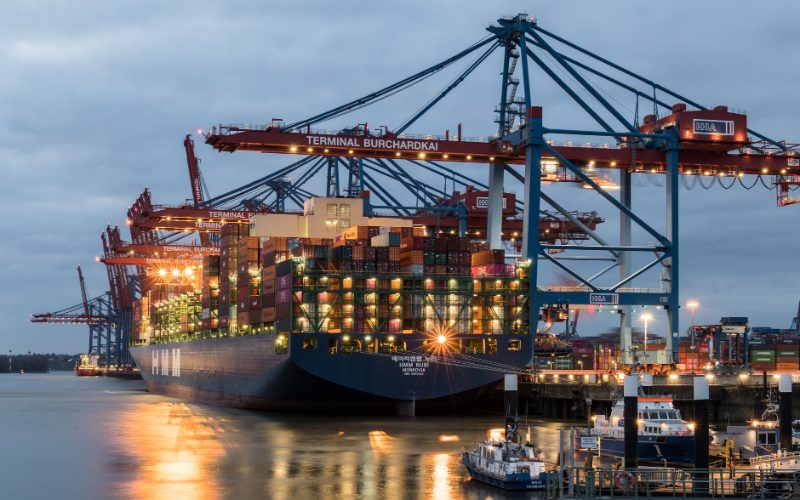
The India-EU Free Trade Agreement, concluded in January 2026, is now moving into its implementation phase, marking one of the most significant trade pacts New Delhi has signed with a major economic bloc. The India EU FTA covers goods, services and digital trade, and is expected to phase out tariffs on a large share of bilateral trade over the coming years.
Officials from the Ministry of Commerce and Industry have confirmed that the agreement builds on years of negotiation and is designed to deepen regulatory alignment between India and the 27-member European Union, India’s largest trading partner bloc by combined trade value. Implementation is being coordinated alongside India’s other 2026 trade pacts, including the CETA with the United Kingdom and CEPA with Oman.
How Will the India-EU FTA Affect Indian Manufacturers and Exporters?
The agreement is expected to benefit labour-intensive export sectors such as textiles, leather, gems and jewellery, and engineering goods by reducing EU import tariffs that currently range up to 12% in several categories. Indian pharmaceutical and IT services exporters are also expected to gain from improved market access provisions and mutual recognition arrangements. On the import side, European automobile, wine and dairy exporters are likely to see phased tariff reductions into the Indian market, prompting domestic industry to seek longer phase-in periods for sensitive categories.
What Do Economists and Industry Bodies Say?
Trade economists have described the India EU FTA as a structural shift away from what one Carnegie Endowment analysis called the “zombie state” of India’s trade agreement pipeline, where talks stalled for over a decade before concluding this year. CII and FIEO have both issued statements calling the deal a net positive for export competitiveness, while flagging that domestic auto component makers and dairy cooperatives will need transition support as EU-origin goods gain easier market access.
Market and Trade Reaction
Export-oriented sectors including textiles and pharmaceuticals saw modest sector gains on Indian exchanges following confirmation of the deal’s implementation timeline, while auto ancillary stocks were more muted on competitive concerns. Bilateral trade between India and the EU, currently valued at over $135 billion annually, is projected by government estimates to grow meaningfully once tariff reductions are fully phased in.
What Happens Next?
Both sides are now working through ratification and domestic notification processes required before tariff lines begin phasing down. The Ministry of Commerce is expected to publish sector-wise implementation schedules in the coming months, with the first tranche of tariff cuts anticipated within the current financial year.
Frequently Asked Questions
When was the India-EU FTA concluded?
The India-EU Free Trade Agreement was concluded in January 2026, following more than a decade of on-and-off negotiations between New Delhi and Brussels.
Which Indian sectors benefit most from the India EU FTA?
Labour-intensive export sectors such as textiles, leather, gems and jewellery, along with pharmaceuticals and IT services, are expected to see the largest gains from improved EU market access.
Does the India-EU FTA affect European car and dairy exports to India?
Yes, the agreement includes phased tariff reductions for European automobile, wine and dairy products entering the Indian market, though implementation timelines for these sensitive categories are longer.









Leave a comment