

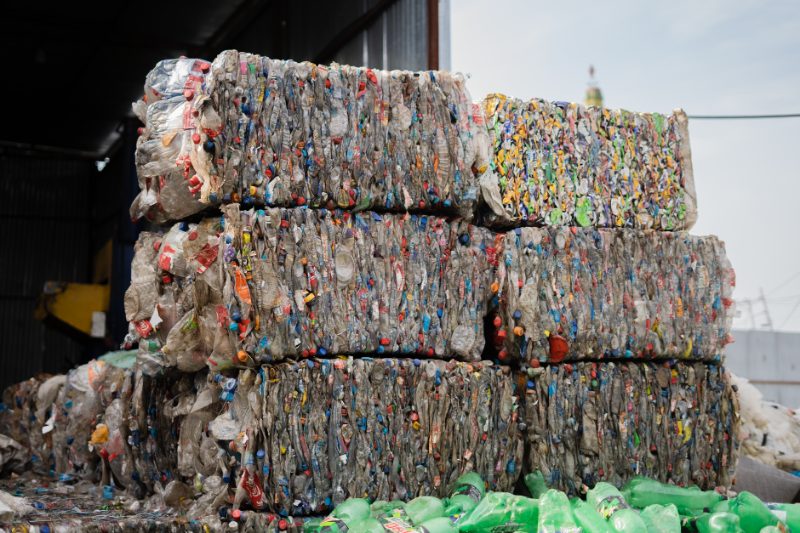
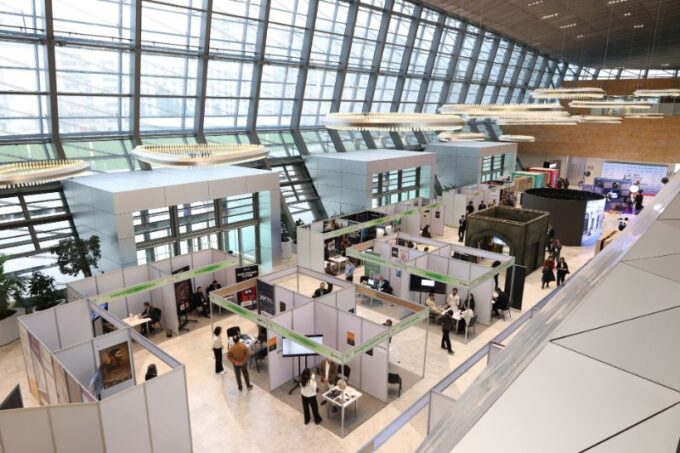
India’s plastics recycling India 2026 sector, already worth an estimated Rs 30,000 crore, is in the spotlight this week as the 3rd Global Conclave on Plastics Recycling and Sustainability opened at Bharat Mandapam in New Delhi, running from July 2 to July 5, 2026. The event brings together recyclers, technology suppliers, plastics processors, policymakers and major consumer goods companies to chart the next phase of India’s circular plastics economy.
The conclave arrives as India’s overall plastics industry, valued at roughly $47.04 billion in 2026, pushes toward a projected $63.69 billion by 2031 at a compound annual growth rate of 6.24%, according to Mordor Intelligence. Recycling has emerged as a critical piece of that growth story, both to meet extended producer responsibility rules and to feed rising demand for recycled content in packaging, textiles and construction materials.
Why Is the Plastics Recycling Conclave Important for India in 2026?
The Global Conclave on Plastics Recycling and Sustainability matters because India is trying to close a widening gap between plastic waste generation and formal recycling capacity, even as regulations under the Plastic Waste Management Rules push brand owners toward mandatory recycled-content targets. Industry estimates cited at the event put India’s domestic recycling industry at close to Rs 30,000 crore currently, with strong projected expansion over the next decade as global consumer goods companies commit to higher recycled-plastic usage in packaging. Policymakers attending the four-day event are expected to discuss incentive frameworks, extended producer responsibility compliance and technology upgrades needed to formalise India’s still-largely informal recycling sector.
What Does This Mean for India’s Plastics Industry?
For plastics processors and packaging companies, the conclave signals that recycled content is shifting from a compliance checkbox to a genuine growth segment. Major production expansions elsewhere in the value chain, including Reliance Industries’ 1.5 MTPA PVC complex and Adani’s 2 MTPA PVC build-out, are expected to narrow India’s roughly 2.5 million tonne local supply gap in virgin plastics by 2027, but recyclers argue that parallel investment in collection and sorting infrastructure is just as critical to meeting sustainability targets. Trade groups say the conclave’s focus on recycling technology could accelerate investment in mechanical and chemical recycling plants across states like Gujarat, Maharashtra and Tamil Nadu, where plastics manufacturing clusters are concentrated.
Market Reaction and Industry Response
Exhibitors and delegates at Bharat Mandapam have highlighted new mechanical recycling technologies and partnerships between recyclers and packaging giants seeking to hit recycled-content commitments. Industry bodies representing plastics processors have welcomed the government’s continued backing for events like the Global Conclave, framing it as evidence that India intends to compete globally on sustainable plastics rather than simply scaling up virgin polymer output. Some recyclers, however, note that financing remains a bottleneck for small and mid-sized recycling units trying to upgrade from informal, low-tech operations to certified, export-ready facilities. Banks and development finance institutions present at the conclave discussed blended-finance models that could help smaller recyclers access the working capital needed for baling, washing and pelletising equipment upgrades.
What Happens Next?
Following the conclave’s conclusion on July 5, attention will turn to how quickly announced technology partnerships and investment commitments translate into new recycling capacity on the ground. Industry watchers expect the government to use insights from the event to refine extended producer responsibility enforcement ahead of India Chem 2026, the country’s flagship chemicals and petrochemicals exhibition scheduled for October in Mumbai. Companies across the plastics value chain will also be watching whether Reliance’s and Adani’s new PVC capacity additions ease raw material costs enough to free up capital for recycling infrastructure investment. Export-oriented plastics manufacturers are separately eyeing a target of $20 billion in plastics exports by 2030, and delegates say a stronger domestic recycling base would help Indian exporters meet the recycled-content requirements increasingly demanded by buyers in Europe and North America.
Frequently Asked Questions
What is the Global Conclave on Plastics Recycling and Sustainability?
It is a four-day industry event held from July 2 to 5, 2026 at Bharat Mandapam in New Delhi, bringing together recyclers, technology suppliers, plastics processors and policymakers to advance India’s plastics recycling India 2026 agenda.
How big is India’s plastics recycling industry?
India’s domestic plastic recycling industry is currently estimated at around Rs 30,000 crore and is projected to expand strongly over the next decade as recycled-content mandates and consumer demand grow.
How large is India’s overall plastics industry in 2026?
India’s plastics industry is projected at approximately $47.04 billion in 2026, growing at a 6.24% compound annual rate to reach $63.69 billion by 2031, according to Mordor Intelligence.









Leave a comment