

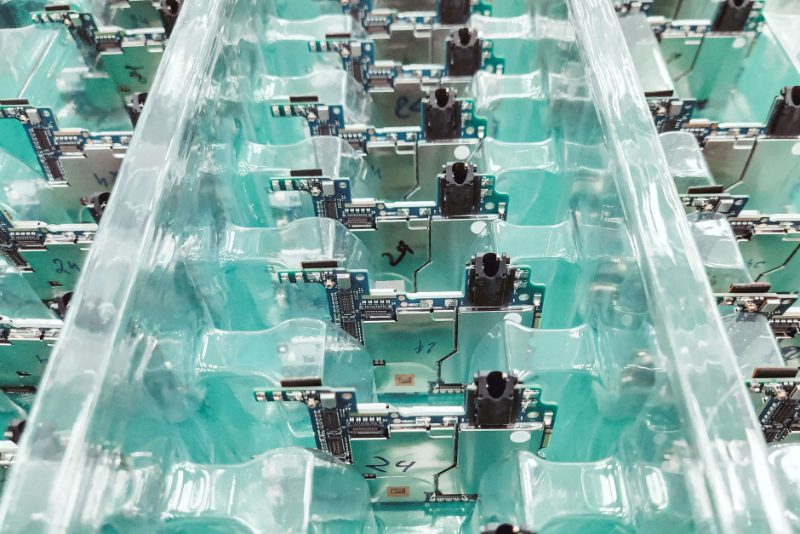
India’s semiconductor assembly ambitions took a concrete step forward on July 5, 2026, when Prime Minister Narendra Modi inaugurated the CG Semi Outsourced Semiconductor Assembly and Test (OSAT) facility in Sanand, Gujarat. The OSAT semiconductor facility is one of the first of its kind in India and is designed to assemble, package, and test chips domestically instead of relying on overseas fabs.
The plant is a joint venture involving Indian, Japanese, and Thai partners, and sits alongside other chip-related projects already coming up in Sanand’s growing electronics corridor. At the launch event, PM Modi said India’s youth would drive the next wave of AI, robotics, and advanced technology using semiconductors “designed in India, made in India.”
Why Does India Need Its Own OSAT Semiconductor Facility?
Until now, most chips designed or imported into India had to be sent abroad for packaging and testing, adding cost and delay. An OSAT semiconductor facility on Indian soil shortens that supply chain, reduces dependence on Taiwan, China, and Southeast Asian assembly hubs, and gives domestic electronics, automotive, and telecom manufacturers a local source for tested chips. The Sanand facility is expected to create thousands of skilled manufacturing jobs in Gujarat over the next few years.
What Does This Mean for India’s Tech and Electronics Industry?
For Indian tech companies building hardware — from EV battery management systems to telecom equipment — a domestic OSAT semiconductor facility means shorter lead times and lower currency risk on imported components. It also strengthens India’s pitch to global electronics brands looking to diversify manufacturing away from a single country. Industry watchers expect more OSAT and fabrication announcements to follow as the India Semiconductor Mission expands incentives for chip assembly and packaging plants.
Industry Reaction and Expert Commentary
Semiconductor industry bodies welcomed the launch as proof that India’s “Design in India, Make in India” push is moving from policy to production. Officials at the event highlighted the facility’s international partnership structure as a model for future OSAT investments, noting that combining Indian capital with Japanese and Thai technical expertise speeds up execution compared to fully domestic projects. Startups in the applied AI and hardware space, part of India’s over two lakh startups — nearly 90% of which use AI in some form — see the facility as a signal that local chip supply will improve over time.
What Happens Next?
CG Semi is expected to ramp up production capacity at the Sanand site over the coming quarters, with hiring and vendor onboarding already underway. The India Semiconductor Mission is reviewing additional OSAT and display fab proposals, and more inaugurations are expected in Gujarat and other states through 2026 and 2027 as the broader chip ecosystem — design, fabrication, assembly, and testing — takes shape.
Frequently Asked Questions
What is an OSAT semiconductor facility?
OSAT stands for Outsourced Semiconductor Assembly and Test — a facility that packages raw silicon chips into usable components and tests them for quality before they go into devices, rather than designing or fabricating the silicon itself.
Where is the new CG Semi OSAT facility located?
The facility is located in Sanand, Gujarat, and was inaugurated by Prime Minister Narendra Modi on July 5, 2026, as part of India’s growing semiconductor manufacturing corridor.
How will this facility affect Indian electronics manufacturers?
It gives Indian companies a domestic option for chip assembly and testing, cutting reliance on overseas OSAT hubs, shortening supply chains, and supporting India’s broader push to build a complete local semiconductor ecosystem.










Leave a comment