

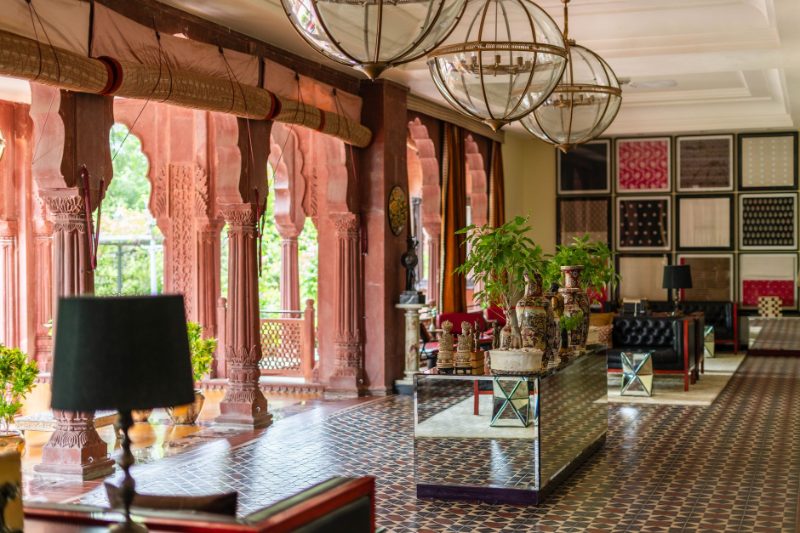
India’s hospitality sector is entering a new growth phase built on diversified demand from corporate travel, leisure short-breaks, and MICE and social gatherings, rather than any single demand driver, according to industry commentary published this week. The India hospitality MICE growth trend is being reinforced by strong Q1 2026 performance, with national hotel occupancy at 67-69% and average room rates around Rs 10,000-10,200, while March 2026 saw most markets post double-digit ADR growth with occupancy above 75% nationally.
Industry voices point to adaptability and guest experience as the key differentiators for hotels and resorts competing in this environment, with brands increasingly designing properties and services to serve corporate travellers on weekdays, leisure guests on weekends, and MICE (Meetings, Incentives, Conferences and Exhibitions) groups and social events across the calendar.
Why Is MICE Demand Becoming Central to India’s Hotel Growth?
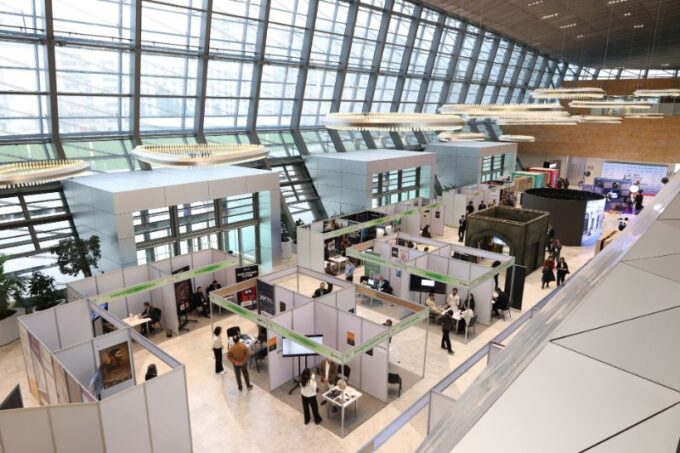
Unlike pure leisure or business travel, MICE demand fills hotel capacity across weekdays and off-peak seasons, smoothing out the revenue volatility that hotels dependent on a single guest segment typically face. As corporate conferences, incentive travel, association meetings and large-scale exhibitions expand across Indian cities, hotels with strong banqueting, event and meeting infrastructure are capturing a growing share of this multi-stream demand.
This shift is particularly visible as India’s exhibition and convention infrastructure expands beyond metro hubs like Delhi-NCR, Mumbai, Bengaluru and Hyderabad into secondary and tertiary cities, bringing MICE-driven hotel demand to markets that previously relied almost entirely on leisure or transient business travel.
What Does This Mean for Hotel Operators and Investors?
For hotel brands and investors, the message is clear: properties built or repositioned to serve multiple demand streams simultaneously — corporate, leisure and MICE — are better positioned to sustain occupancy and rate growth than single-segment properties. Adaptability in guest experience, from flexible meeting spaces to F&B and service customisation for different traveller types, is emerging as a core competitive differentiator rather than a nice-to-have.
With branded hotel supply continuing to expand into Tier II and Tier III cities such as Jaipur, Kochi and Nashik, supported by improving air and rail connectivity, operators that can serve local corporate and MICE demand alongside leisure travel stand to benefit most from this broader-based growth.
Industry Reaction and Expert Commentary
Hospitality leaders point to India’s strong Q1 2026 occupancy and rate data as evidence that demand is now structurally diversified rather than dependent on any single travel season or segment. The convergence of corporate, leisure and MICE demand streams is being described as a defining feature of India’s current hospitality growth cycle, distinguishing it from prior cycles driven primarily by either business or leisure travel alone.
What Happens Next?
Hotel operators are expected to continue investing in flexible event and meeting infrastructure to capture MICE demand alongside traditional corporate and leisure bookings. Industry watchers will be tracking whether occupancy and ADR growth trends seen in Q1 2026 sustain through the rest of the year as more branded supply enters Tier II and Tier III markets.
Frequently Asked Questions
What is driving India’s hospitality growth in 2026?
India’s hospitality growth is being driven by diversified demand streams — corporate travel on weekdays, leisure short-breaks on weekends, and MICE and social gatherings — rather than any single demand source.
How strong was Indian hotel occupancy in early 2026?
National hotel occupancy stood at 67-69% in Q1 2026, with average room rates around Rs 10,000-10,200, while March 2026 saw most markets post double-digit ADR growth and occupancy above 75%.
Why is MICE demand important for Indian hotels?
MICE demand helps hotels fill capacity across weekdays and off-peak periods, reducing dependence on leisure or business travel alone and smoothing revenue across the calendar year.








Leave a comment