

Nilkamal furniture Q2 FY26 revenue rose 18 percent year-on-year to approximately Rs 968 crore, driven by robust B2B demand and a roughly 23 percent surge in e-commerce sales. The result places India’s largest plastic and moulded furniture maker among the stronger performers in a furniture market that is itself expanding quickly, with India now the world’s fourth-largest furniture market.
Nilkamal’s growth came as the broader Indian furniture sector navigated a major regulatory shift, with the Furniture Quality Control Order mandating BIS/ISI certification for chairs, tables, beds, and storage units starting February 2026. Separately, TCC Concept’s roughly Rs 1,200 crore acquisition of online furniture retailer Pepperfry underscored continued consolidation and investor appetite in India’s furniture and home segment, which industry reports say is on track to reach USD 40 billion.
What Drove Nilkamal’s Strong Q2 FY26 Performance?
Nilkamal’s 18 percent revenue growth to about Rs 968 crore was anchored in two channels: institutional B2B orders, which continue to favor established, certification-ready manufacturers, and e-commerce, where sales jumped roughly 23 percent as more Indian households buy furniture online. The company’s scale in plastic moulded furniture, crates, and material handling products has historically insulated it from some of the raw-material volatility that smaller wooden furniture makers face.
What Does This Mean for the Wider Furniture Industry?
Nilkamal’s results arrive alongside the new furniture BIS certification mandate, which favors large, compliance-ready manufacturers over the fragmented unorganized sector that still supplies a significant share of India’s furniture. Meanwhide, TCC Concept’s Rs 1,200 crore purchase of Pepperfry signals that private capital sees consolidation opportunity across both manufacturing and online retail layers of the furniture value chain. Competitors are likely to accelerate e-commerce investment and certification compliance to match Nilkamal’s trajectory.
Market Reaction and Industry Response
Analysts covering the furniture and consumer durables space have flagged Nilkamal’s e-commerce growth rate as a signal that omnichannel furniture retail is maturing in India, not just in metro cities but increasingly in Tier 2 and Tier 3 markets. Industry watchers are also comparing Nilkamal’s organized-sector resilience with the compliance pressure facing smaller unorganized workshops under the new BIS certification regime, reinforcing expectations of further market share shifts toward large, branded manufacturers.
What Happens Next for Nilkamal and India’s Furniture Sector?
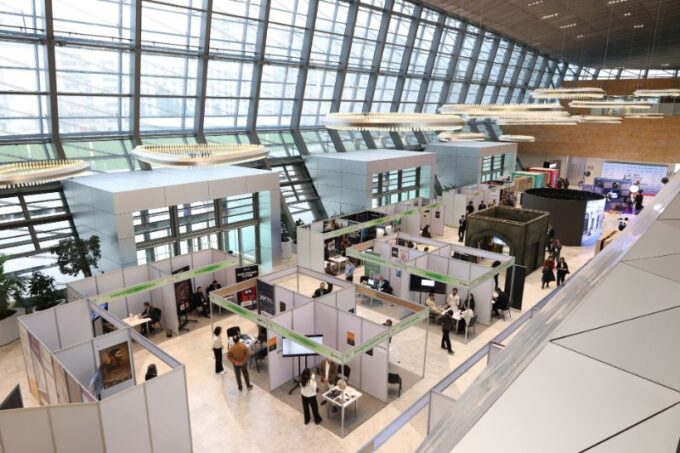
Investors will be watching Nilkamal’s H2 FY26 performance for whether the B2B and e-commerce momentum holds through the festive season, alongside how quickly the company and its peers complete BIS certification across covered product lines. The upcoming MumbaiWood 2026 trade show in September is expected to be a key venue for furniture manufacturers to showcase certified product lines and new manufacturing capacity.
Frequently Asked Questions
How much did Nilkamal’s revenue grow in Q2 FY26?
Nilkamal’s Q2 FY26 revenue rose approximately 18 percent year-on-year to about Rs 968 crore, driven by strong B2B demand and e-commerce growth.
What is driving Nilkamal’s e-commerce sales growth?
Nilkamal’s e-commerce sales grew roughly 23 percent as more Indian consumers shifted to buying furniture online, supported by the company’s existing distribution and manufacturing scale.
How does the new BIS certification rule affect Nilkamal?
As a large organized manufacturer, Nilkamal is better positioned than smaller unorganized furniture makers to absorb the compliance costs of the new mandatory BIS/ISI certification for furniture categories.









Leave a comment