


China has imposed anti-dumping duties of up to 30% on halogenated butyl rubber imported from India, Japan and Canada, forcing Indian exporters to seek alternative markets in ASEAN, Europe and Africa. The China anti-dumping rubber India move lands at a time when domestic natural rubber demand is itself projected to grow around 3.6% in 2026, driven largely by the automotive and electric vehicle sectors.
Halogenated butyl rubber, used mainly in tyre inner liners and specialty industrial applications, is a niche but strategically important segment for Indian rubber exporters. China’s duties, which can reach as high as 30% depending on the exporter, effectively price much of this Indian product out of one of its largest potential markets, pushing companies to redirect shipments to Southeast Asia, Europe and Africa instead.
Why Did China Impose Anti-Dumping Duties on Indian Rubber?
China’s move follows a pattern of anti-dumping investigations aimed at protecting its domestic rubber and chemicals manufacturers from what Beijing characterises as underpriced imports. For Indian exporters of halogenated butyl rubber, the duties — up to 30% — sharply reduce price competitiveness in the Chinese market, a significant blow given China’s scale as both a producer and consumer of rubber-based industrial products.
What Does This Mean for India’s Rubber Export Strategy?
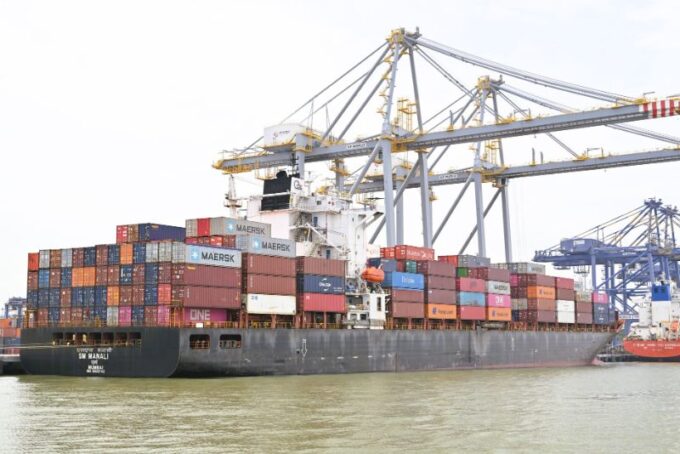
With China effectively closed off by the new duties, Indian rubber product exporters are pivoting toward ASEAN, European and African buyers to sustain export volumes. This comes as the global natural rubber market faces its own supply squeeze, with 2026 demand projected at 15.6 million tonnes against supply of 15.2 million tonnes — a deficit of roughly 400,000 tonnes — potentially giving Indian exporters some pricing leverage in these alternative markets even as China remains off-limits.
Market Reaction and Industry Response
India’s Rubber Board has responded by pushing initiatives such as the Indian Sustainable Natural Rubber (iSNR) programme and the INR Konnect platform, aimed at boosting the country’s rubber sector competitiveness and increasing domestic raw material availability. Industry bodies have called for 2026 policy interventions including rationalised import duties and stronger export incentives to help exporters absorb the impact of China’s new trade barriers.
What Happens Next for India’s Rubber Trade?
Watch for India’s rubber export data over the coming quarters to see how quickly exporters can redirect halogenated butyl rubber volumes to ASEAN, European and African markets. Any policy response from the Rubber Board or the Commerce Ministry on import duty rationalisation or new export incentives would be a key signal for the sector’s near-term trajectory.
Frequently Asked Questions
What rubber product is affected by China’s anti-dumping duties?
China’s anti-dumping duties, of up to 30%, apply to halogenated butyl rubber imported from India, Japan and Canada — a material used mainly in tyre inner liners and specialty industrial applications.
How is India responding to the loss of Chinese market access?
Indian exporters are redirecting halogenated butyl rubber shipments to ASEAN, European and African markets, while the Rubber Board pushes initiatives like iSNR and INR Konnect to strengthen the sector’s global competitiveness.
How is global natural rubber supply looking in 2026?
The global natural rubber market faces a projected deficit of about 400,000 tonnes in 2026, with demand estimated at 15.6 million tonnes against supply of 15.2 million tonnes, amid tight global supply conditions.










Leave a comment