

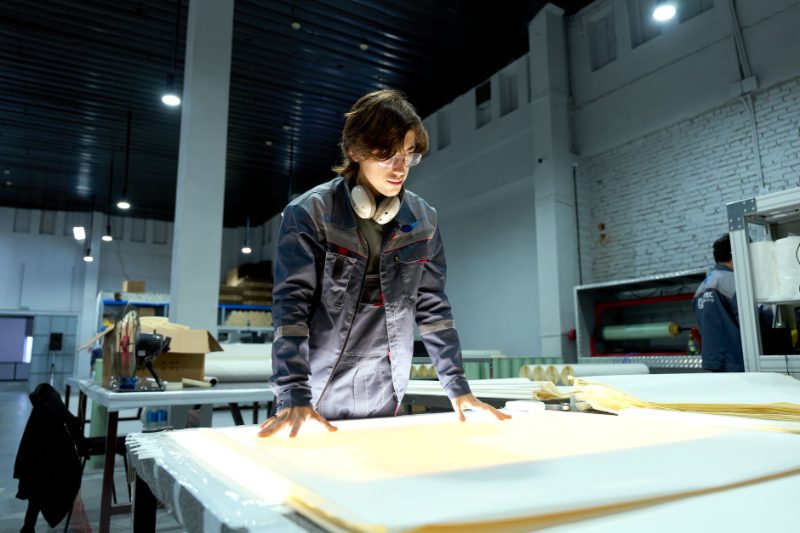
Tamil Nadu Newsprint and Papers Limited has begun installation of a new tissue machine at its Unit II mill in Mondipatti, Tamil Nadu, with equipment supplier ANDRITZ officially commencing the project. The move adds to a wave of India paper industry capacity additions as mills race to meet projected demand of 30 million tonnes by FY2027, which requires roughly 1 million tonnes of new capacity every year.
The TNPL project follows other recent capacity and efficiency milestones across India’s paper sector: Sainsons Paper Industries has commissioned a 12 MW Siemens turbine at its Kurukshetra facility, and Naini Papers has recorded its highest-ever production and dispatch figures on its PM3 machine since commissioning. Together, these developments point to accelerating investment even as the industry navigates near-term cost pressure from global shipping disruptions.
Why Is TNPL Expanding Tissue Paper Capacity in Tamil Nadu?
Tissue paper demand in India has been growing faster than traditional writing and printing paper segments, driven by rising hygiene consciousness, hospitality sector recovery, and quick-service restaurant growth. TNPL’s new tissue machine at Mondipatti positions the company to capture this demand shift while diversifying beyond its traditional newsprint and packaging board base. ANDRITZ’s involvement as technology partner signals the project is using modern, energy-efficient tissue-making technology designed to compete with imported tissue grades.
What Does This Mean for the Wider Indian Paper Industry?
TNPL’s expansion adds to a broader capacity build-out that the industry says is essential to avoid a supply gap, since India needs approximately 1 million tonnes of new paper-making capacity annually just to keep pace with projected 30 million tonne demand by FY2027. Sainsons’ new 12 MW turbine improves energy self-sufficiency at a time when energy costs are a major input pressure, while Naini Papers’ record PM3 output shows existing assets are also being pushed harder to meet near-term demand. Collectively, these moves suggest Indian paper makers are investing through the current cost cycle rather than pausing expansion.
Market Reaction and Industry Response
Industry analysts tracking pulp and paper capacity view TNPL’s tissue machine investment as a sign of confidence in domestic consumption growth, even as writing and printing paper prices rise 5-7 percent on global shipping disruptions. Paper trade publications have noted that capacity investments by TNPL, Sainsons, and Naini Papers collectively reduce India’s reliance on imported tissue and specialty paper grades, aligning with a broader push for domestic manufacturing self-sufficiency across the paper and packaging sector.
What Happens Next for TNPL and India’s Paper Capacity?
Watch for the commissioning timeline of TNPL’s new tissue machine at Mondipatti, further capacity announcements from other integrated paper mills chasing the FY2027 demand target, and whether energy investments like Sainsons’ new turbine become a template for other mills managing rising input costs.
Frequently Asked Questions
What is TNPL installing at its Tamil Nadu mill?
TNPL is installing a new tissue machine at its Unit II mill in Mondipatti, Tamil Nadu, with ANDRITZ as the technology and equipment partner for the project.
How much new paper capacity does India need each year?
India’s paper industry needs approximately 1 million tonnes of new capacity annually to meet projected demand of 30 million tonnes by FY2027.
What other capacity milestones has India’s paper industry recently hit?
Sainsons Paper Industries commissioned a 12 MW turbine at its Kurukshetra facility, and Naini Papers recorded its highest-ever production and dispatch figures on its PM3 machine.









Leave a comment