

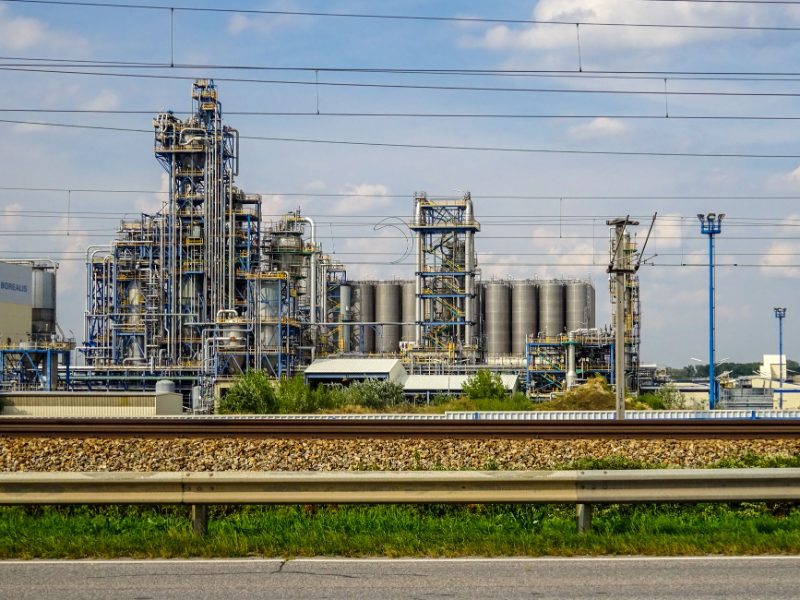
India’s chemical industry downturn 2026 will persist through the year, according to a new Deloitte assessment, as global overcapacity and soft demand keep production growth well below earlier expectations. Deloitte now projects global chemical production growth of just 2% for 2026, down sharply from the 3.5% recovery that had been anticipated when the sector was expected to turn a corner starting in 2025.
The revised outlook reflects a broader global pattern rather than a purely domestic issue, with 2025 production growth also undershooting expectations at 1.9% instead of the projected recovery pace. For India, which is targeting a chemicals and petrochemicals industry worth $400-450 billion by 2030 and as much as $1 trillion by 2040, the prolonged downcycle complicates near-term investment and capacity planning even as long-term growth ambitions remain intact.
Why Is India’s Chemical Industry Downturn Continuing Through 2026?
The chemical industry downturn 2026 is continuing primarily because global production capacity, added during the previous investment cycle, has outpaced actual demand growth, creating persistent overcapacity across commodity chemicals and petrochemicals. Deloitte’s analysis points to soft demand from key end-use sectors, including construction, automotive and consumer goods, as a key drag on volumes, compounded by continued global economic uncertainty that is keeping industrial buyers cautious about restocking and new capital projects. For Indian chemical manufacturers, this global overcapacity means competing against cheaper imports even as domestic demand growth remains comparatively resilient, squeezing margins for companies that had expected pricing power to improve in 2026.
What Does This Mean for India’s Chemical Sector?
India’s chemical and petrochemicals industry, already a globally significant player, faces a near-term gap between its long-term growth targets and the current cyclical downturn. While the sector is still projected to expand toward $400-450 billion by 2030, according to IBEF estimates, companies operating in commodity chemicals will likely need to navigate weak pricing and thin margins through 2026 before any meaningful recovery materialises. The downturn arrives just as major capacity additions elsewhere in the value chain, including new PVC plants from Reliance and Adani, are coming online, potentially adding to near-term oversupply pressures even as they serve India’s long-term self-sufficiency goals.
Market Reaction and Industry Response
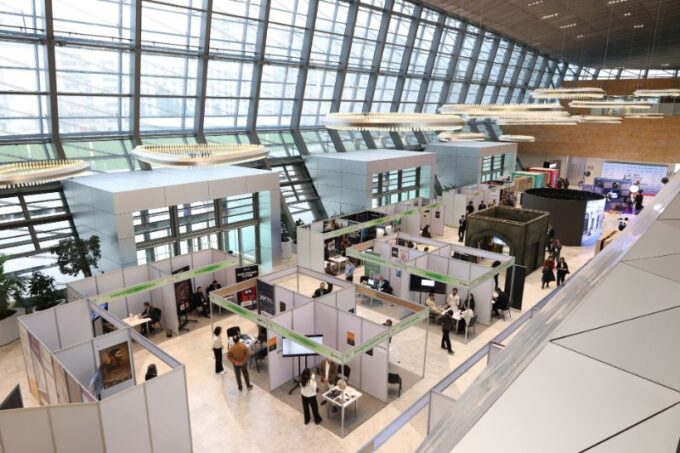
Indian chemical industry associations have acknowledged the challenging global backdrop while emphasising that India’s structural growth drivers, rising domestic consumption, government incentive schemes and export diversification, remain intact despite the cyclical downturn. Companies across specialty and commodity chemicals segments are reportedly focusing on cost discipline and operational efficiency rather than aggressive capacity expansion until demand signals improve, with several large producers reportedly deferring final investment decisions on new crackers and downstream units originally planned for this year. Industry watchers note that the NextGen Chemicals and Petrochemicals Summit 2026, held in India on July 9, gave sector executives a platform to discuss strategies for navigating the downturn while positioning for the next growth phase.
What Happens Next?
Deloitte’s outlook suggests the earliest meaningful recovery signs may not emerge until later in 2026 or into 2027, contingent on global demand stabilising in key end markets like construction and automotive manufacturing. Indian companies will be watching upcoming quarterly results closely for signs of margin stabilisation, while policymakers continue preparations for India Chem 2026, the flagship exhibition scheduled for October in Mumbai, where the sector’s medium-term investment plans despite near-term headwinds are expected to be showcased in detail. Specialty chemical makers, in particular, are expected to highlight new product launches in agrochemicals and performance materials as a way to offset weak commodity chemical pricing during the downturn, while government officials reiterate incentive support under production-linked schemes to keep long-term capital expenditure plans on track.
Frequently Asked Questions
Why is India’s chemical industry downturn continuing in 2026?
The chemical industry downturn 2026 is continuing because of persistent global overcapacity and soft demand, with Deloitte projecting just 2% global production growth for the year, down from earlier recovery expectations of 3.5%.
How big is India’s chemical industry expected to become?
India’s chemicals and petrochemicals industry is projected to reach $400-450 billion by 2030 and as much as $1 trillion by 2040, according to industry estimates, despite the near-term cyclical downturn.
When will the chemical industry downturn end?
Deloitte’s outlook suggests meaningful recovery signs may not emerge until later in 2026 or into 2027, depending on when global demand in construction, automotive and consumer goods sectors stabilises.









Leave a comment