

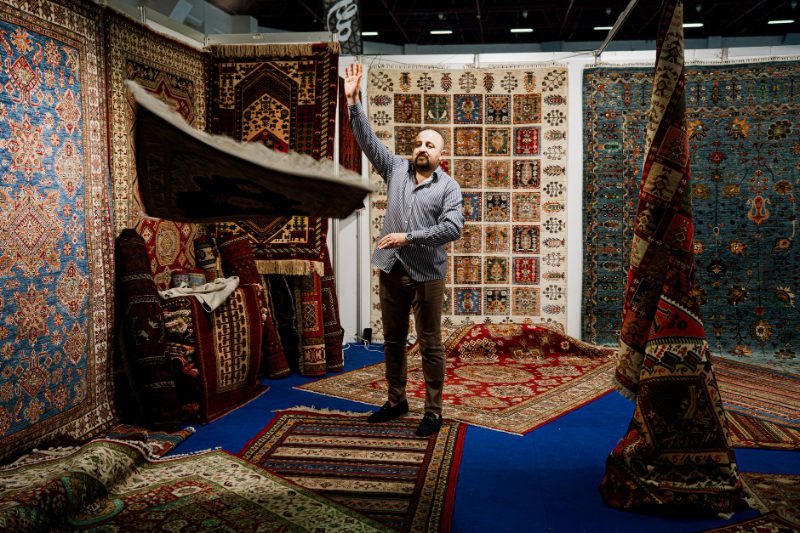
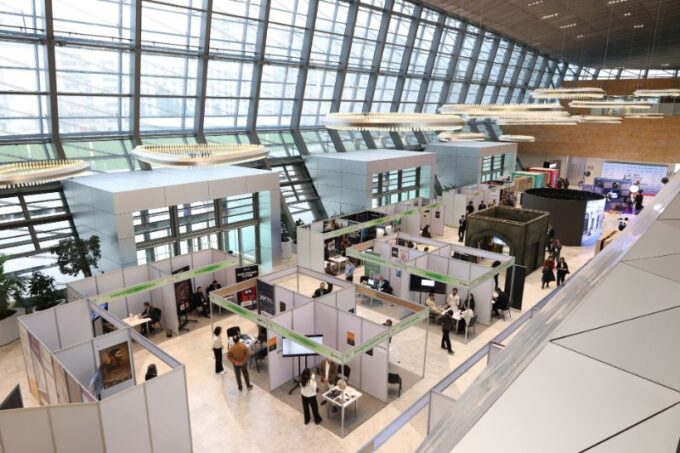
Bharat Tex 2026, India’s largest global textiles expo, is set to open on July 14–17, 2026 at Bharat Mandapam, New Delhi — arriving at a pivotal moment for the Indian textile industry as the recently concluded India-US trade deal unlocks new export opportunities and global buyers actively seek India-sourced alternatives. The event will bring together over 7,000 international buyers, 1.3 lakh trade visitors, and 1,600 exhibitors, with 3,500 curated B2B meetings and 100-plus knowledge sessions across India’s complete textile value chain — from fibre and yarn to finished apparel, home textiles, technical textiles, and ancillary industries.
Bharat Tex 2026 is jointly organised by 11 textile export promotion councils and supported by the Ministry of Textiles, Government of India. It represents India’s strongest statement yet of intent to capture a larger share of global textile and apparel trade — a market estimated at over USD 900 billion annually — at a time when India’s share remains below 5%.
Why Is Bharat Tex 2026 Significant for India’s Textile Industry?
Bharat Tex 2026 arrives at a strategic inflection point. The India-US trade deal has reduced US reciprocal tariffs on Indian textiles from 25% to 18%, improving India’s competitiveness against Bangladesh, Vietnam, and China. Simultaneously, the European Union is implementing supply chain due diligence and deforestation regulations that reward sourcing from transparent, compliant textile manufacturers — a strength Indian exporters can leverage. The expo’s coverage of technical textiles is particularly noteworthy: India’s technical textiles market — encompassing geotextiles, medical textiles, agrotextiles, and protective fabrics — is growing at 12–15% annually and remains an underpenetrated export opportunity. With 1,600 exhibitors spanning Bharat Mandapam’s full hall capacity, Bharat Tex 2026 is the most comprehensive showcase of Indian textile manufacturing capability to date.
What Are the Key Focus Areas at Bharat Tex 2026?
The four-day event features dedicated zones for: fibre innovation and sustainable textiles (recycled polyester, organic cotton, lyocell); smart textiles and wearable technology; technical textiles for defence, medical, and infrastructure applications; and handloom and artisan textiles celebrating India’s craft heritage. More than 100 knowledge sessions will address topics including EU supply chain compliance, sustainability certifications (GOTS, OEKO-TEX, Bluesign), digital textile printing, and the India-US trade deal’s detailed sectoral implications. International delegations from the US, EU, Japan, and the Middle East are expected to participate, with organised buyer-seller meetings targeting a minimum of USD 2 billion in trade commitments from the event.
Market Reaction and Industry Response
In anticipation of Bharat Tex 2026, Indian textile stocks have remained elevated following the earlier trade deal rally. Industry bodies including CITI and the Apparel Export Promotion Council (AEPC) report that order inquiry volumes from US and European buyers have surged 25–30% year-on-year since the trade deal announcement in February 2026. Yarn manufacturers in Coimbatore, fabric producers in Surat, and garment exporters in Tirupur and NCR are reporting factory utilisation above 85% — the highest in four years. The Ministry of Textiles is expected to use Bharat Tex 2026 to announce new PLI scheme disbursements and the National Technical Textiles Mission’s Phase 2 targets.
What Happens Next?
After Bharat Tex 2026 concludes on July 17, the focus shifts to converting B2B meeting outcomes into confirmed purchase orders by September 2026 — the start of the key holiday sourcing season for Western retail markets. The comprehensive India-US bilateral trade agreement, of which the current tariff deal is only Phase 1, is expected to include deeper textile tariff concessions, rules of origin provisions, and mutual recognition of quality standards. Industry bodies want the final agreement to bring US tariffs on Indian textiles to 8–10% from the current 18% under Phase 1, which would be broadly competitive with duty-free AGOA access enjoyed by African textile exporters.
Frequently Asked Questions
When and where is Bharat Tex 2026?
Bharat Tex 2026 is scheduled for July 14–17, 2026 at Bharat Mandapam, New Delhi. It is India’s largest global textiles expo, co-organised by 11 textile export promotion councils with Ministry of Textiles support, and will feature 1,600 exhibitors, 7,000+ international buyers, and 1.3 lakh trade visitors across fibre, yarn, fabric, apparel, home textiles, and technical textiles segments.
What is India’s target for textile exports?
India aims to grow textile and apparel exports to USD 100 billion by 2030, from approximately USD 40 billion currently. The Bharat Tex 2026 expo, combined with the India-US trade deal tariff reduction from 25% to 18%, and PLI scheme incentives are the primary near-term levers. CITI estimates the trade deal alone could add USD 1.5–2 billion to US-bound textile exports by FY28.
What is India’s share in global textile trade?
India accounts for approximately 4–5% of global textile and apparel trade, well below China’s 30%+ share. India’s strengths lie in cotton textiles, home textiles (towels, bedsheets), and technical textiles — segments where it is globally competitive. Bharat Tex 2026 and the India-US trade deal are designed to accelerate India’s market share gains, particularly in the US market where Indian suppliers are now more price-competitive than they have been in years.








Leave a comment