

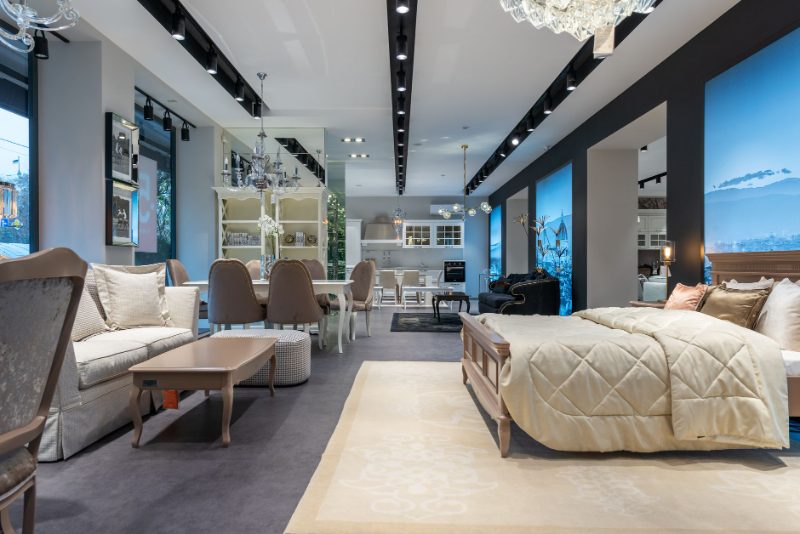
India’s furniture market has emerged as the world’s fourth-largest in 2026, with a market value of approximately USD 22 billion — nearly double its size a decade ago. The India furniture market fourth largest ranking places the country second only to China in the Asia-Pacific region, driven by a rapidly expanding middle class, surging infrastructure investment, and a generational shift toward branded and designed home furnishings.
According to the India Furniture Industry Report 2025-2026 covering the top 50 manufacturers and 150 retailers, the sector has added over USD 10 billion in value over the past ten years, with organised retail and e-commerce platforms contributing the most significant structural change to how Indian consumers discover and purchase furniture.
What Is Driving India’s Furniture Market to Fourth Place Globally in 2026?
Three forces are driving India’s furniture market rise: urbanisation, real estate recovery, and consumer premiumisation. India’s urban population surpassed 550 million in 2025, generating sustained demand for compact, functional furniture suited to metro apartments. Residential real estate completions in cities like Pune, Hyderabad, Bengaluru, and Chennai have hit multi-year highs in 2025-26, each new home representing a furniture purchase opportunity. Simultaneously, post-pandemic lifestyle preferences have raised spending on home interiors, with average per-household furniture spend rising an estimated 18% between 2022 and 2026 in urban India, according to retail industry estimates.
Key Trends Reshaping the India Furniture Market in 2026
Smart furniture is gaining meaningful traction in India’s furniture market, with height-adjustable desks, modular storage systems, and sofa-cum-beds designed for studio apartments seeing double-digit growth. Luxury furniture is also evolving — the definition of premium in 2026 is shifting from ornate traditional designs toward refined minimalism, comfort-focused ergonomics, and personal expression. Material preferences are moving toward texture-rich upholstery in bouclé, velvet, chenille, and premium leather, alongside solid wood pieces offering durability over mass-produced alternatives. Sustainability is increasingly a purchase influencer, particularly among consumers aged 25-40.
Market Reaction and Industry Response
India’s position as a preferred global furniture sourcing destination has also strengthened in 2026, with buyers from Europe, the Middle East, and the US increasingly sourcing from Indian clusters in Jodhpur, Jaipur, Erode, and the NCR region. India is now among the fastest-growing furniture markets in the world for 2025-26, outpacing mature markets in Europe and North America. Major organised players including Godrej Interio, Durian, and IKEA India have expanded their store networks and warehouse capacities to capture rising demand across metro and tier-II cities.
What Happens Next?
Analysts project India’s furniture market will continue its upward trajectory through 2030, supported by government housing programmes like PM Awas Yojana Urban 2.0 and a pipeline of 40 million new homes. E-commerce penetration in furniture, currently estimated at around 8-10% of total sales, is expected to double by 2028 as logistics infrastructure improves. Trade bodies are also lobbying for a dedicated furniture manufacturing cluster policy under the MSME Ministry to compete with Vietnam and Poland in the global export market. The next landmark for the sector will be whether India can cross USD 30 billion in furniture market value before 2030.
Frequently Asked Questions
How big is India’s furniture market in 2026?
India’s furniture market is valued at approximately USD 22 billion in 2026, making it the world’s fourth-largest furniture market and second-largest in the Asia-Pacific region after China. The market has nearly doubled in value over the past decade, fuelled by urbanisation, real estate growth, and consumer premiumisation.
Which Indian cities are the largest furniture manufacturing hubs?
India’s key furniture manufacturing clusters include Jodhpur and Jaipur in Rajasthan (solid wood and export furniture), Erode and Chennai in Tamil Nadu (commercial and home furniture), Ambala and Yamuna Nagar in Haryana (wooden furniture), and NCR/Greater Noida (modular and flat-pack furniture). These clusters serve both domestic retailers and international export buyers.
What is the growth outlook for India’s furniture market beyond 2026?
India’s furniture market is projected to sustain growth through 2030 on the back of government housing programmes, rising e-commerce penetration, and a young demographic with growing disposable income. Some industry forecasts suggest the market could approach USD 30 billion by 2029-30 if organised retail, export growth, and infrastructure investment continue at current pace.









Leave a comment