

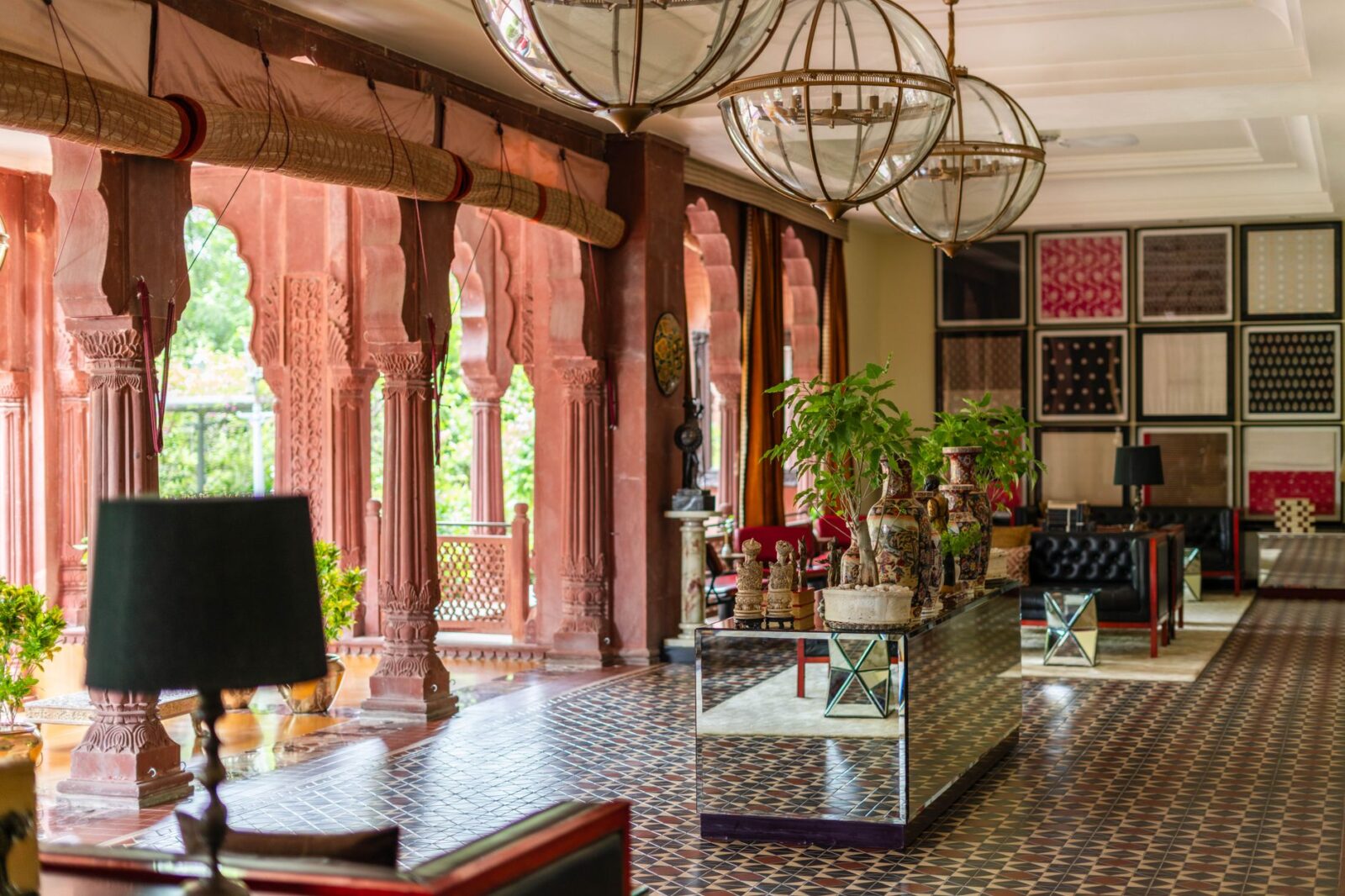
India’s largest hotel chain, IHCL (Indian Hotels Company Limited), the parent of the iconic Taj brand, announced 20 new hotel signings and 11 openings in the June 2026 quarter — bringing its total portfolio to 645 hotels as it accelerates toward its target of 700 properties by 2030. The IHCL hotel expansion is notable for its deliberate pivot away from the luxury Taj brand toward a capital-light, mid-market and regional growth model anchored by Gateway, Ginger, and Tree of Life — with 17 of the 20 new signings falling under these three brands rather than Taj.
This strategic shift reflects IHCL’s reading of India’s travel market: while luxury remains strong, the real growth story is in mid-market domestic travel, pilgrimage tourism, and Tier 2 and Tier 3 city expansion — segments where Ginger and Gateway have room for rapid, asset-light scaling without the capital intensity of a full Taj property.
What Is IHCL’s Hotel Expansion Strategy for India?
IHCL’s expansion strategy rests on three pillars. First, brand tiering: the company operates Taj (luxury), Seleqtions (upper upscale), Vivanta (upscale), Gateway (upper midscale), Ginger (midscale), and Tree of Life (boutique), allowing it to address every segment of India’s travel market with a differentiated branded offering. Second, capital-light growth: rather than owning all properties, IHCL is aggressively signing management contracts and franchise agreements — the 20 new signings in the June 2026 quarter are primarily management and franchise deals, not owned properties. This model lets IHCL grow its portfolio faster without heavy balance sheet deployment. Third, geographic diversification: IHCL is actively targeting emerging leisure markets (Lakshadweep, Kedarnath, Varanasi, Hampi), pilgrimage destinations, and fast-growing Tier 2 cities like Indore, Coimbatore, and Bhubaneswar, where branded accommodation supply remains far below demand.
How Does India’s Domestic Travel Boom Drive IHCL’s Growth?
IHCL’s aggressive expansion is underpinned by India’s extraordinary domestic travel surge. Domestic tourist visits in India increased 40% year-on-year in 2025, reaching 4.1 billion visits — a staggering number that reflects both growing middle-class prosperity and improving transport infrastructure (new airports, expressways, and Vande Bharat rail corridors). Average room rates at IHCL properties rose 8% in FY2026, and occupancy across the portfolio has been consistently above 70% — near the top of the industry globally. The Taj brand itself remains in exceptional health, with ultra-luxury properties in Mumbai, Delhi, and Jaipur commanding average daily rates above ₹25,000. IHCL’s consolidated revenue crossed ₹7,000 crore in FY2026, and the company is targeting ₹10,000 crore by FY2028, driven by portfolio growth and continued RevPAR improvement.
Industry Reaction and Expert Commentary
IHCL MD and CEO Puneet Chhatwal said: “We are following our guests — and our guests are going everywhere. From Lakshadweep to Ladakh, from pilgrimage to premium leisure, we are building a brand for every Indian travel moment.” Skift reported in July 2026 that IHCL is “the most strategically coherent hotel company in Asia,” praising its brand architecture and capital discipline. JLL Hotels India Managing Director Jaideep Dang noted that IHCL’s ability to sign 20 properties in a single quarter — several in markets where Taj had no presence — demonstrates the strength of its brand pull with property owners and developers. Analysts at Motilal Oswal have a target price of ₹780 for IHCL stock (TATAHOTELS.NSE), citing the 700-hotel target as achievable ahead of schedule. Tree of Life, IHCL’s boutique heritage brand which it acquired, has been particularly successful in opening boutique resort properties in Rajasthan and Kerala.
What Happens Next for IHCL’s 700-Hotel Target?
With 645 hotels and 55 to go before the 700-hotel target, IHCL is on track to reach 700 before its 2030 deadline — potentially as early as 2028 at the current signing pace. The company is also exploring international expansion, following Indian travellers to markets including the UAE, UK, USA, and Southeast Asia, where the Taj brand carries strong recognition among the Indian diaspora and international luxury travellers who have stayed at Taj properties in India. IHCL’s digital transformation — including an AI-powered revenue management system deployed across all properties in 2025 — is expected to further improve RevPAR by optimising pricing in real time. The next earnings announcement, expected in August 2026, will provide updated guidance on signings, openings, and revenue trajectory for the remainder of FY2027.
Frequently Asked Questions
How many hotels does IHCL (Taj Hotels) have in 2026?
As of the June 2026 quarter, IHCL operates a portfolio of 645 hotels across its brands — Taj, Seleqtions, Vivanta, Gateway, Ginger, and Tree of Life. The company signed 20 new hotels and opened 11 properties in the June quarter alone. IHCL is targeting 700 hotels by 2030, a milestone it may reach ahead of schedule based on current signing rates.
What brands are driving IHCL’s hotel expansion?
IHCL’s expansion is primarily driven by its mid-market and boutique brands rather than the flagship Taj. Of the 20 new signings in the June 2026 quarter, 17 were under Gateway (upper midscale), Ginger (midscale), and Tree of Life (boutique). This capital-light, mid-market push allows faster geographic expansion into Tier 2 cities and emerging leisure destinations without the capital intensity of full Taj luxury properties.
What is IHCL’s revenue target for 2028?
IHCL is targeting consolidated revenues of ₹10,000 crore by FY2028, up from over ₹7,000 crore in FY2026. This growth will be driven by portfolio expansion from 645 to 700+ hotels, continued RevPAR improvement (average room rate grew 8% in FY2026), and rising domestic travel demand. India’s hospitality market is expected to reach $31 billion by 2029, and IHCL as the market leader is well positioned to capture a disproportionate share of this growth.











Leave a comment