

India’s West Asia policy requires urgent recalibration in 2026 as the region faces simultaneous crises: an ongoing Gaza conflict, escalating Iran-Israel tensions, and shifting alliance structures that no longer align neatly with India’s traditional multi-directional engagement framework. India West Asia policy 2026 must balance its $180 billion trade relationship with the Arab world, its strategic partnership with Israel (particularly in defence technology), its energy dependence on the Gulf, and its humanitarian commitments — all while maintaining the strategic autonomy that has defined New Delhi’s foreign policy since Nehru.
India’s engagement with West Asia is anchored in five pillars: energy security (India imports 55–60% of its crude oil from the Gulf), trade (the UAE and Saudi Arabia are among India’s top 10 trading partners), diaspora welfare (8.9 million Indians live and work across the GCC, remitting $53 billion annually), counter-terrorism cooperation, and defence-technology partnerships primarily with Israel. The simultaneous strain on all five pillars from the Gaza conflict and Iran-Israel tensions is unprecedented in the post-Cold War era.
How Is the Gaza Conflict and Iran-Israel Tension Affecting India’s West Asia Strategy?
India’s position on Gaza has evolved from studied abstention to a more active humanitarian posture. India voted in favour of a UN General Assembly resolution calling for an immediate ceasefire in Gaza in late 2025 — a significant departure from previous abstentions — and committed $10 million in humanitarian aid through UNRWA. This shift reflects domestic pressure from India’s 200 million Muslim population and diplomatic advice from Gulf partners that a more balanced stance would strengthen bilateral ties. Simultaneously, Israel remains India’s second-largest defence supplier after Russia, with bilateral defence trade exceeding $2.1 billion annually. Key Israeli systems — the Spike anti-tank missile, Phalcon AWACS, Barak air defence systems, and Iron Dome technology components — are integrated into Indian military platforms, making a complete strategic distancing from Israel untenable.
What Do Foreign Policy Analysts Say?
Former Foreign Secretary Vijay Gokhale has argued that India must “delink its defence procurement relationships from its humanitarian and diplomatic positions” to navigate the current crisis without alienating either Arab partners or Israel. The Centre for Policy Research’s Srinath Raghavan notes that India’s current account surplus — partly driven by record GCC remittances of $16 billion in April 2026 alone — gives the Gulf an economic leverage over India that demands “proactive diplomatic management rather than reactive crisis navigation.” External Affairs Minister S. Jaishankar visited Riyadh and Abu Dhabi in June 2026, reaffirming India’s commitment to regional stability and humanitarian principles while avoiding direct criticism of Israel’s military operations.
Market and Trade Reaction
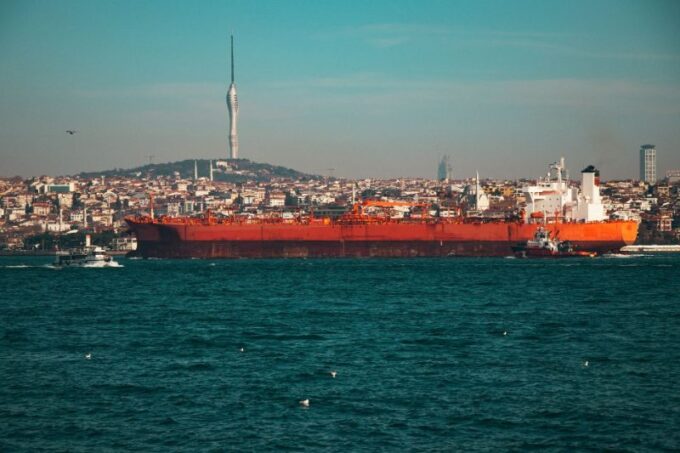
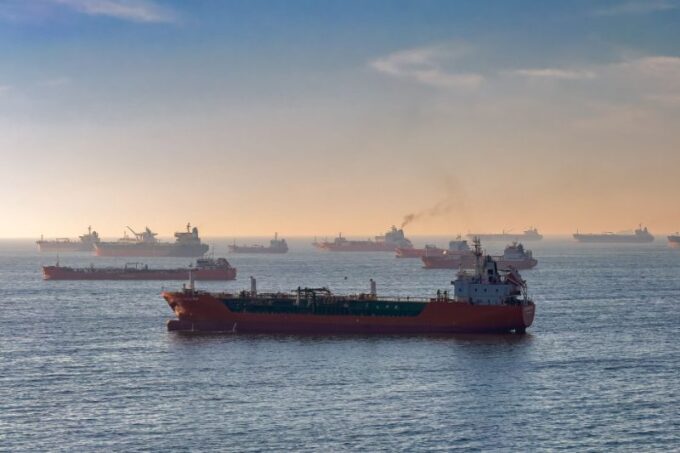
Iran-Israel tensions have disrupted shipping lanes in the Strait of Hormuz — through which India imports approximately 20% of its crude oil — causing spot freight rates for crude tankers to spike 35% in May–June 2026. Indian oil marketing companies (IOC, BPCL, HPCL) have diversified sourcing toward the US, Russia, and West Africa to reduce exposure. The India-Middle East-Europe Economic Corridor (IMEC), announced at the G20 New Delhi Summit in 2023, has seen implementation delays due to regional instability, with railway and port connectivity components stalled in Israel and Jordan. India’s Energy Ministry has fast-tracked approvals for three new strategic petroleum reserve sites to reduce import vulnerability.
What Happens Next?
India is expected to use its non-permanent UNSC membership (2028–29 cycle candidacy) to position itself as a constructive mediator in West Asia. External Affairs Minister Jaishankar is expected to visit Tehran in Q3 2026 to maintain the India-Iran Chabahar port corridor — a critical connectivity project exempted from US sanctions. The IMEC corridor review is scheduled for the G20 South Africa summit in November 2026. India’s West Asia policy will also be discussed at the next Parliamentary Standing Committee on External Affairs session in August 2026.
Frequently Asked Questions
What is India’s current position on the Gaza conflict in 2026?
India has shifted toward a more humanitarian-leaning position on Gaza in 2026, voting in favour of a UN ceasefire resolution and committing $10 million in humanitarian aid. India continues to call for a two-state solution and dialogue, while maintaining its defence procurement relationship with Israel — a careful balance reflecting both strategic interests and domestic political considerations.
How does West Asia instability affect India economically?
West Asia instability directly affects India through three channels: energy prices (India imports 55–60% of crude from the Gulf, and Strait of Hormuz disruptions raise freight costs by 35%+), remittances ($53 billion annually from 8.9 million GCC-based Indians), and trade ($180 billion in annual India-West Asia trade). All three are under stress from the Gaza conflict and Iran-Israel tensions in 2026.
What is the India-Middle East-Europe Economic Corridor (IMEC) and is it still on track?
The IMEC is a multi-modal connectivity corridor announced at the G20 New Delhi Summit in 2023, linking India to Europe via the Arabian Peninsula, Israel, and the Mediterranean. Regional instability has delayed implementation, with railway and port components stalled in Israel and Jordan. India remains committed to IMEC and will push for progress at the G20 South Africa summit in November 2026.








Leave a comment