

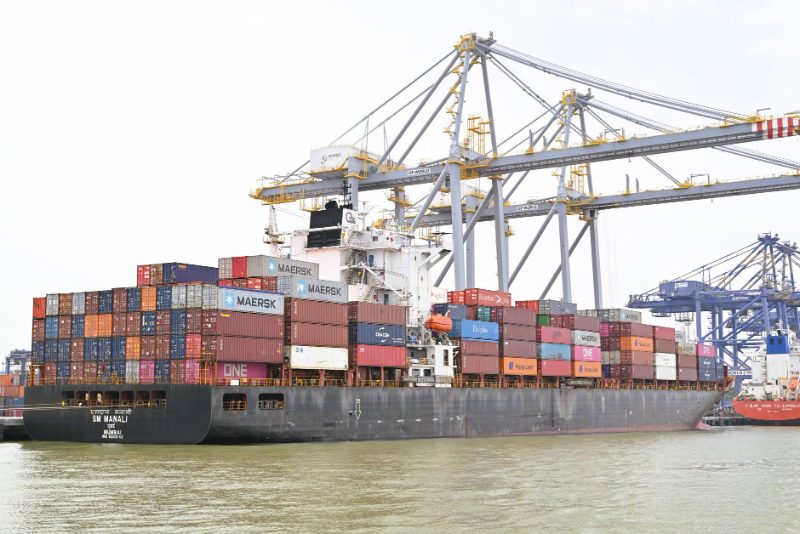
India has set a $1 trillion export target for fiscal year 2026-27 (FY27), with Commerce and Industry Minister Piyush Goyal announcing 16–17% merchandise export growth to reach $530 billion and 11–12% services export growth to $470 billion. India’s $1 trillion export target FY27 was formally outlined at the Board of Trade meeting chaired by Minister Goyal on July 3, 2026, marking the most ambitious annual trade milestone in India’s history.
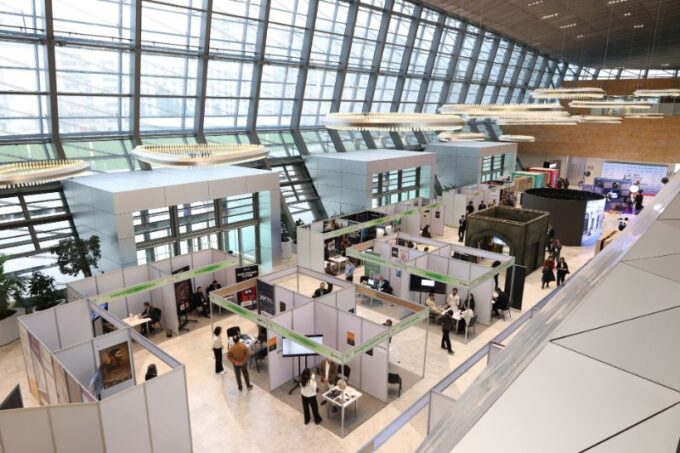
The Board of Trade meeting, attended by representatives from 1,600 business associations, export promotion councils, and industry bodies, laid out the strategic framework for achieving the $1 trillion target through the BHAVYA Scheme, import substitution drives, and enhanced participation in international trade exhibitions.
How Does India Plan to Achieve the $1 Trillion Export Target in FY27?
India’s export strategy for FY27 rests on four pillars. First, the BHAVYA Scheme — Bharat’s High-Achieving Value-Added Export Zones — enables plug-and-play industrial parks to boost domestic manufacturing capacity in export-oriented sectors. Second, the government is identifying key import substitute products to be manufactured domestically, reducing the trade deficit while boosting local production. Third, approximately 1,600 business associations across the country are being mobilised to send delegations to international trade shows and exhibitions. Fourth, the recently operationalised India-UK CETA provides immediate duty-free access to the UK market for 99% of Indian goods, opening a new high-value export corridor. In Q1 FY27 (April–June 2026), merchandise exports grew 15% year-on-year — on track for the annual 17% target.
Which Sectors Are Driving India’s Export Growth in FY27?
India’s services exports — led by IT, software, and business process management — continue to be the largest contributor, with services projected to reach $470 billion in FY27 compared to approximately $424 billion in FY26. On the merchandise side, engineering goods, chemicals, pharmaceuticals, textiles, and gems and jewellery are the top five export sectors. The India-UK CETA is expected to boost textile and leather exports to the UK by 40% within two years, while the US’s exclusion of generic pharmaceuticals from Section 232 tariffs preserves a key $8 billion export stream to the American market. Electronics exports, now at approximately $35 billion, are on track to double by FY29 under the PLI scheme.
Market and Trade Reaction
The Board of Trade meeting and the $1 trillion export announcement were received positively by industry. The Federation of Indian Export Organisations (FIEO) described the targets as “ambitious but achievable” given the strong Q1 performance. The rupee has remained stable in the ₹83–85 per dollar range in July 2026, providing predictable export realisation for Indian businesses. The Confederation of Indian Industry (CII) has called for additional export credit insurance support and logistics cost reduction measures to sustain the growth momentum. Export-oriented sectors on the BSE gained 1.5–2% in the week following the Board of Trade announcement.
What Happens Next?
The DGFT will release detailed export promotion guidelines under the BHAVYA Scheme by September 2026. The next Board of Trade review is scheduled for October 2026, where Q2 FY27 export performance will be assessed against the $1 trillion trajectory. Exporters should monitor CETA documentation requirements effective July 15, and track the outcome of the USTR’s Section 301 investigation expected in Q3 2026, which could affect India’s goods exports to the United States if India is included in the targeted economies list.
Frequently Asked Questions
What is India’s export target for FY27?
India’s export target for FY27 (2026-27) is $1 trillion in total exports, comprising $530 billion in merchandise exports (17% growth) and $470 billion in services exports (11-12% growth). The target was announced by Commerce Minister Piyush Goyal at the Board of Trade meeting on July 3, 2026.
How much did India’s merchandise exports grow in Q1 FY27?
India’s merchandise exports grew 15% year-on-year in Q1 FY27 (April–June 2026), maintaining a strong trajectory toward the annual 17% growth target set for FY27. Services exports grew approximately 11% in the same period.
What is the BHAVYA Scheme for India’s export growth?
The BHAVYA Scheme (Bharat’s High-Achieving Value-Added Export Zones) enables the development of plug-and-play industrial parks designed to attract export-oriented manufacturers. The scheme aims to reduce setup time and cost for new manufacturing facilities, boosting India’s domestic production capacity for export markets.









Leave a comment