


The India-Pakistan ceasefire, brokered by the United States in May 2025, has now held for over a year as of July 2026 — marking the longest sustained pause in military hostilities between the two nuclear-armed neighbours in recent memory. The India-Pakistan ceasefire 2026 status remains fragile, with both nations continuing to assert full territorial claims over Kashmir, but the absence of active conflict has created space for modest economic normalisation and diplomatic recalibration.
The US-mediated ceasefire was announced by President Trump in May 2025 following a terrorist attack in Indian-administered Kashmir, which India attributed to Pakistan-backed groups — a claim Pakistan denied. A formal ceasefire agreement was reached “after a long night of talks,” according to US officials. As of July 2026, the ceasefire is technically holding, though analysts describe the peace as cautious and conditional.
How Has the India-Pakistan Ceasefire Affected Regional Trade and Investment?
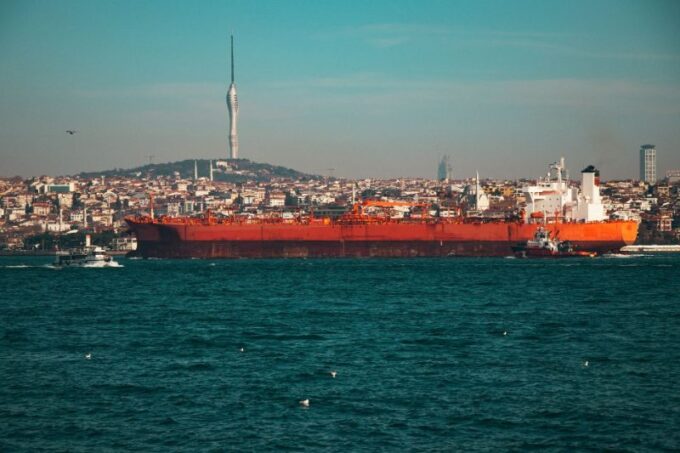
The year-long ceasefire has reduced geopolitical risk premiums on Indian assets, contributing to stable FPI inflows and a relatively firm rupee in the ₹83–85 per dollar range through H1 FY27. India’s defence expenditure allocation has been maintained at elevated levels, reflecting continued strategic vigilance, but the absence of active conflict has allowed the government to focus fiscal resources on infrastructure and export promotion. India’s trade routes through the Arabian Sea — critical for oil imports and goods exports — have remained secure, contributing to the current account improvement seen in Q4 FY26. However, direct India-Pakistan trade, which once reached $2 billion annually before 2019 suspensions, remains effectively at zero, with no formal normalisation of bilateral commerce.
What Are India’s Geopolitical Priorities in July 2026?
India’s strategic agenda in July 2026 is shaped by multiple simultaneous dynamics. The India-UK CETA enters force on July 15, deepening ties with a key Western partner. India continues to navigate its “strategic autonomy” posture — maintaining defence partnerships with Russia (via legacy arms supply chains), the US (through the QUAD framework), and France (Rafale jets, nuclear submarine cooperation). On the economic front, India’s priority is accelerating the $1 trillion export target for FY27, with FTA negotiations with the EU and Canada as key diplomatic deliverables for H2 FY27. The CPTPP expansion to Indonesia, Philippines, and UAE also heightens pressure on India to assess its own trade bloc strategy.
Market and Trade Reaction
Geopolitical stability — including the continuing ceasefire — has been a positive factor for Indian capital markets in 2026. Foreign portfolio investors have maintained net positive flows into Indian equities and debt, with India’s weight in MSCI Emerging Markets indices rising to approximately 19% in mid-2026. Ratings agency Moody’s affirmed India’s Baa3 rating with a stable outlook in June 2026, citing economic resilience and improving external balances. The Washington Post’s May 2026 assessment noted that “India and Pakistan are technically at peace” but cautioned that structural tensions persist, particularly in Kashmir, where unrest continues at a lower level.
What Happens Next?
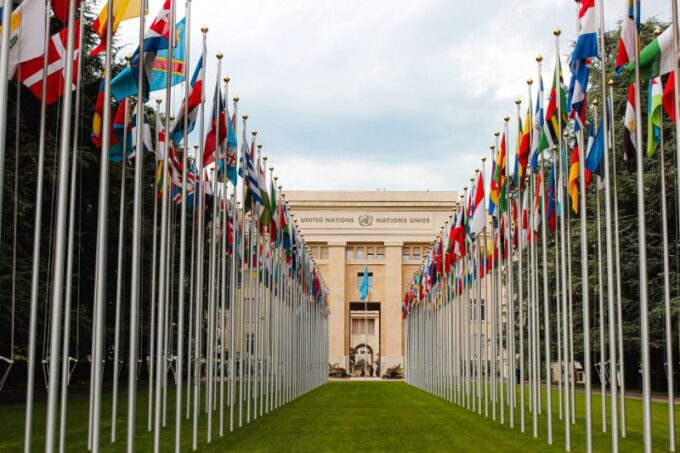
Diplomatic observers are watching several flashpoints that could test the ceasefire in H2 2026: the approach of the first anniversary of the May 2025 terrorist incident, India’s domestic political dynamics around J&K, and the posture of new Pakistani civilian and military leadership. India-Pakistan back-channel diplomacy on trade normalisation remains inactive. The Ministry of External Affairs is expected to provide a formal statement on bilateral relations at the United Nations General Assembly in September 2026. Meanwhile, India’s primary international trade focus in July 2026 is the CETA rollout and managing the implications of US tariff policy — geopolitical considerations that have a direct commercial dimension.
Frequently Asked Questions
Is the India-Pakistan ceasefire still holding in July 2026?
Yes. The India-Pakistan ceasefire agreed in May 2025 under US mediation is technically still in force as of July 2026, representing over a year of sustained calm. However, analysts describe the peace as fragile — both countries continue to assert competing territorial claims over Kashmir, and the root causes of the conflict remain unresolved.
Has India-Pakistan trade resumed after the 2025 ceasefire?
No. Despite the ceasefire holding since May 2025, direct India-Pakistan bilateral trade has not been restored as of July 2026. Formal trade between the two countries was effectively suspended in 2019 following India’s revocation of Jammu & Kashmir’s special status, and no normalisation talks have been announced in the current diplomatic environment.
How has the India-Pakistan ceasefire affected India’s economy?
The cessation of active hostilities has reduced geopolitical risk premiums on Indian assets, supporting stable foreign portfolio investment flows, a firm rupee, and positive sovereign credit outlooks. India’s defence budget remains elevated as a precaution, but the government has been able to redirect fiscal attention to trade, infrastructure, and export promotion — priorities reflected in the $1 trillion FY27 export target and the India-UK CETA implementation.










Leave a comment