

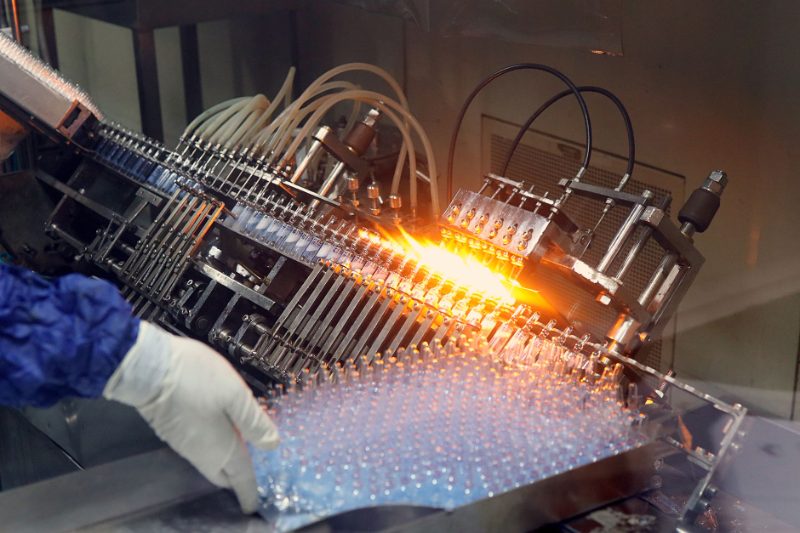
US pharma tariffs effective July 31, 2026 impose a 100% duty on patented pharmaceutical products and active pharmaceutical ingredients (APIs) under Section 232, fundamentally disrupting global pharmaceutical trade. While India’s generic drug exports to the US — valued at approximately $8 billion annually — are currently exempt from the US pharma tariffs July 2026, patented drug supply chains are facing severe cost pressures ahead of the July 31 deadline for large companies.
The Section 232 pharmaceutical tariff was signed by President Trump on April 2, 2026, under the Trade Expansion Act of 1962. Large pharmaceutical companies must comply by July 31, 2026, while smaller manufacturers have a grace period until September 29, 2026. The tariff applies to finished patented pharmaceutical products and their APIs, but explicitly excludes generic drugs and their ingredients at this time.
How Do US Pharma Tariffs July 2026 Affect Indian Pharmaceutical Exports?
India is the world’s largest supplier of generic medicines to the United States, accounting for approximately 40% of total US generic drug prescriptions and $8 billion in annual exports. The exemption of generics from the Section 232 tariff is therefore a critical relief for Indian pharmaceutical exporters including Sun Pharma, Dr. Reddy’s Laboratories, Cipla, Lupin, and Aurobindo Pharma. However, Indian companies with US-facing patented drug operations — particularly those that have invested in novel drug development through their innovative arms — face the 100% tariff on those product lines. The Pharmaceuticals Export Promotion Council of India (Pharmexcil) has urged the government to secure a formal bilateral exemption for all Indian pharma exports in ongoing trade negotiations.
What Is the Global Impact of 100% US Pharma Tariffs?
The 100% Section 232 tariff on patented drugs will disproportionately affect European and Japanese pharmaceutical companies, which supply the bulk of patented medicines to the US market. Global pharma giants including Pfizer, Roche, Novartis, AstraZeneca, and Sanofi are evaluating US manufacturing investments to avoid the tariff. The USTR has also initiated a separate Section 301 investigation into Germany’s pharmaceutical pricing policies, citing underpayment for innovative US drugs as an unfair trade practice. Pharmaceutical trade analysts at IQVIA estimate the combined tariff measures could add $35–50 billion in annual costs to the US healthcare supply chain if fully implemented.
Market and Trade Reaction
Indian pharma stocks rallied 2.3% in early July 2026 following official confirmation that generic pharmaceuticals remain exempt from the Section 232 tariff. The BSE Healthcare Index gained 3.1% in the week of July 7. US pharmaceutical importers are accelerating stockpiling of patented drugs ahead of the July 31 deadline, driving a surge in air freight volumes from European manufacturing hubs. The Association of Accessible Medicines (AAM) in the US has warned that the tariffs could raise generic drug prices if upstream API costs increase — particularly if the generic API exemption is reversed in future rounds.
What Happens Next?
Large pharma companies must comply with the 100% US Section 232 pharma tariff from July 31, 2026. Smaller manufacturers have until September 29, 2026. Indian pharmaceutical exporters should engage with Pharmexcil and DGFT to track developments on any bilateral exemption negotiation. The USTR’s Section 301 investigation against Germany’s pricing practices is expected to reach a preliminary conclusion by Q4 2026. Indian companies should also monitor whether the generic drug API exemption is reviewed — any change would materially affect India’s dominant position in US generic drug supply.
Frequently Asked Questions
Are Indian generic drug exports affected by US pharma tariffs in July 2026?
No. The US Section 232 pharma tariffs effective July 31, 2026 explicitly exempt generic pharmaceuticals and their active pharmaceutical ingredients (APIs). India supplies approximately 40% of US generic drugs, and this exemption provides significant protection for Indian pharmaceutical exporters including Sun Pharma, Dr. Reddy’s, Cipla, and Lupin.
What is the tariff rate on patented pharmaceuticals under US Section 232?
The US Section 232 tariff imposes a 100% ad valorem duty on patented pharmaceutical products and their APIs imported into the United States. For large pharmaceutical companies, this takes effect July 31, 2026; for smaller companies, the deadline is September 29, 2026.
Which countries are most affected by US pharma tariffs July 2026?
European countries — particularly Germany, Switzerland, Ireland, and France — and Japan are most affected by the 100% US pharma tariff, as they are the primary suppliers of patented medicines to the US market. India, as a dominant generic drug supplier, is largely shielded by the generic exemption, though patented drug operations of Indian companies face the same 100% tariff.








Leave a comment