

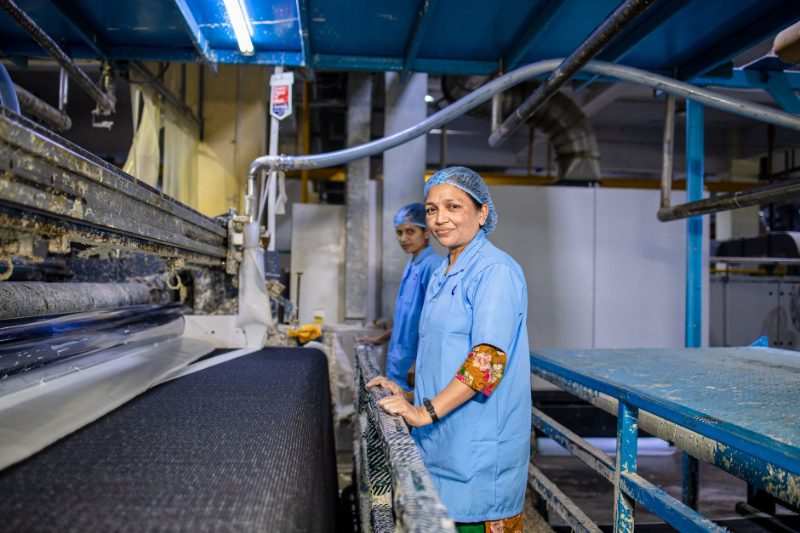
India’s PMFME scheme has crossed 2 lakh credit-linked micro food processing beneficiaries, Union Minister Chirag Paswan announced on July 11, 2026, marking a landmark milestone for the government’s flagship formalisation programme. The Pradhan Mantri Formalisation of Micro Food Processing Enterprises scheme has now leveraged project investments exceeding ₹20,300 crore and created nearly 11 lakh direct and indirect employment opportunities across India.
The announcement came during a special event in New Delhi, where Minister Paswan highlighted that nearly 90 per cent of the PMFME beneficiaries are first-generation entrepreneurs. More than 75,000 PMFME-supported enterprises have entered the formal economy through registrations under Udyam Aadhaar, FSSAI, and the GST framework — fundamentally changing how India’s vast informal food processing ecosystem operates.
Why Has the PMFME Scheme Reached 2 Lakh Beneficiaries Faster Than Projected?
The PMFME scheme’s credit-linked subsidy model, which channels government support through banks directly to micro food processing enterprises, has proven more effective than earlier cash-transfer approaches. Beneficiaries receive up to 35% credit-linked subsidy on eligible project costs, with seed capital support for self-help groups of up to ₹40,000 per member. States including Uttar Pradesh, Maharashtra, Tamil Nadu, and Rajasthan have emerged as the largest contributors to the beneficiary count. As of July 2026, more than 1.76 lakh beneficiaries have also completed skills training under the scheme, with women accounting for nearly 77% of those trained.
What Does the ₹20,300 Crore Investment Signal for India’s Food Processing Industry?
The ₹20,300 crore in leveraged investments represents a multiplier effect on the government’s initial PMFME outlay, demonstrating that even micro enterprises can attract formal financing when supported by a structured subsidy framework. This is occurring alongside the larger PLI Scheme for Food Processing Industries — with an INR 10,900 crore outlay running from FY2021-22 to FY2026-27 — which has approved 170 applications, added 35 lakh MT of processing capacity, and generated approximately 3.39 lakh direct and indirect jobs. Together, these schemes are positioning India’s food processing sector for CAGR growth of 8.38%, with the sector projected to reach INR 65,244 billion by 2033.
Market Reaction and Industry Response
Industry bodies including the Federation of Indian Food and Agro Industries (FIFAI) and the Confederation of Indian Food Trade and Industry (CIFTI) have welcomed the milestone, calling it a validation of India’s cluster-based approach to food processing development. The 44% female beneficiary rate has drawn particular attention from development economists and ESG investors, as women-led food enterprises tend to reinvest a higher proportion of income back into household nutrition and local supply chains. The PLI scheme has also attracted marquee corporate participation, with Tata Consumer Products signing a ₹2,000 crore MoU with the Ministry of Food Processing Industries.
What Happens Next?
The Ministry of Food Processing Industries is targeting 3 lakh PMFME beneficiaries by FY2027, with enhanced focus on northern and northeastern states where penetration remains lower. The 17th FOODWORLD India summit, scheduled for July 16, 2026 at Hotel Shangri-La Eros, New Delhi, is expected to further accelerate investment discussions in the sector. India’s food processing exports have surpassed the $10 billion mark, and the government is targeting a doubling of processed food exports by 2030. The next phase of the PMFME scheme is expected to introduce digital onboarding for beneficiaries and expanded e-commerce linkages for rural food processing units.
Frequently Asked Questions
What is the PMFME scheme and who can apply?
The Pradhan Mantri Formalisation of Micro Food Processing Enterprises (PMFME) scheme was launched in 2020 to provide financial, technical, and business support to existing micro food processing enterprises across India. Any unorganised or informal food processing business with annual turnover below ₹2 crore can apply through state nodal agencies or directly via the official PMFME portal.
How much subsidy does the PMFME scheme offer?
PMFME beneficiaries receive a credit-linked subsidy of 35% on eligible project costs, with a maximum cap of ₹10 lakh per enterprise. Self-help groups receive seed capital support of up to ₹40,000 per member, while producer cooperatives and farmer producer organisations can access higher grant support for shared infrastructure.
How does PMFME’s 2 lakh milestone impact India’s food processing exports?
With over 75,000 PMFME enterprises now formally registered under GST and FSSAI, more micro food processing units are now eligible to export their products. Formalisation enables access to export licences, EAN barcodes, and quality certification — critical prerequisites for entering modern retail and international trade channels. India’s processed food exports are already above $10 billion and growing at double digits.











Leave a comment