

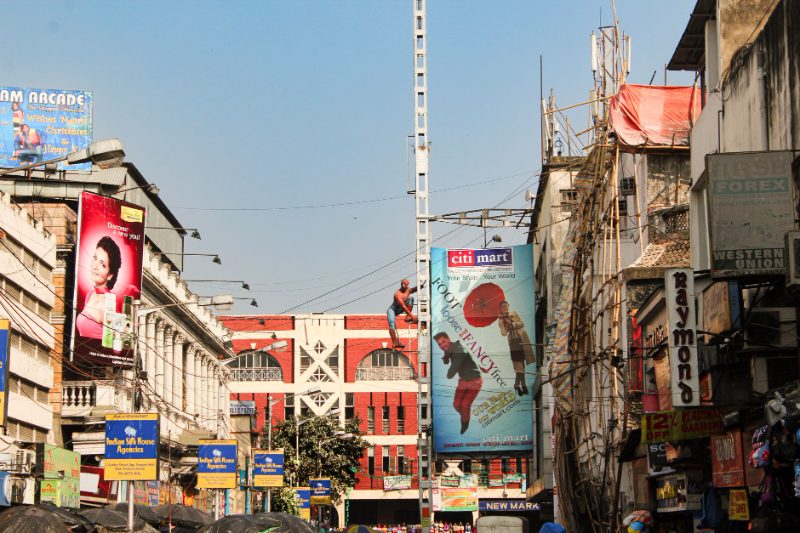
India’s digital advertising market is forecast to reach ₹69,856 crore (approximately $8.3 billion) in 2026, representing 61% of the country’s total advertising expenditure—a historic milestone that cements digital’s dominance over traditional media in the world’s most populous nation. India digital advertising growth is being driven by AI-powered campaign automation, vernacular content targeting, and the explosive rise of quick commerce advertising platforms.
India’s total advertising expenditure is projected at ₹1,476 billion (USD 15.9 billion) in 2026, with digital commanding the lion’s share. This shift reflects structural changes in media consumption: over 800 million internet users, 73% consuming content in regional languages, and mobile-first browsing patterns are reshaping how Indian brands reach consumers.
How Is AI Changing Digital Marketing in India in 2026?
Artificial intelligence has moved from experimentation to the operational core of Indian digital advertising. Google’s Performance Max, Meta’s Advantage+ Shopping Campaigns, and LinkedIn’s AI-optimised ad solutions now handle bidding, placement, audience expansion, and creative combination automatically—reducing manual campaign management by up to 60% for large advertisers. Indian brands that have adopted AI-first advertising report 20–35% improvements in return on ad spend (ROAS) compared to manually managed campaigns. The shift means that creative quality, audience data, and first-party data strategies are now the primary differentiators between high-performing and average campaigns.
What Are the Biggest Digital Marketing Trends in India for 2026?
Vernacular content is the defining trend: with 540 million regional language internet users representing a ₹4.5 lakh crore ($53 billion) market opportunity, brands that communicate in Bhojpuri, Marathi, Tamil, and Bengali are unlocking customer segments that English-first brands cannot reach. Quick commerce advertising on Blinkit, Zepto, and Swiggy Instamart has emerged as a powerful new channel, allowing brands to target customers at the moment of purchase intent. WhatsApp Commerce has also matured significantly, with Click-to-WhatsApp ads enabling full purchase journeys from discovery to delivery within the messaging app. Micro-influencers with 10,000–100,000 followers consistently deliver 5–8% engagement rates versus 1–2% for mega-influencers—making them the preferred vehicle for regional brand building.
Industry Reaction and Expert Commentary
India’s advertising industry associations note that the 61% digital share of total ad spend represents a structural shift—traditional media budgets are unlikely to recover their lost share significantly. Television continues to hold value for mass reach in Tier-1 markets, but digital now dominates brand building among under-35 urban consumers and is rapidly expanding into rural India through OTT platforms, YouTube, and short-video apps. The DPDP Act (Digital Personal Data Protection Act) is also reshaping the industry: brands are investing in first-party data infrastructure, consent management platforms, and contextual targeting alternatives to cookie-based tracking.
What Happens Next?
Expect continued growth in programmatic advertising, regional language AI content generation, and retail media networks as India’s quick commerce and e-commerce platforms build out advertising products. The DPDP Act’s implementation timeline will require brands to complete their first-party data transition by 2027. Voice search optimisation and AI-generated vernacular ad creative are the next frontier for Indian digital marketers—brands that invest in these capabilities now will have a compounding advantage as India’s internet user base adds another 150 million users over the next three years.
Frequently Asked Questions
How big is India’s digital advertising market in 2026?
India’s digital advertising market is projected to reach ₹69,856 crore (approximately $8.3 billion) in 2026, accounting for 61% of India’s total advertising spend of ₹1,476 billion. This makes India one of the fastest-growing major digital ad markets globally.
What is driving digital advertising growth in India?
Key drivers include AI-powered campaign automation (Google Performance Max, Meta Advantage+), the 540-million regional language internet user base, quick commerce advertising on Blinkit and Zepto, WhatsApp Commerce adoption, and an expanding OTT and short video ecosystem reaching tier-2 and tier-3 cities.
How is the DPDP Act affecting Indian digital marketers?
India’s Digital Personal Data Protection (DPDP) Act requires brands to obtain explicit consent for data collection, rebuild targeting strategies around first-party data, and invest in contextual advertising alternatives—forcing a fundamental rethink of performance marketing infrastructure across Indian brands.












Leave a comment