

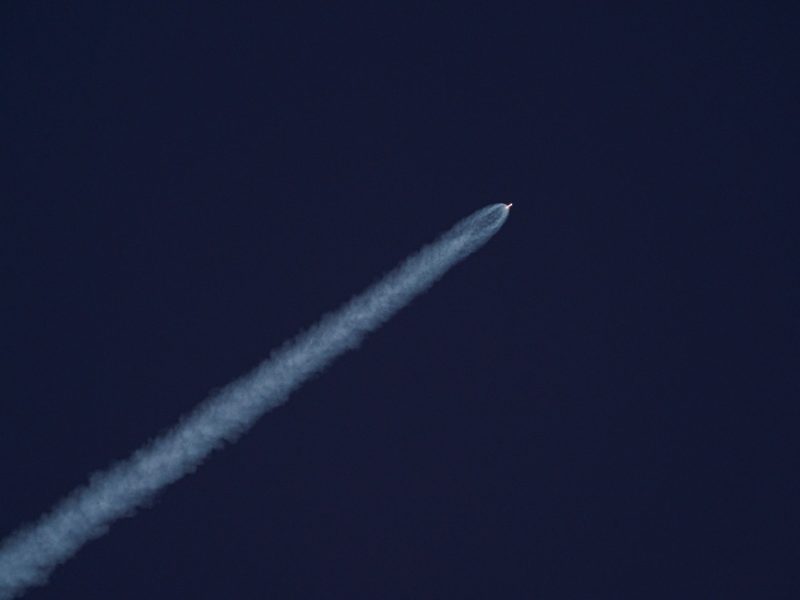
Chennai-based spacetech startup Agnikul Cosmos has appointed former ISRO chairman Dr S Somanath as an observer on its board ahead of Mission 02, a flight that aims to achieve India’s first recovery of an orbital-class rocket booster. The appointment brings one of India’s most experienced spaceflight leaders directly into Agnikul’s governance as the startup pushes toward reusable launch technology.
Mission 02 has two stated objectives: recovering an orbital-class rocket booster for the first time from an Indian launch vehicle, and demonstrating an upper stage that remains operational in orbit instead of being discarded after deploying a satellite. Dr Somanath, who led the Indian Space Research Organisation through missions including Chandrayaan-3 and Aditya-L1, joins the Bengaluru-founded, Chennai-based company as it prepares for this technically demanding flight.
Why Is Agnikul Cosmos Building Reusable Rockets?
Agnikul Cosmos was founded to build small-satellite launch vehicles and has already flown Agnibaan SOrTeD, a sub-orbital demonstration flight, using a single-piece 3D-printed engine. With Mission 02, the company is targeting reusability to cut the cost per launch and raise flight frequency, a shift the global launch industry has already made through companies such as SpaceX. Successfully recovering an orbital-class booster and keeping an upper stage operational in orbit would place Agnikul among a small group of companies worldwide attempting this level of reuse. India’s private space sector, opened to commercial players since 2020, now counts more than 200 spacetech startups, and a working reusable launch capability would mark a significant technical milestone for the sector as a whole.
What Does S Somanath’s Appointment Mean for Indian Spacetech?
Dr Somanath’s move from ISRO chairman to an observer role at a private spacetech startup signals deepening ties between India’s government space establishment and its commercial space sector. For Agnikul, his experience in launch vehicle design, propulsion and mission assurance is expected to strengthen technical oversight as Mission 02 approaches. For the wider industry, the appointment reinforces a trend of senior ISRO veterans moving into advisory or board roles at private space companies as India’s commercial launch ecosystem matures under the IN-SPACe regulatory framework, which was set up to enable private participation in space activities.
Industry Reaction and Expert Commentary
Agnikul Cosmos said Dr Somanath’s appointment strengthens its board as the company approaches a technically ambitious mission. Spacetech industry watchers note that orbital-class booster reuse remains rare outside a handful of global players, and a successful Mission 02 would position Agnikul as a technology leader among Indian private launch companies, alongside peers such as Skyroot Aerospace, in the broader race to scale commercial satellite launch capacity out of India.
What Happens Next?
Agnikul has not yet announced a firm launch date for Mission 02, but the company has said preparations are underway following the earlier Agnibaan SOrTeD test flight. Industry watchers will be tracking booster recovery test data, upper-stage operational milestones once the mission flies, and any follow-on funding, government contracts or satellite customer deals tied to the mission’s outcome.
Frequently Asked Questions
What is Agnikul Cosmos’s Mission 02?
Mission 02 is Agnikul Cosmos’s upcoming flight that aims to achieve India’s first recovery of an orbital-class rocket booster while also keeping the upper stage operational in orbit after satellite deployment.
Who is S Somanath and what is his role at Agnikul?
Dr S Somanath is the former chairman of ISRO, who oversaw missions including Chandrayaan-3. He has joined Agnikul Cosmos’s board as an observer ahead of Mission 02.
Why does rocket booster recovery matter for India’s space industry?
Recovering and reusing rocket boosters lowers the cost per launch and increases flight frequency, a capability that has reshaped the global launch market and would be a first for an Indian private space company.











Leave a comment