

Iran struck Bahrain, Qatar, Oman, Jordan, and Syria on July 17, 2026, in retaliation for a sixth consecutive night of US strikes on Iranian territory, marking a significant widening of the conflict beyond direct US-Iran exchanges. The Iran Gulf nations strikes involved missiles and drones launched at multiple countries simultaneously, forcing air raid alerts across the region and drawing in US regional bases as additional targets.
Air raid sirens sounded across Bahrain on Friday morning, with the Ministry of Interior urging residents to remain calm. Qatar’s Ministry of Defence confirmed its air defences intercepted incoming Iranian projectiles, including at least one missile, though falling shrapnel from the interceptions over Doha injured one child. Jordan’s army said it shot down three Iranian missiles with no casualties, while Iran’s IRGC claimed to have destroyed a US air control radar in Oman and attacked a US special operations base at al-Tanf in Syria.
How Does the Widening Conflict Threaten Regional Trade and Energy Supply?
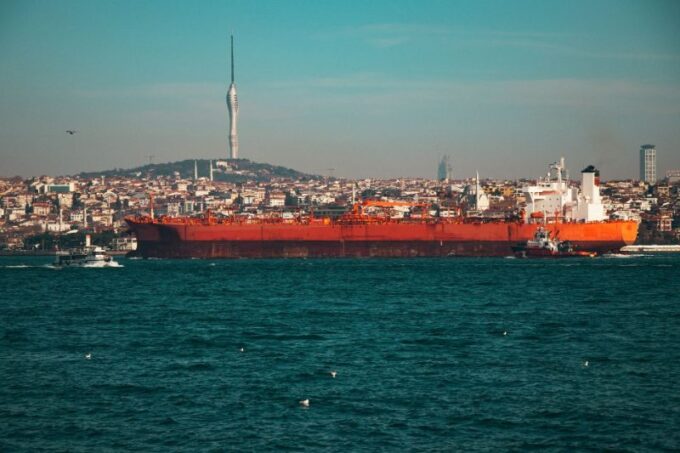
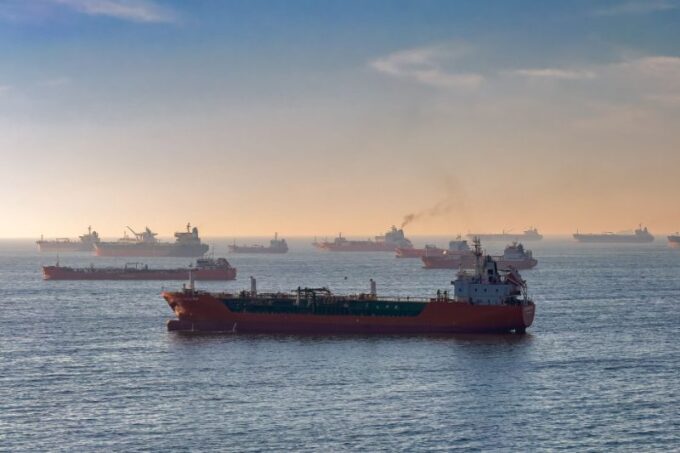
With Iran simultaneously targeting five countries across the Gulf and Levant, shipping lanes, energy infrastructure, and US military logistics across the region face compounding risk, extending well beyond the already-disrupted Strait of Hormuz. The IRGC’s claim of destroying a maritime control radar in the Strait of Hormuz waters dividing Iran and Oman signals continued pressure on the world’s most critical oil transit corridor, a key concern for India and other major crude-importing economies.
What Do Regional and Security Analysts Say?
Analysts tracking the conflict describe the multi-country retaliation as evidence that Iran is deliberately broadening the theatre of conflict to raise costs for US regional allies hosting American forces, rather than limiting responses to direct US targets. The pattern, striking Bahrain, Qatar, Oman, Jordan, and Syria within a single day, suggests Tehran is signalling capability to sustain a multi-front campaign even as diplomatic channels under the collapsed Islamabad Memorandum remain largely dormant.
Market and Trade Reaction
Oil markets have reacted to the broadening conflict with renewed price pressure, compounding the volatility already seen after the Strait of Hormuz disruption earlier in the week. Gulf sovereign markets and regional currencies have shown heightened risk premiums, while India’s rupee and oil-import costs remain exposed to any further escalation given the country’s heavy reliance on Gulf-origin and Hormuz-transiting crude supply.
What Happens Next?
Governments across Bahrain, Qatar, Oman, and Jordan are expected to reinforce air-defence postures as the conflict shows no sign of near-term de-escalation, with the US continuing its own strikes on Iranian targets for a sixth straight night. Energy markets and Indian policymakers will watch closely for any further attempt by Iran to restrict Strait of Hormuz transit, given the direct impact on India’s crude oil import costs and inflation outlook.
Frequently Asked Questions
Which countries did Iran strike on July 17, 2026?
Iran struck Bahrain, Qatar, Oman, Jordan, and Syria on July 17, 2026, in retaliation for continued US strikes on Iranian territory.
Was anyone hurt in the Iranian strikes on the Gulf states?
Qatar reported one child injured by falling shrapnel during aerial interceptions over Doha, while Jordan reported no casualties after intercepting three Iranian missiles.
Why does this escalation matter for global oil markets?
Iran’s continued pressure on the Strait of Hormuz, combined with strikes across five Gulf and Levant nations, threatens a key global oil transit corridor, raising prices and risk premiums that directly affect major crude importers like India.










Leave a comment