

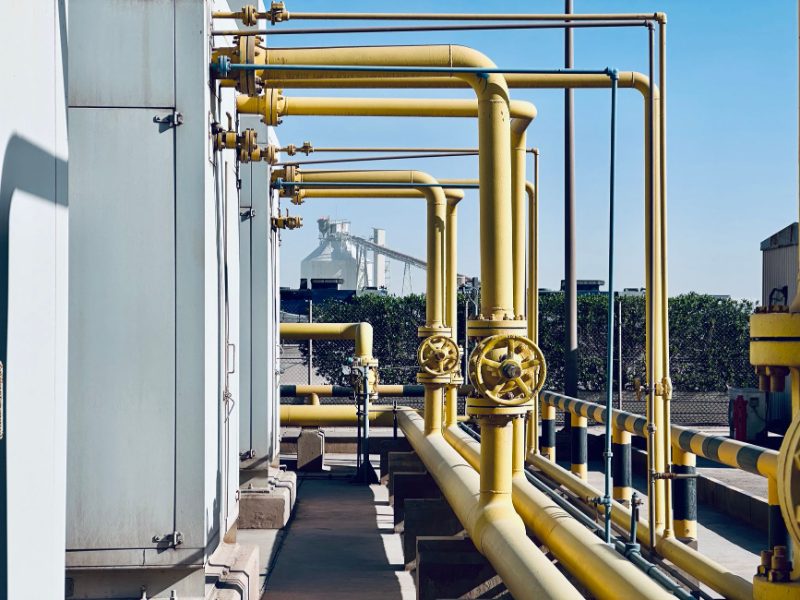
Iraq and Syria signed a memorandum of understanding in Washington on July 19, 2026, to rehabilitate and reconstruct the Iraq-Syria crude oil pipeline, aiming to restore a key export route linking Iraqi oil fields to Syria’s Mediterranean coast. The agreement comes as global shippers seek alternatives to the increasingly contested Strait of Hormuz.
The pipeline, long dormant due to decades of conflict and sanctions, would give Iraq an overland export corridor that bypasses the Gulf entirely, reducing its exposure to disruptions in the Strait of Hormuz and the broader Persian Gulf shipping lanes. The MOU was signed with US involvement, reflecting Washington’s interest in diversifying global crude export routes away from chokepoints vulnerable to the ongoing Iran conflict.
Why Does the Iraq-Syria Pipeline Matter Now?
With Hormuz transit volumes down more than 50 percent amid the Iran conflict and Brent crude trading near one-month highs, an overland pipeline route to the Mediterranean offers Iraq, OPEC’s second-largest producer, a way to keep crude flowing to European and Mediterranean markets without relying on Gulf shipping lanes. Restoring the pipeline would also give Syria transit fee revenue as it rebuilds its post-conflict economy.
What Do Regional Analysts Say About the Deal?
Energy analysts have described the MOU as a strategically timed move that reduces the Gulf’s outsized role in global crude logistics, though they caution that full pipeline rehabilitation will require significant capital investment and years of construction given the infrastructure’s age and war damage. The involvement of Washington signals broader US interest in stabilising regional energy infrastructure amid the wider conflict.
Market and Trade Reaction
Oil markets showed limited immediate price reaction to the MOU signing, given that pipeline rehabilitation is a multi-year undertaking rather than an immediate supply fix. However, energy traders noted the announcement as a signal that regional players are actively planning for a prolonged period of Hormuz-related disruption rather than expecting a quick resolution.
What Happens Next?
Technical and financing details of the pipeline rehabilitation are expected to be worked out in follow-up talks between Iraqi, Syrian and US officials. Construction timelines have not yet been disclosed, and the project will likely require international financing given the scale of infrastructure investment needed.
Frequently Asked Questions
What did Iraq and Syria agree to on July 19, 2026?
The two countries signed a memorandum of understanding in Washington to rehabilitate and reconstruct the Iraq-Syria crude oil pipeline, restoring an export route to Syria’s Mediterranean coast.
Why is the pipeline important amid the Strait of Hormuz crisis?
It would let Iraqi crude reach Mediterranean markets overland, bypassing the Strait of Hormuz, where shipping transits have fallen more than 50 percent due to the ongoing Iran conflict.
Is the pipeline expected to be operational soon?
No, analysts say rehabilitation will take significant time and investment given decades of damage and dormancy, and financing and construction timelines have not yet been disclosed.












Leave a comment