

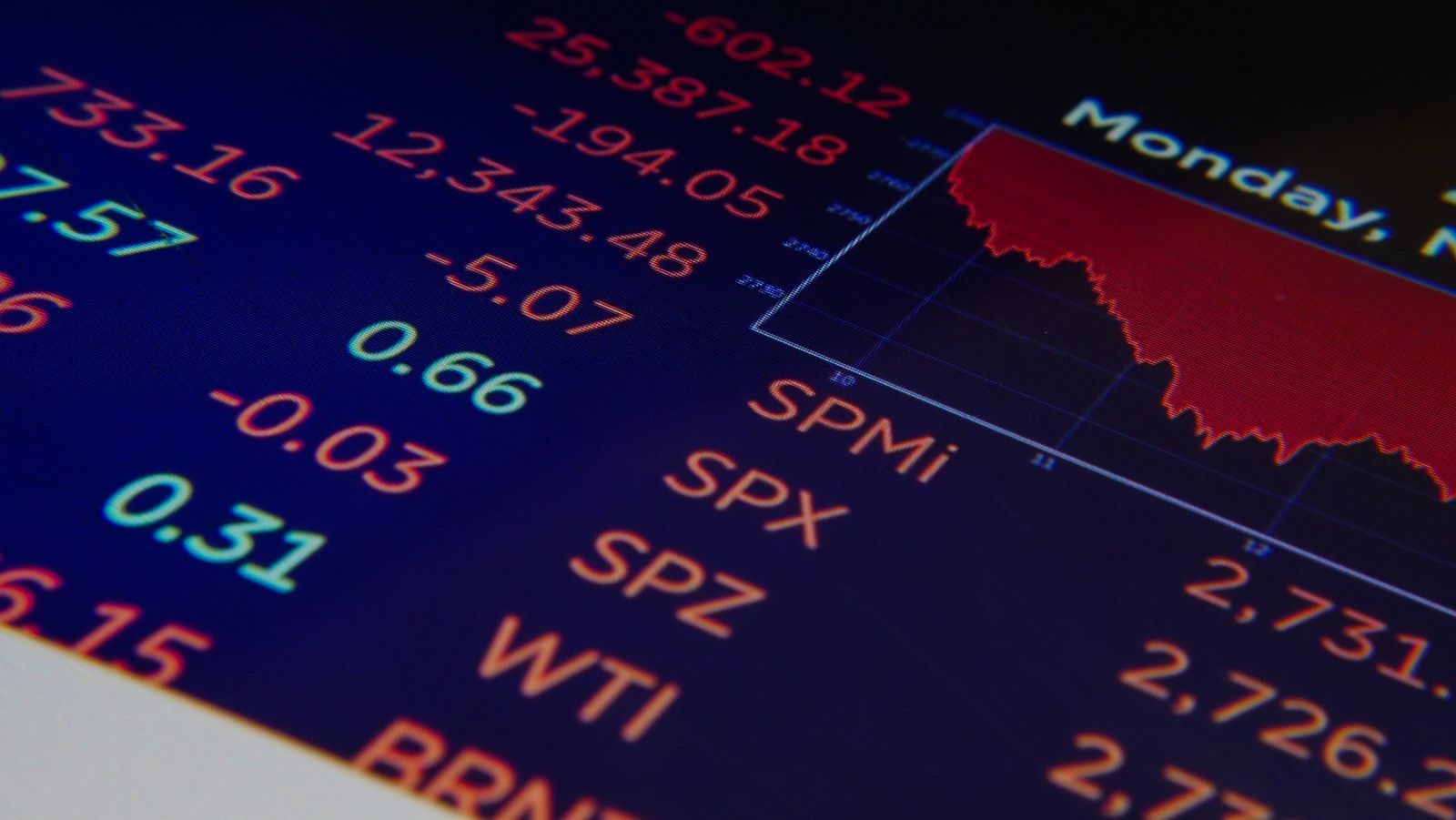
Asian shares were heading for their worst week since March 2020 on Friday, 20 November 2026, as a global sell-off in artificial intelligence-linked stocks deepened, Reuters reported. In a version of the report carried by The Star at 11:22 AM Malaysia time, MSCI’s broadest index of Asia-Pacific shares outside Japan was down 3.2 per cent on the day, its biggest one-day drop in over a month, and down 8.3 per cent for the week. These are intraday figures from Friday’s Asian session and not closing levels.
Japan’s Nikkei fell 4.1 per cent and was headed for a 6.8 per cent weekly loss. South Korea’s KOSPI fell 4.4 per cent and was set to end the week 7.1 per cent lower. Taiwan shares fell 5 per cent on Friday and 16 per cent for the week, their biggest weekly decline since 1991, according to the report.
Why are Asian shares falling?
The trigger was a continued retreat from the AI trade. The S&P 500 and the Nasdaq Composite each lost more than 2 per cent in the previous US session. Anthropic, described by Reuters as the world’s first publicly traded frontier AI company, surged in a record market debut, but the rally did not lift other stocks, and Nvidia’s strong earnings earlier in the week did not reset sentiment.
Reuters said the AI trade was already weighed down by Jensen Huang’s departure from Nvidia, growing opposition to data centres after the Democrats’ sweep of the US midterm elections, and concern about rising debt in the sector. A report from a media outlet associated with short-seller Hunterbrook Capital also raised concerns about AMD’s ties to Chinese entities.
“Anthropic’s blockbuster IPO proved not enough to assuage the overall concern about the outlook for the AI trade,” said Kyle Rodda, senior financial market analyst at Capital.com, in an earlier version of the Reuters report.
What are the rate and currency signals?
Expectations of a more hawkish US Federal Reserve added to the pressure. CME FedWatch data showed fed funds futures essentially pricing in a quarter-point rate hike next month. The dollar index was steady at 103.86, after hitting its highest level since April 2025 earlier in the week, and was on track for a fourth straight weekly gain. The 10-year US Treasury yield held at 5.02 per cent, near a one-week low.
Market and Trade Reaction
“Risk aversion intensified as investors continued to unwind crowded positioning,” said Preston Pagli, markets analyst at Citi. Goldman Sachs analysts said in a trading note that “no one headline drove the roll” and that poor liquidity was exaggerating price moves.
In commodities, Brent crude rose 0.4 per cent to USD 92.37 a barrel at the time of the report but was on track for a third weekly decline, with tanker disruptions in the Strait of Hormuz offsetting rising US crude inventories and forecasts of a global surplus. Spot gold fell 2.5 per cent to USD 3,533.40 an ounce and was headed for a 9 per cent weekly loss.
Indian equities moved the other way. The BSE Sensex closed 897.96 points higher at 83,919.71 and the Nifty 50 ended at 25,800.60 on Friday, both at nine-month highs, The Week reported.
What Happens Next?
US stock futures pointed lower during Asian trading, with S&P 500 futures down 0.2 per cent and Nasdaq futures down 0.6 per cent. Markets are positioned for a Federal Reserve rate hike next month, according to the CME FedWatch data cited by Reuters. Final weekly closing figures for Asian indices were not available in the reports reviewed.
Frequently Asked Questions
How much did Asian shares fall this week?
MSCI’s Asia-Pacific ex-Japan index was down 8.3 per cent for the week during Friday’s session, its worst week since March 2020, according to Reuters.
Which Asian market fell the most?
Taiwan shares fell 5 per cent on Friday and 16 per cent for the week, their biggest weekly decline since 1991.
Did Indian markets fall too?
No. The Sensex and Nifty closed about 1.1 per cent higher on Friday at nine-month highs, according to The Week.
Source: Reuters report carried by The Star, 20 November 2026, and by Yahoo Finance, 20 November 2026; The Week, 20 November 2026.












Leave a comment