

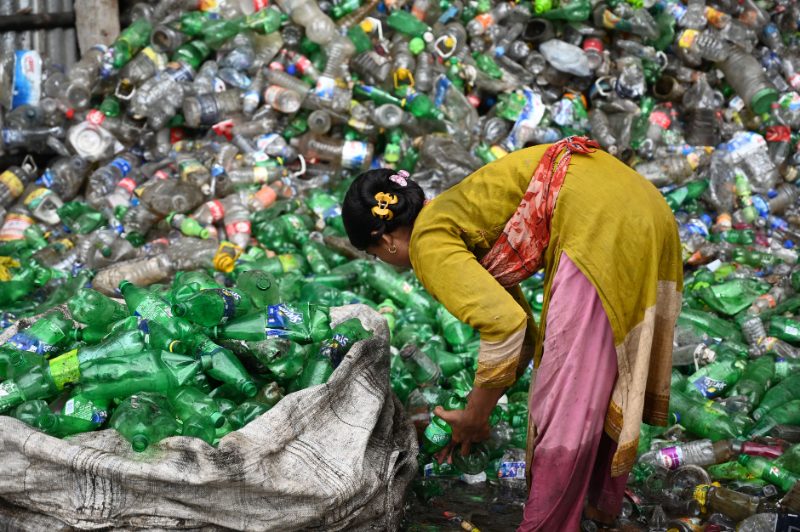
India has notified the Plastic Waste Management (Amendment) Rules, 2026, which for the first time mandate a minimum percentage of recycled plastic content in new packaging and introduce a centralised, QR-code-based digital tracking system. The move is aimed at accelerating India’s shift to a circular economy for plastics and packaging.
The Ministry of Environment, Forest and Climate Change issued the amendment as an update to the existing Plastic Waste Management Rules, extending obligations on manufacturers, brand owners, and importers who use plastic packaging. Companies will now need to prove a minimum share of recycled content in their packaging and log production and recycling data through a digital, QR-code-enabled tracking mechanism.
What Do the Plastic Waste Management Amendment Rules 2026 Require?
The amended rules require brand owners and packaging manufacturers to incorporate a specified minimum percentage of recycled plastic in new packaging, verified through a centralised digital system. QR codes attached to packaging and reporting filings will allow regulators to trace material flows from producers through to recyclers, closing a long-standing transparency gap in India’s Extended Producer Responsibility (EPR) framework for plastics.
What Does This Mean for India’s Plastics Industry?
For plastics processors and packaging converters, the rules raise compliance costs in the short term but create a structural push toward recycled-resin demand, potentially benefiting recyclers and converters who have already invested in mechanical and chemical recycling capacity. Industry bodies such as the All India Plastics Manufacturers’ Association have been engaging with regulators on implementation timelines, since smaller processors may need to retool sourcing to meet recycled-content thresholds.
Market Reaction and Industry Response
The plastics and packaging sector has broadly welcomed the direction of the rules while flagging execution concerns, including the availability of consistent, food-grade recycled resin at scale. The announcement follows closely on the heels of the 3rd Global Conclave on Plastics Recycling and Sustainability held at Bharat Mandapam in New Delhi, where manufacturers, recyclers, and policymakers discussed circularity roadmaps, and comes as global buyers increasingly demand recycled polymers that meet consistent technical and environmental standards.
What Happens Next?
The government is expected to issue detailed implementation guidelines specifying recycled-content thresholds by packaging category and a phased compliance timeline. Companies will need to upgrade traceability systems and, in many cases, sign offtake agreements with recyclers to secure a stable supply of compliant recycled material. Enforcement and QR-code adoption in the first year will be a key indicator of how smoothly the transition proceeds.
Frequently Asked Questions
What is new in the Plastic Waste Management Amendment Rules 2026?
The 2026 amendment mandates a minimum percentage of recycled content in new plastic packaging and introduces a centralised, QR-code-based digital tracking system to monitor compliance across the plastics value chain.
Who is affected by the recycled content mandate?
Plastic packaging manufacturers, brand owners, and importers that use plastic packaging in India are directly affected, as they must source and document a minimum share of recycled plastic in their packaging.
How will the new rules impact plastic prices?
Compliance costs may rise in the near term as companies source certified recycled resin, but the rules are expected to boost long-term demand and investment in India’s plastics recycling infrastructure.










Leave a comment