

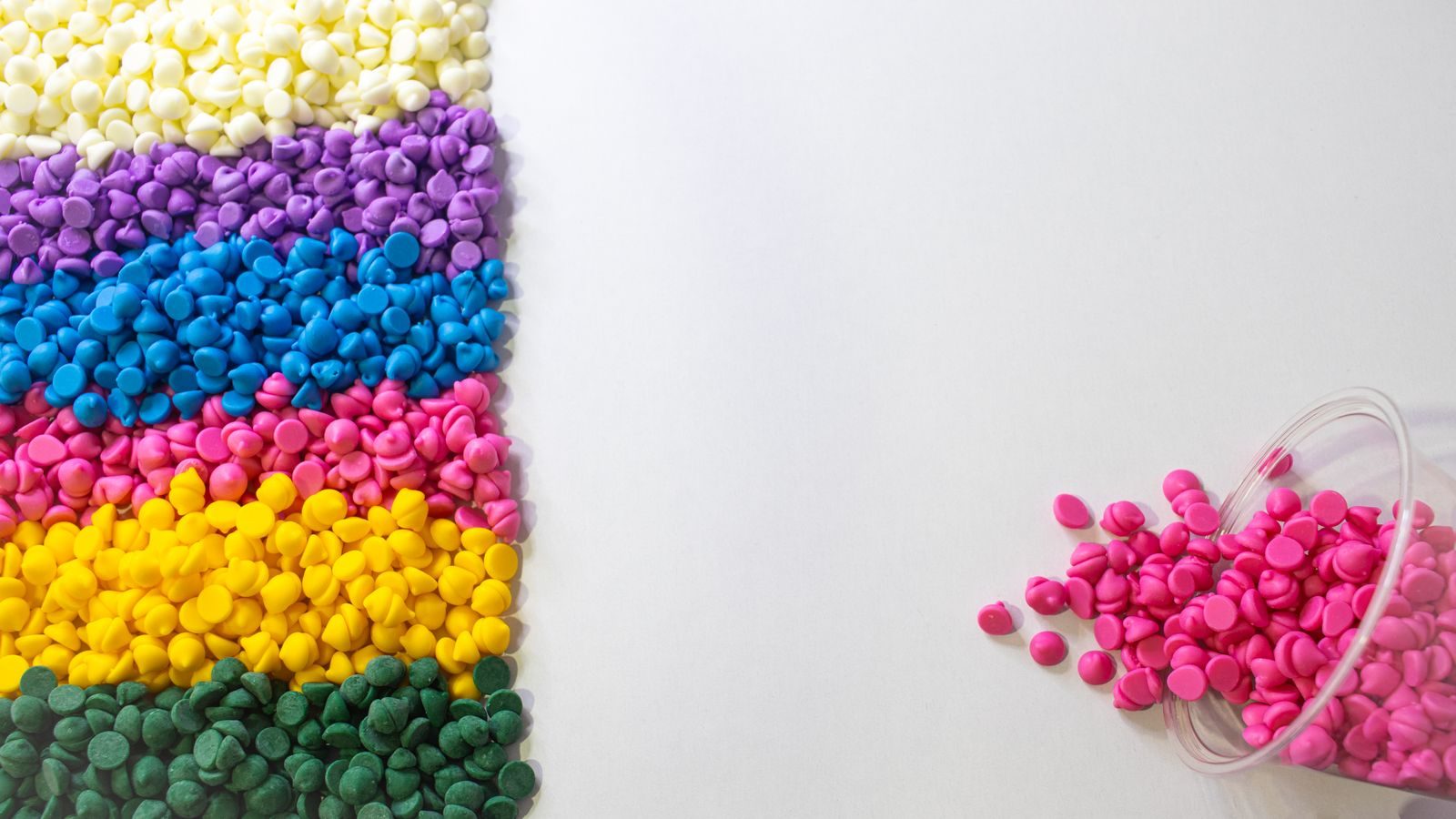
The Borouge HMS PP plant in Burghausen, Germany was officially opened on 17 November 2026, Borouge International has announced. The Borouge HMS PP plant, which makes High Melt Strength polypropylene for recyclable foams, follows an investment of more than €100 million that is intended to triple the site’s production capability for the material.
The opening was attended by Roger Kearns, Chief Executive Officer, and Dr Hasan Karam, Chief Operating Officer, both members of Borouge International’s Executive Board, along with Florian Schneider, Mayor of Burghausen, and Ingrid Heckner, Deputy District Administrator of the District of Altötting, according to Hydrocarbon Processing, which reported the opening on 18 November 2026. The company says the plant will secure a reliable supply of PP foam products for customers in Europe.
What does the Borouge HMS PP plant produce?
The facility produces Daploy HMS PP, a grade developed with proprietary technology at Borouge International’s Innovation Center in Linz, Austria. According to the company, the material combines foamability, low weight and mechanical strength, which lets manufacturers use less material and cut the weight of finished parts.
Three application areas are cited. In consumer products, the material is used for reusable coffee cups and food packaging, and the company says it can help packaging producers meet the requirements of the EU Packaging and Packaging Waste Regulation. In automotive, it is used for lightweight foamed interior and under-the-hood parts as a mono-material solution that supports recycling at the end of a vehicle’s life. In building and construction, it replaces heavier materials in insulation and panelling systems.
Why polypropylene foam capacity matters for plastics processors
The investment of more than €100 million targets a specific gap: polypropylene foam that can be recycled in existing PP streams. Mr Kearns said the opening shows the company’s confidence in Europe as a key market for advanced polyolefin solutions, and that tripling HMS PP capacity strengthens supply reliability for customers. Dr Karam said the plant strengthens security of supply for specialty polypropylene used in high-performance foams across Europe.
The project is part of the group’s wider growth plan, which targets 13.8 million tonnes a year of polyolefins capacity by 2030. The announcement does not give the plant’s capacity in tonnes, only that HMS PP capability at the site triples.
Market Reaction and Industry Response
Local officials welcomed the project. Mayor Florian Schneider said the plant is a sign of strength for Burghausen as an industrial location and for the Bavarian Chemical Triangle, and that such investments are important in difficult economic times. No market reaction or trade-body comment was found in the report reviewed, and the announcement does not mention any supply to India or other Asian markets.
What Happens Next?
The company has confirmed a successful start-up, with Dr Karam citing safety and disciplined execution. The announcement does not state when full commercial volumes will be reached, how many jobs the plant creates, or what share of the 2030 capacity target comes from Burghausen. Packaging converters will watch how quickly PP foam grades are adopted as EU packaging rules take effect.
Frequently Asked Questions
Where is the Borouge HMS PP plant?
It is in Burghausen, Bavaria, Germany. Borouge International officially opened the High Melt Strength polypropylene facility on 17 November 2026.
How much did Borouge International invest?
More than €100 million. The investment is intended to triple the site’s production capability for HMS PP.
What is HMS PP used for?
High Melt Strength polypropylene is used to make recyclable foams for food packaging and reusable cups, lightweight automotive parts, and insulation and panelling in construction.
Source: Hydrocarbon Processing, 18 November 2026.







Leave a comment