

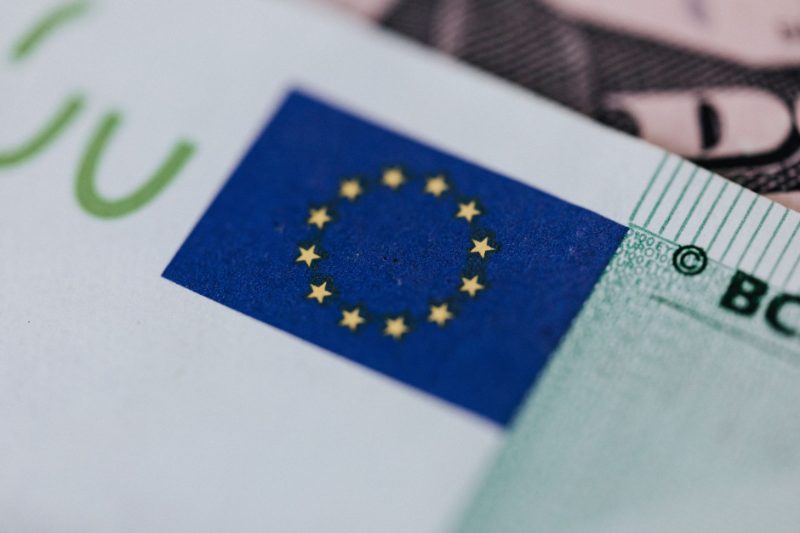
The India-EU Free Trade Agreement is on track to become operational in early 2027, with Commerce and Industry Minister Piyush Goyal confirming that legal scrubbing of the concluded text is nearing completion. The agreement, signed on January 27, 2026, after nearly two decades of on-and-off negotiations, is the largest trade deal either side has concluded.
Goyal said the legal review should wrap up within a week or two of his mid-July remarks, after which the pact will need ratification processes on both sides before entry into force, expected a few months after the India-UK Free Trade Agreement, which became operational on July 15, 2026. Under the India-EU FTA, India has secured market access for more than 99% of its exports by value to the EU, with tariffs of up to 10% eliminated on nearly $33 billion of labour-intensive exports.
How Will the India-EU FTA Benefit Indian Exporters?
Official estimates suggest exports worth $75.85 billion are positioned for accelerated growth once the agreement takes effect, spanning textiles, leather, engineering goods, and gems and jewellery, sectors that currently face EU tariffs of up to 10%. Elimination of these duties is expected to make Indian goods more price-competitive against exporters from Bangladesh and Vietnam, which already enjoy preferential access to the EU under separate arrangements.
What Do Industry Bodies and EU Officials Say?
The agreement has received broad political backing across all 27 EU member states, with officials on both sides describing it as commercially significant given the scale of market access secured. Indian exporter associations have welcomed the near-total tariff elimination on labour-intensive sectors, calling it a chance to diversify export markets at a time when the US has raised tariffs on a range of Indian goods.
Market and Trade Reaction
Export-oriented sectors, particularly textiles and leather, are being watched closely by analysts for early positioning ahead of the FTA’s entry into force, since companies that scale up EU-facing capacity early could capture disproportionate market share once tariffs fall. The EU has separately begun implementing its own trade deal with the US since July 1, 2026, adding complexity to how EU import demand for Indian goods may evolve over the coming year.
What Happens Next?
Once legal scrubbing concludes, the text moves to ratification, requiring approval processes in the EU Parliament and Council alongside India’s Cabinet clearance. Goyal has indicated the pact should become operational a few months after the India-UK FTA’s July 15 start date, putting a realistic entry-into-force window in early 2027, though the exact date will depend on ratification timelines in Brussels.
Frequently Asked Questions
When will the India-EU FTA come into force?
Commerce Minister Piyush Goyal has indicated the agreement should become operational in early 2027, following completion of legal scrubbing and ratification on both sides.
What market access has India secured under the FTA?
India has secured tariff-free or preferential access for more than 99% of its exports by value to the EU, including near-total tariff elimination on around $33 billion of labour-intensive exports.
How does the India-EU FTA compare to the India-UK FTA?
The India-UK FTA became operational on July 15, 2026, and is expected to precede the India-EU FTA by a few months, with both pacts aimed at diversifying India’s export markets.













Leave a comment