

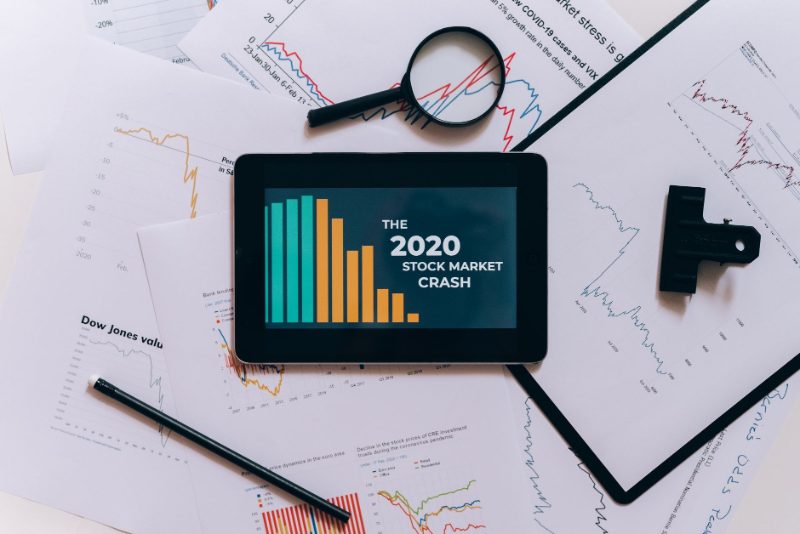
The Sensex tumbled 720.51 points, or 0.93%, to close at 76,749.60, while the Nifty 50 slipped 191.45 points to end at 23,996.25, as surging crude oil prices, a weaker rupee and fresh US tariff measures rattled Indian equity markets. The sell-off came as investors weighed the combined impact of rising oil import costs and new duties affecting Indian exports to the United States.
Crude oil prices climbed on escalating Middle East tensions, directly pressuring India, which imports over 80% of its crude requirement, through a higher import bill and renewed pressure on the rupee. The market decline coincided with confirmation that generic drugs imported into the US will continue at zero tariff for two years from August 1, 2026, after which duties rise sharply to 100% for one year and 200% thereafter, a structure that unsettled pharmaceutical stocks.
How Are Different Sectors Reacting to the Tariff and Oil Shock?
Nifty Pharma dropped 1.31% on concerns over the steep future tariff escalation on generic drug exports, while Nifty IT fell 1.56% amid broader risk-off sentiment tied to US trade policy uncertainty. Nifty PSU Bank declined 1.89% and Nifty Metal slipped 0.57%, while Nifty Auto and Nifty FMCG bucked the trend, gaining 0.20% and 0.74% respectively as investors rotated into domestic-demand-driven sectors seen as more insulated from trade and oil shocks.
What Do Market Analysts Say About the Sell-Off?
Analysts attributed the decline to a combination of external shocks rather than a single trigger, noting that rising crude prices amplify India’s twin deficit concerns, current account and fiscal, at a time when new US tariffs are already pressuring export-oriented sectors. Market strategists said the two-year tariff holiday on generic drugs, followed by a steep escalation, gives pharmaceutical exporters a limited window to diversify markets or renegotiate supply contracts before costs rise sharply.
Market and Trade Reaction
The rupee weakened alongside the equity sell-off as importers stepped up dollar demand to cover costlier crude purchases. Foreign portfolio investors trimmed exposure to rate-sensitive and export-linked sectors, while domestic institutional buying provided some cushion against a sharper fall in benchmark indices.
What Happens Next?
Investors are watching for further clarity on US tariff implementation across sectors and any de-escalation in Middle East tensions that could ease crude prices. The RBI’s next Monetary Policy Committee meeting, scheduled for August 3-5, 2026, will be closely watched for its response to the twin pressures of a weaker rupee and elevated oil-driven inflation risk.
Frequently Asked Questions
Why did Sensex and Nifty fall today?
Indian markets fell on a combination of surging crude oil prices, a weaker rupee and fresh US tariff measures affecting Indian exports and generic pharmaceutical shipments.
Which sectors were hit hardest by the sell-off?
Nifty Pharma, Nifty IT, Nifty PSU Bank and Nifty Metal saw the sharpest declines, while Nifty Auto and Nifty FMCG posted gains as investors rotated into domestic-demand sectors.
What is the new US tariff timeline for generic drugs?
Generic drugs imported into the US will remain at zero tariff for two years from August 1, 2026, after which the rate rises to 100% for one year and then 200% thereafter.









Leave a comment