

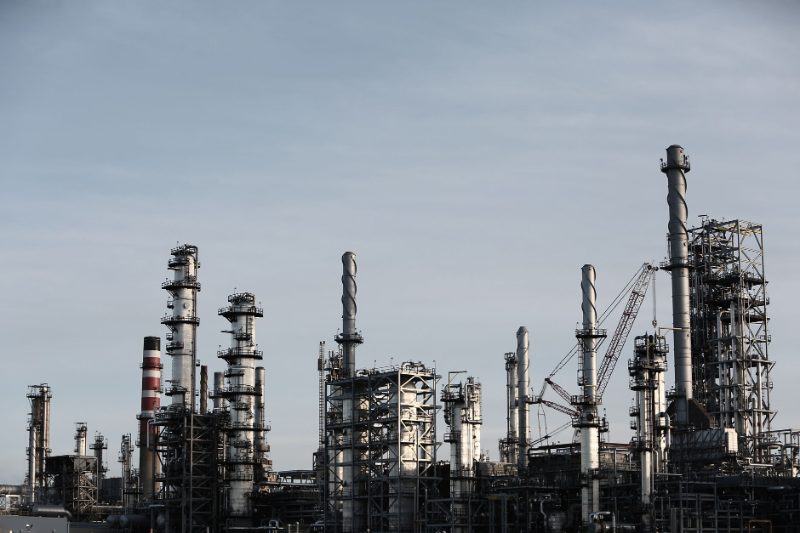
Crude oil prices fell 3% to around $89.3 a barrel after reports that Pakistan, backed by China, was working to revive negotiations between the United States and Iran, offering a rare respite for India, which imports more than 80% of its crude oil needs. Despite the pullback, oil remained roughly 8% higher for the week following a sharp escalation in Middle East hostilities.
The price swings have been driven largely by tensions in the Middle East, including a tanker strike off the Saudi coast and a threat by US President Donald Trump to target Iranian infrastructure over attacks on vessels transiting the Strait of Hormuz. Any sustained de-escalation would be closely watched in New Delhi, given the direct link between crude prices and India’s import bill, current account and inflation trajectory.
How Do Falling Oil Prices Affect India’s Economy?
India’s oil import bill is one of the largest drivers of its current account deficit, meaning a sustained decline in crude prices would ease pressure on the rupee and reduce imported inflation, a key input the Reserve Bank of India tracks ahead of its monetary policy decisions. Lower crude costs would also support margins for Indian oil marketing companies and reduce the fiscal burden of fuel subsidies where applicable.
What Do Analysts Say About the Middle East Diplomatic Push?
Analysts caution that the reported diplomatic effort by Pakistan and China to revive US-Iran talks remains preliminary, and oil markets are likely to stay volatile until a durable de-escalation is confirmed. Energy strategists note that the underlying tensions, including recent tanker incidents and rhetoric around the Strait of Hormuz, mean any relief in prices could reverse quickly if hostilities resume.
Market and Trade Reaction
Global equity markets, including US benchmarks, had fallen alongside the earlier oil price surge, with investors weighing energy cost pressure against corporate earnings from major companies. Indian markets, already contending with new US tariff measures, would benefit from sustained oil price relief, which could offset some of the currency and inflation pressure building from trade-related developments.
What Happens Next?
Markets will watch for confirmation of any formal resumption of US-Iran talks, as well as further developments around the Strait of Hormuz, a critical corridor for global oil shipments. India’s oil marketing companies and the finance ministry are expected to monitor crude price trends closely ahead of the RBI’s early-August monetary policy review.
Frequently Asked Questions
Why did crude oil prices fall recently?
Oil fell around 3% after reports that Pakistan, with Chinese support, was working to revive stalled negotiations between the US and Iran, easing some Middle East tension.
How does the price of crude oil affect India?
India imports more than 80% of its crude oil, so falling prices ease the current account deficit, support the rupee and reduce imported inflation pressure.
Is the oil price decline expected to last?
Analysts say it is uncertain, since the diplomatic push remains preliminary and underlying Middle East tensions, including recent tanker incidents, could reverse the price relief.










Leave a comment