

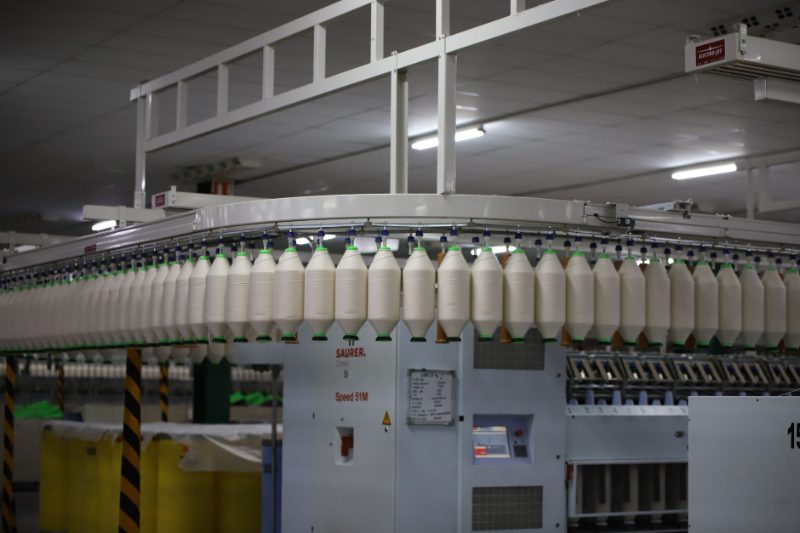
Fineotex Chemical Limited’s Q1 FY27 revenue soared 164% year-on-year to Rs 386.72 crore, one of the sharpest jumps reported by any Indian specialty chemicals maker this earnings season. The Navi Mumbai-based textile and performance chemicals company also posted EBITDA of Rs 59.14 crore, up 135% over the same quarter last year, in results announced on July 24, 2026.
Fineotex Chemical, which makes specialty chemicals for textile processing, home and personal care, water treatment and construction, has been expanding rapidly through both organic capacity additions and acquisitions over the past two years. The company’s total income for the quarter ended June 30, 2026 nearly tripled year-on-year, a pace that stands out sharply against the single-digit to low-double-digit growth reported by most peers in India’s specialty chemicals space this quarter.
What Drove Fineotex Chemical’s 164% Revenue Growth in Q1 FY27?
The jump in Fineotex Chemical’s Q1 FY27 revenue reflects a combination of higher volumes across its textile chemicals portfolio and the consolidation of recent acquisitions into its books. The company has been building out capacity in specialty auxiliaries used by textile processors, a segment that has benefited from the broader recovery in India’s textile and garment exports this year, including tailwinds from new trade agreements opening up export markets.
What Does This Mean for India’s Specialty Chemicals Sector?
Fineotex Chemical’s outsized growth highlights how smaller, niche specialty chemical makers tied to textile processing and consumer-facing end markets are outperforming larger commodity-linked chemical producers this quarter. While bellwethers like SRF and Deepak Nitrite are more exposed to fluorochemicals and industrial demand cycles, companies serving textile finishing, personal care and water treatment are riding steadier, less cyclical demand, a divergence analysts say is becoming a defining feature of India’s “multi-speed” chemicals landscape in FY27.
Market Reaction and Industry Response
Shares of Fineotex Chemical drew renewed investor attention following the July 24 results, with the stock’s steep earnings growth prompting several brokerages and news outlets to flag it among the standout small-cap performers of the June-quarter results season. The company’s consistent EBITDA margin improvement, alongside its historically low-debt balance sheet, has kept it on watchlists of investors seeking exposure to India’s textile-linked chemicals supply chain without direct exposure to yarn or fabric pricing volatility.
What Happens Next for Fineotex Chemical?
Management will look to sustain the current growth trajectory through the rest of FY27 by scaling recently added capacity and deepening its presence in export-oriented textile processing chemicals, a segment expected to benefit further as India’s textile exporters capitalise on duty concessions under new trade agreements. Investors will watch the September quarter to see whether the 164% growth rate moderates to a more sustainable pace or whether acquisition-led consolidation continues to boost the topline.
Frequently Asked Questions
What were Fineotex Chemical’s Q1 FY27 results?
Fineotex Chemical reported total income of Rs 386.72 crore for the quarter ended June 30, 2026, up 164.48% year-on-year, with EBITDA (excluding other income) of Rs 59.14 crore, up 134.69%.
What does Fineotex Chemical manufacture?
Fineotex Chemical makes specialty performance chemicals used in textile processing, home and personal care formulations, water treatment and construction applications, serving both domestic and export customers.
Why is Fineotex Chemical’s growth rate so much higher than larger chemical peers?
Its growth reflects both strong organic volume gains in textile-linked specialty chemicals and the consolidation of recent acquisitions, giving it a much smaller revenue base to grow from compared with larger, commodity-exposed chemical makers.









Leave a comment