

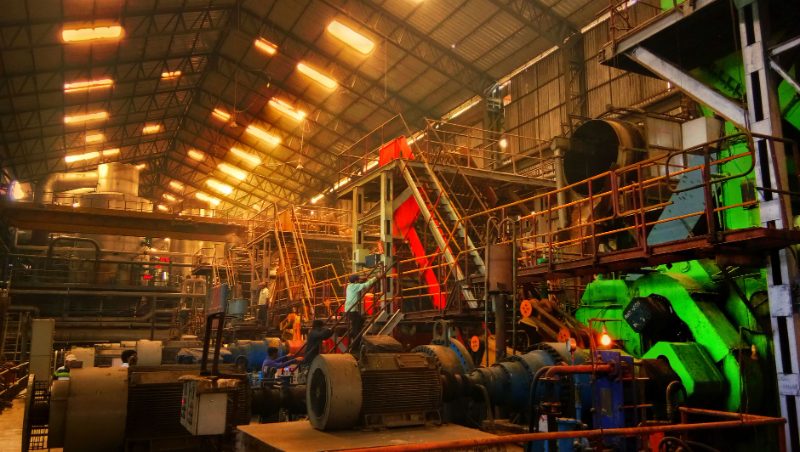
CEAT Limited’s Q1 FY27 results show revenue climbing 22% year-on-year even as net profit crashed 96% to around Rs 98 crore for the quarter ended June 30, 2026, as raw material costs and pricing pressure squeezed margins at the RPG Group tyre maker. Alongside the results, announced on July 16-17, 2026, CEAT’s board approved a fresh Rs 1,205 crore capacity expansion plan.
CEAT, headquartered in Mumbai and one of India’s largest tyre manufacturers, saw its topline benefit from healthy replacement and original-equipment demand across two-wheeler, passenger vehicle and commercial vehicle segments. However, a sharp rise in natural rubber costs, which have climbed on the back of the West Asia conflict’s impact on crude and commodity markets, ate deep into profitability, turning what should have been a strong revenue quarter into one of CEAT’s weakest profit quarters in years.
Why Did CEAT’s Profit Crash 96% Despite 22% Revenue Growth?
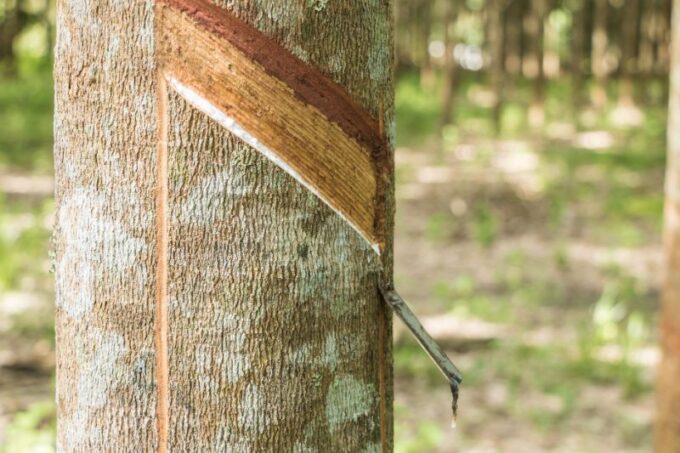
The gap between CEAT’s revenue and profit growth in Q1 FY27 comes down to raw material cost inflation, chiefly natural rubber and crude-linked inputs, which rose faster than CEAT could pass through in prices. Natural rubber prices in the Indian market rose more than 3% during the quarter, compounding pressure from elevated crude oil costs tied to the ongoing Iran-related tensions in the Middle East. CEAT management indicated on its post-results call that the company absorbed much of this cost increase rather than fully passing it to dealers, protecting market share at the expense of near-term margins.
What Does This Mean for India’s Tyre Industry?
CEAT’s results echo a broader pattern flagged by brokerages across the tyre sector this quarter: MRF, JK Tyre and Apollo Tyres are all navigating the same rubber and crude cost pressures. The Automotive Tyre Manufacturers Association (ATMA) has urged the government to accelerate domestic natural rubber production, noting that nearly 40% of India’s tyre industry rubber requirement is still met through imports, leaving margins vulnerable to global supply shocks exactly like the one weighing on CEAT’s Q1 FY27 numbers.
Market Reaction and Industry Response
CEAT shares came under pressure following the results, with investors focused on the scale of the profit decline even though revenue growth beat expectations. Brokerages were split on interpretation: some viewed the Rs 1,205 crore expansion approval as a sign management remains confident in medium-term demand, while others cautioned that near-term margin recovery depends on rubber prices cooling and on CEAT’s ability to push through further price hikes without losing volume to competitors.
What Happens Next for CEAT?
CEAT is expected to implement calibrated price increases through the September quarter to recover margin lost to rubber cost inflation, while proceeding with the newly approved Rs 1,205 crore capacity expansion aimed at strengthening its position in the passenger vehicle and two-wheeler radial segments. Investors will watch whether crude and rubber prices stabilise in the coming months, which would ease the cost pressure that dragged down CEAT’s Q1 FY27 profitability.
Frequently Asked Questions
What were CEAT’s Q1 FY27 results?
CEAT reported revenue up 22% year-on-year for the quarter ended June 30, 2026, while net profit fell around 96% to roughly Rs 98 crore, hit by sharply higher raw material costs.
Why did CEAT’s profit fall so much despite higher revenue?
Rising natural rubber and crude-linked input costs, driven partly by the West Asia conflict’s impact on commodity markets, outpaced CEAT’s price hikes, compressing margins even as sales volumes and revenue grew.
What is CEAT’s new Rs 1,205 crore expansion for?
The board-approved capex is aimed at expanding tyre manufacturing capacity, with a focus on strengthening CEAT’s position in passenger vehicle and two-wheeler radial tyre segments to meet growing domestic demand.







Leave a comment