

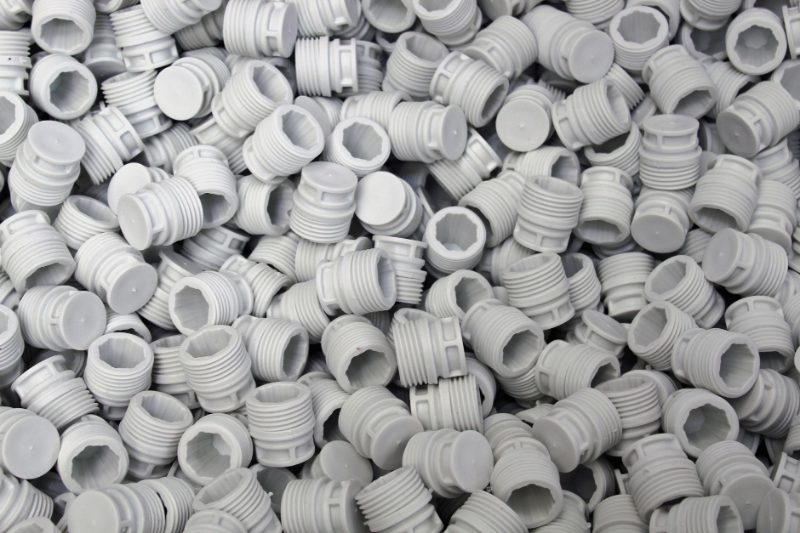
Indian Oil Corporation raised polypropylene (PP) prices in India from July 23, 2026, hiking PP homopolymer rates by Rs 2,500 per tonne and co-polymer grades by Rs 3,500 per tonne, adding fresh cost pressure for the country’s plastics processors. The move came in the same week that Reliance Industries also increased PVC prices by around Rs 2,000 per tonne across all grades, signalling a broader shift in India’s polymer pricing cycle after weeks of softening.
The price revisions affect thousands of small and mid-sized plastics converters that process PP into packaging films, woven sacks, automotive components and consumer goods, and PVC into pipes, fittings and profiles. The increases follow a period through late June and early July 2026 when polymer prices had been gradually easing, with Reliance cutting PE and PP prices twice, on July 9 and July 17, as producers absorbed softer demand from monsoon-related construction slowdowns.
Why Are Indian Oil and Reliance Raising Polymer Prices Now?
The reversal in India’s polymer pricing cycle reflects producers testing whether prices had bottomed out after successive cuts failed to meaningfully lift demand. With PVC resin prices having stabilised across major trading hubs like Gujarat, Maharashtra and Rajasthan after weeks of decline, and PP inventories reportedly tightening at refiner-owned plants, Indian Oil and Reliance appear to be recouping margin lost during the July price-cutting cycle, even as monsoon rains continue to dampen construction-linked demand for pipes and fittings.
What Does This Mean for India’s Plastics Processing Industry?
Small and mid-sized plastics converters, who typically operate on thin margins and limited pricing power against large integrated producers like Indian Oil and Reliance, will need to decide whether to absorb the higher input costs or pass them through to customers in packaging, construction and consumer goods. Pipe and fitting fabricators, already facing seasonally weaker demand as monsoon rains keep project sites waterlogged, are particularly exposed, since they cannot easily raise prices on already-signed supply contracts during the current construction slowdown.
Market Reaction and Industry Response
Industry trackers noted that PVC resin prices, which had been hovering in the Rs 98,000 to Rs 1,10,000 per tonne range, firmed up following the Reliance hike, while PP converters flagged the Indian Oil increase as unwelcome given persistently soft monsoon-season demand. Trade body commentary has focused on whether the increases will stick through August, or whether producers will need to reverse course again if construction activity remains muted through the remainder of the monsoon.
What Happens Next for Polymer Prices in India?
Processors and trade watchers will look to early August for signs of whether Indian Oil and Reliance push through further increases or hold steady, with the answer likely depending on how quickly monsoon rains recede and construction activity resumes. Any sustained recovery in PVC pipe demand once the monsoon eases could support further hikes, while continued softness would likely bring producers back to the discounting seen earlier in July.
Frequently Asked Questions
By how much did Indian Oil raise PP prices in July 2026?
Indian Oil raised PP homopolymer prices by Rs 2,500 per tonne and co-polymer grades by Rs 3,500 per tonne, effective July 23, 2026.
Why did polymer prices rise after weeks of cuts?
Producers appear to be recouping margin lost during a July price-cutting cycle, with PVC prices stabilising after a period of softening and PP inventories reportedly tightening at refiner-owned plants.
How does this affect India’s plastics converters?
Smaller PP and PVC processors, which have limited pricing power against integrated producers, face higher input costs at a time when monsoon rains have already slowed construction-linked demand for pipes and fittings.











Leave a comment