

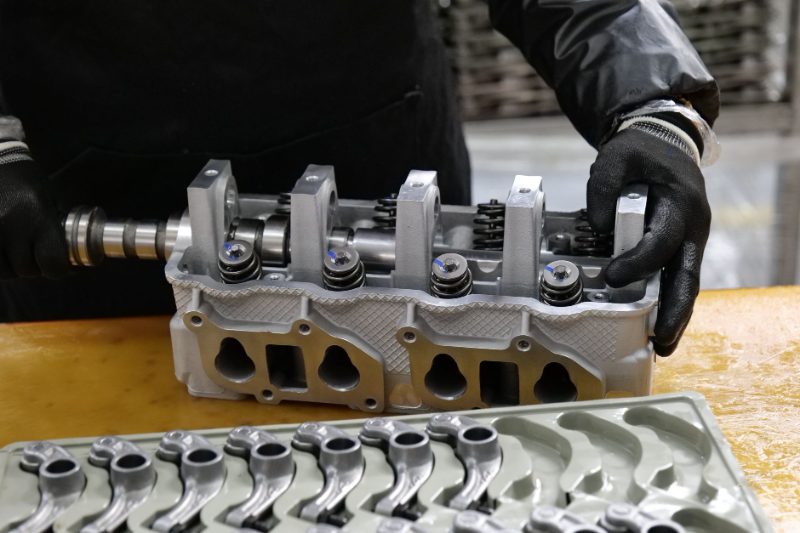
Belgian speciality materials group Syensqo has doubled its polymer compounding capacity in India, a move announced in early September 2026 aimed at meeting fast-growing demand from the country’s automotive, electronics and industrial sectors. The expansion strengthens Syensqo’s local manufacturing footprint at a time when global materials makers are racing to build supply closer to India’s expanding manufacturing base.
Syensqo, which was spun off from Belgian chemicals major Solvay in 2023, compounds specialty polymers used in lightweight automotive components, electrical connectors, consumer electronics housings and industrial parts. The capacity doubling, confirmed by the company on September 3, 2026, positions Syensqo to serve both domestic Indian manufacturers and export-oriented component makers supplying global automotive and electronics supply chains from India. The company has not disclosed the exact investment figure or the specific plant location publicly, but industry trackers place the expansion within Syensqo’s existing western India manufacturing cluster, where several global specialty chemical majors have concentrated compounding operations in recent years.
Why Is Syensqo Expanding Its Compounding Capacity in India?
India’s automotive and electronics manufacturing sectors have grown steadily through 2026, driven by production-linked incentive schemes, rising electric vehicle output, and multinational companies diversifying supply chains away from China. Specialty polymer compounders like Syensqo supply engineering plastics that replace metal in vehicle parts, connectors and housings, reducing weight and cost for manufacturers. Company executives have pointed to India’s growing share of global automotive component exports and rising domestic electronics assembly as key drivers behind the decision to double local compounding capacity rather than continue serving the market primarily through imports. Faster local supply also reduces currency risk and shipping lead times for Indian component makers who previously imported compounded resin from Europe or Southeast Asia.
What Does This Mean for India’s Plastics and Materials Industry?
A doubling of compounding capacity signals growing confidence among global specialty materials producers in India’s manufacturing trajectory, and it gives Indian component makers faster access to advanced engineering polymers without the lead times and currency exposure of imports. For competing domestic and multinational compounders, the move raises the bar on capacity and could accelerate further investment announcements from rivals seeking to protect market share in India’s fast-growing engineering plastics segment, particularly in the automotive lightweighting and electric vehicle component space. Component manufacturers supplying both domestic OEMs and export markets stand to benefit most directly from shorter lead times and localised technical support.
Market Reaction and Industry Response
Materials industry analysts described the expansion as consistent with a broader trend of global specialty chemical and polymer producers localising production in India through 2025 and 2026, rather than serving the market purely through exports. Automotive component manufacturers, who have flagged supply chain resilience as a priority following past disruptions, are likely to welcome a larger domestic supply base for engineering polymers. Industry bodies tracking specialty plastics have noted that capacity additions of this scale typically take 12 to 18 months to fully ramp to utilisation, meaning the full market impact will play out gradually rather than immediately. Competing compounders operating in India, including several joint ventures between global majors and domestic partners, are expected to watch utilisation trends closely before committing to matching investments.
What Happens Next?
Syensqo is expected to ramp up utilisation of the expanded capacity through the remainder of 2026 and into 2027, aligning output with automotive and electronics order books. Industry watchers will be looking for whether the company follows with further India-specific investment, including potential expansion into adjacent specialty polymer categories, and whether competing global compounders announce similar capacity additions in response. The move also comes as India’s PLI-linked auto components and electronics sectors continue to scale, which should support demand visibility for compounders through the next several quarters and into the next fiscal year.
Frequently Asked Questions
What did Syensqo announce about its India operations?
Syensqo confirmed on September 3, 2026 that it has doubled its polymer compounding capacity in India to meet rising demand from the automotive and electronics sectors.
Why does compounding capacity matter for India’s plastics industry?
Compounding capacity determines how much specialty engineering polymer can be produced locally rather than imported, directly affecting lead times, costs and supply security for component manufacturers.
Which industries benefit most from Syensqo’s expanded capacity?
Automotive component makers, electric vehicle suppliers, and electronics manufacturers that use engineering plastics for lightweight parts, connectors and housings are the primary beneficiaries.










Leave a comment